There’s a common misconception that email communication is a safe and straightforward method of exchanging information. However, lurking within everyday email interactions are various hidden risks that could compromise your data, privacy, and even your reputation. This article seeks to shed light on those risks and provide you with actionable strategies to mitigate them effectively.
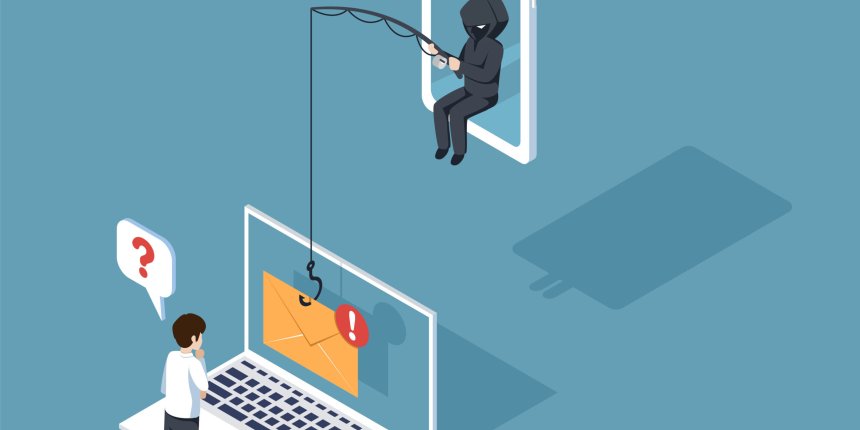
One of the primary risks associated with email communication is phishing. Cybercriminals often design emails that appear to come from trustworthy sources, tricking you into revealing sensitive information or clicking on malicious links. Phishing attacks can lead to identity theft or unauthorized access to your accounts. You can mitigate this risk by scrutinizing the sender’s email address and being cautious of unexpected attachments or links, even if they seem harmless.
Another concern is accidental exposure of sensitive information. You may inadvertently send an email to the wrong recipient, which could contain confidential data, personal details, or proprietary information. To reduce this risk, always double-check the recipient’s email address before hitting send. Additionally, you can use tools that prevent auto-completing addresses from your contact list or implement encryption on sensitive emails to add an extra layer of security.
Insider threats also pose a risk in email communication. Sometimes, data leaks originate from within your organization. Employees may unintentionally share sensitive information through email or fall victim to manipulation. Cultivating an awareness of email security among your peers is vital. Conduct regular training sessions focusing on recognizing suspicious emails and best practices for handling sensitive data.
Email can also be used as a tool for malware distribution. Cybercriminals can embed malware in attachments or links that, when opened, can compromise your system or steal sensitive information. To combat this, ensure your antivirus software is updated and configured to scan all incoming emails. Avoid downloading attachments from unknown senders and educate yourself about the types of files that are more likely to carry malware.

Confidentiality is often overlooked when using email for sensitive communications. Email is inherently insecure, leading to the possibility of messages being intercepted during transmission. To safeguard your conversations, consider using encrypted email services or services that offer end-to-end encryption. This ensures only the intended recipient can read your messages, significantly lowering the chance of unauthorized access.
.png?width=960&name=MicrosoftTeams-image%20(58).png)
Lastly, bear in mind that email can leave a lasting digital footprint. Once you send an email, it can leave traces even if you delete it. This can be particularly concerning when discussing sensitive matters. Before sending emails that contain sensitive information, weigh the risks and consider alternative communication methods, such as secure messaging applications.
In the final consideration, while email remains a major mode of communication in both personal and professional contexts, various risks can have serious implications if not addressed. By adopting cautious behaviors, implementing robust security tools, and fostering a culture of awareness, you can significantly reduce the hidden risks lurking in your everyday email communication.
 Like
0
Like
0
 Dislike
0
Dislike
0
 Love
0
Love
0
 Funny
0
Funny
0
 Angry
0
Angry
0
 Sad
0
Sad
0
 Wow
0
Wow
0