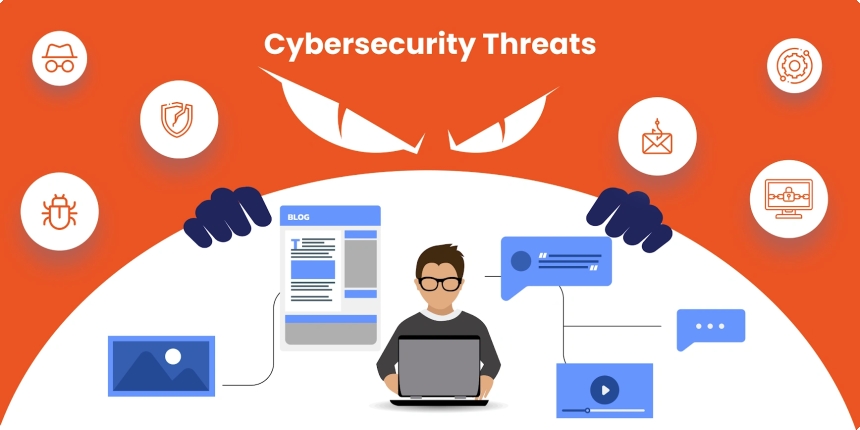

In today’s digital world, cyber attacks have become more common and more dangerous. From stolen personal data to hacked accounts, these threats can affect anyone using the internet. Understanding what cyber attacks are and how they work is the first step in protecting yourself and your information.
A cyberattack is an attempt by hackers or other malicious actors to gain unauthorized access to a computer system, network, or personal data. These attacks are often carried out to steal information, disrupt services, or cause damage.

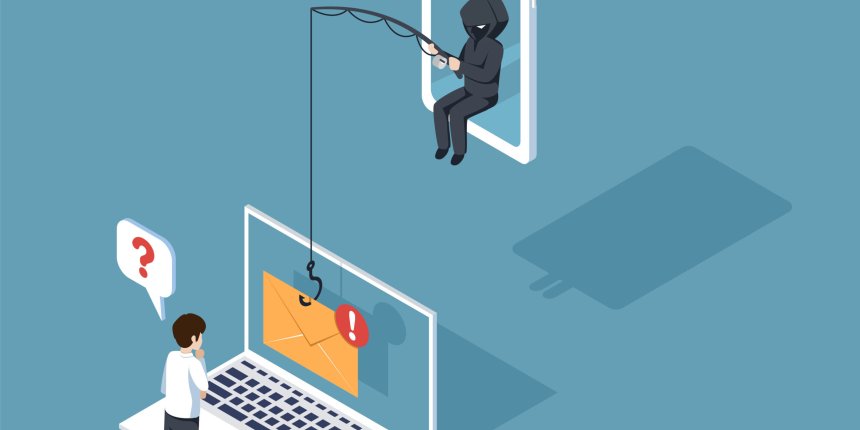
Phishing involves fake emails or messages that trick users into revealing personal information like passwords or credit card details.
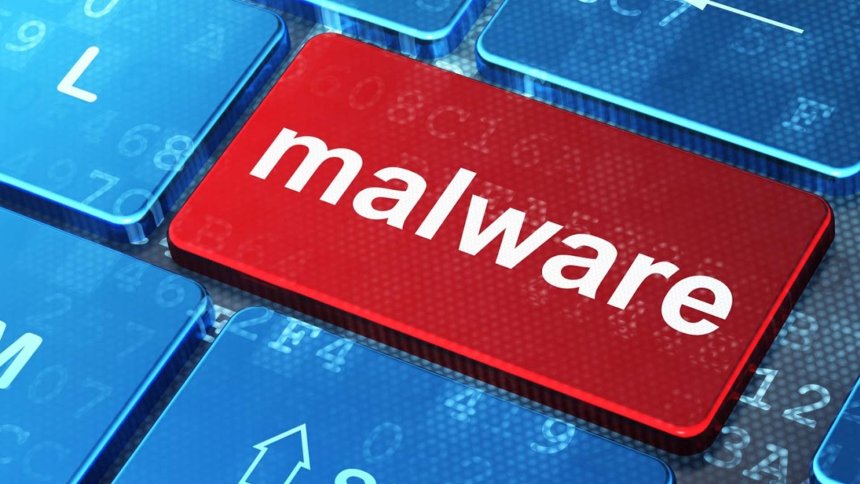
Malicious software is designed to damage or gain access to your system. Examples include viruses, worms, and spyware.
A type of malware that locks your files and demands payment to restore access.
These attacks overload a system or website, causing it to crash or become unavailable.
Hackers intercept communication between two parties to steal data.
Create unique and complex passwords for each account.
Adds an extra layer of security beyond your password.
Install updates regularly to fix security vulnerabilities.
Do not click on unknown emails or messages.
Use trusted security tools to detect and prevent threats.
Cyber attacks can lead to financial loss, identity theft, and data breaches. Protecting your digital life is just as important as protecting your physical assets.
Cyber attacks are a growing threat, but with the right knowledge and habits, you can significantly reduce your risk. Stay informed, practice safe online behavior, and take proactive steps to secure your data and devices.
 Like
0
Like
0
 Dislike
0
Dislike
0
 Love
0
Love
0
 Funny
0
Funny
0
 Angry
0
Angry
0
 Sad
0
Sad
0
 Wow
0
Wow
0