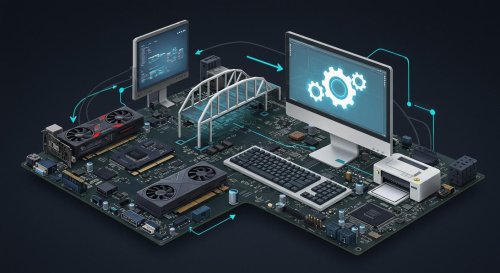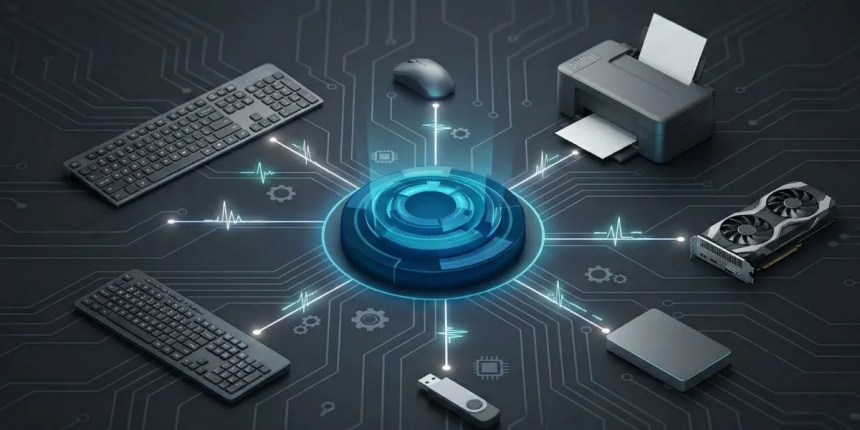
Computers rely on many different hardware components to function properly, including printers, graphics cards, keyboards, speakers, webcams, and network adapters. However, hardware alone is not enough for devices to communicate with your operating system. This is where drivers play an essential role. Device drivers act as translators between hardware components and the computer's operating system, ensuring that everything works together smoothly.
You use many kinds of devices every day, like your computer, your phone, or your car. Device drivers work as translators. They help your operating system talk to each device. This makes sure everything works well. If a device driver works correctly, your device stays quick and safe. Good software can stop problems. It is like the alert systems in cars that help drivers stay alert and safe. You need device drivers to keep each device working the way it should.
Device drivers act as translators between your computer and its hardware. They help your computer and devices talk to each other. This makes sure everything works well together.
Updating your device drivers often can fix problems. It can also make your computer faster. Updates help keep your computer safe from hackers.
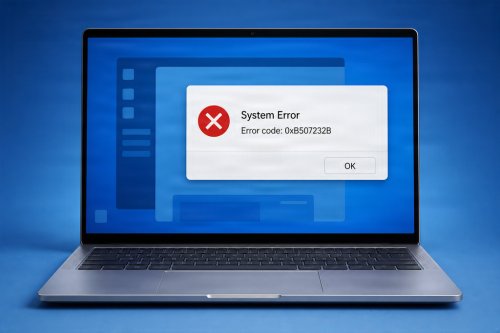
If you do not have the right drivers, your devices may not work properly. This can cause your computer to be slow or even crash.
Security is very important. Bad drivers can let hackers attack your computer. Always use drivers that are safe and up to date.
Check for new drivers when you add new hardware. Also, check if you have problems. This helps your computer work better.

A driver is a type of software designed to allow the operating system to recognize and communicate with hardware devices. Without the correct driver installed, certain devices may not work properly or may not work at all. For example, a printer connected to a computer without the appropriate driver may fail to print documents, while an outdated graphics driver could cause gaming or display issues.
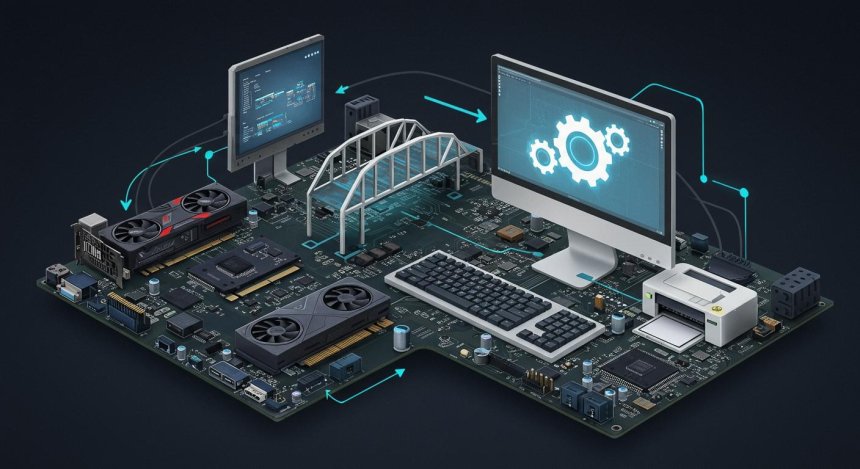
You use many devices every day, like keyboards and printers. Each device must talk to your computer’s operating system. A device driver is special software for one hardware device. This software helps your computer use the device’s features. It acts like a bridge between your computer and the device. Device drivers help your computer send and receive signals from each device.
Device drivers stand between your computer and its hardware. They show you how to use each device. You can think of them as translators. They take what your computer says and change it for the hardware.
Let the operating system talk to hardware devices.
Change commands from the OS into device instructions.
Give the OS a simple way to use different hardware.
Drivers are commonly installed automatically when a new device is connected to a computer. Modern operating systems such as Windows often include built-in drivers or automatically download them through system updates. However, there are cases where users need to manually install or update drivers, especially for specialized hardware or newly released devices.
Keeping drivers updated is important because updates often include performance improvements, bug fixes, security patches, and compatibility enhancements. Outdated drivers may lead to slow performance, system instability, hardware malfunctions, or security vulnerabilities. Updating drivers can improve overall functionality and ensure devices continue operating efficiently.
There are several ways to update drivers. Users can check for updates through the operating system's update settings, use device management tools, or visit the manufacturer's official website. Downloading drivers directly from trusted sources is important because unofficial websites may provide modified or harmful files that could compromise system security.
Signs that a driver may need attention include devices suddenly stopping work, frequent system crashes, missing hardware functions, unusual error messages, or reduced performance. Troubleshooting often begins by checking whether drivers are installed correctly and whether updates are available.

There are many kinds of device drivers in your computer. Each one has a special job to do. Some drivers work with lots of devices. Others only work with one device. The table below shows the main types of drivers:

You can also find other types of drivers, like:
Generic drivers: Work with many brands of devices.
Specific device drivers: Work with just one device or model.
Kernel drivers: Run deep inside the operating system.
User-mode drivers: Run outside the core, started by users.
Character drivers: Give direct access to hardware.
Block drivers: Give organized access, mostly for storage.
OEM drivers: Made by the company that built the hardware.
Class drivers: Work with a group of similar devices.
Open-source drivers: Made by the community, often for Linux.
Virtual drivers: Pretend to be hardware for testing or special uses.
While keeping drivers updated is beneficial, installing unnecessary or incompatible drivers can create problems. Users should verify that a driver matches the specific operating system version and hardware model before installation. Creating a system restore point before major updates can also provide an additional layer of protection.
Understanding drivers helps users maintain their devices and avoid common technical problems. By keeping drivers updated and downloading them only from reliable sources, users can improve system performance and ensure hardware continues functioning properly over time.
 Like
0
Like
0
 Dislike
0
Dislike
0
 Love
0
Love
0
 Funny
0
Funny
0
 Angry
0
Angry
0
 Sad
0
Sad
0
 Wow
0
Wow
0