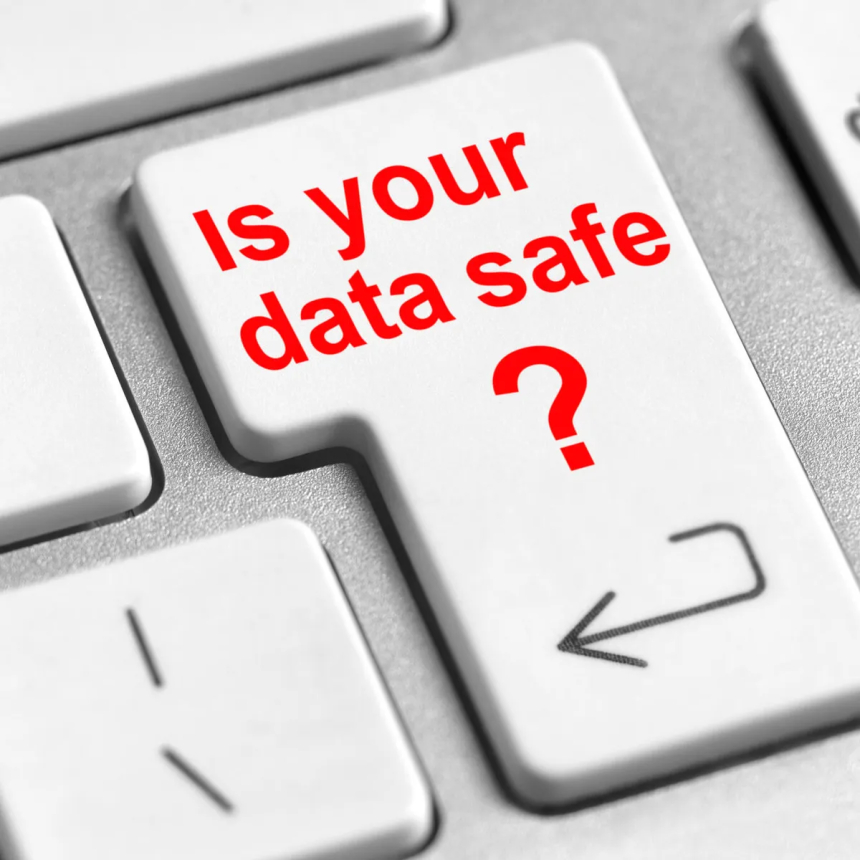
Every click, search, and login you make online leaves behind a trail of data. From social media activity to online banking and shopping, vast amounts of personal information are constantly being collected, stored, and sometimes shared. While the internet offers convenience and connectivity, it also raises an important question: is your data really safe online? The honest answer is—only as safe as the measures you take and the platforms you trust.

Most people assume that their data is protected simply because they use well-known websites or apps. While many companies invest heavily in cybersecurity, no system is completely immune to breaches. High-profile data leaks have shown that even major organizations can fall victim to cyberattacks, exposing sensitive user information such as emails, passwords, and financial details. This means that relying solely on a platform’s security is not enough; users must take an active role in protecting their own data.
One of the biggest risks to online data safety is weak authentication. Many users still rely on simple or repeated passwords across multiple accounts. This creates a domino effect—if one account is compromised, others can quickly follow. Strong, unique passwords combined with multi-factor authentication (MFA) significantly reduce this risk by adding an extra layer of verification beyond just a password. Even if attackers obtain your login credentials, they are far less likely to gain access without the second authentication factor.
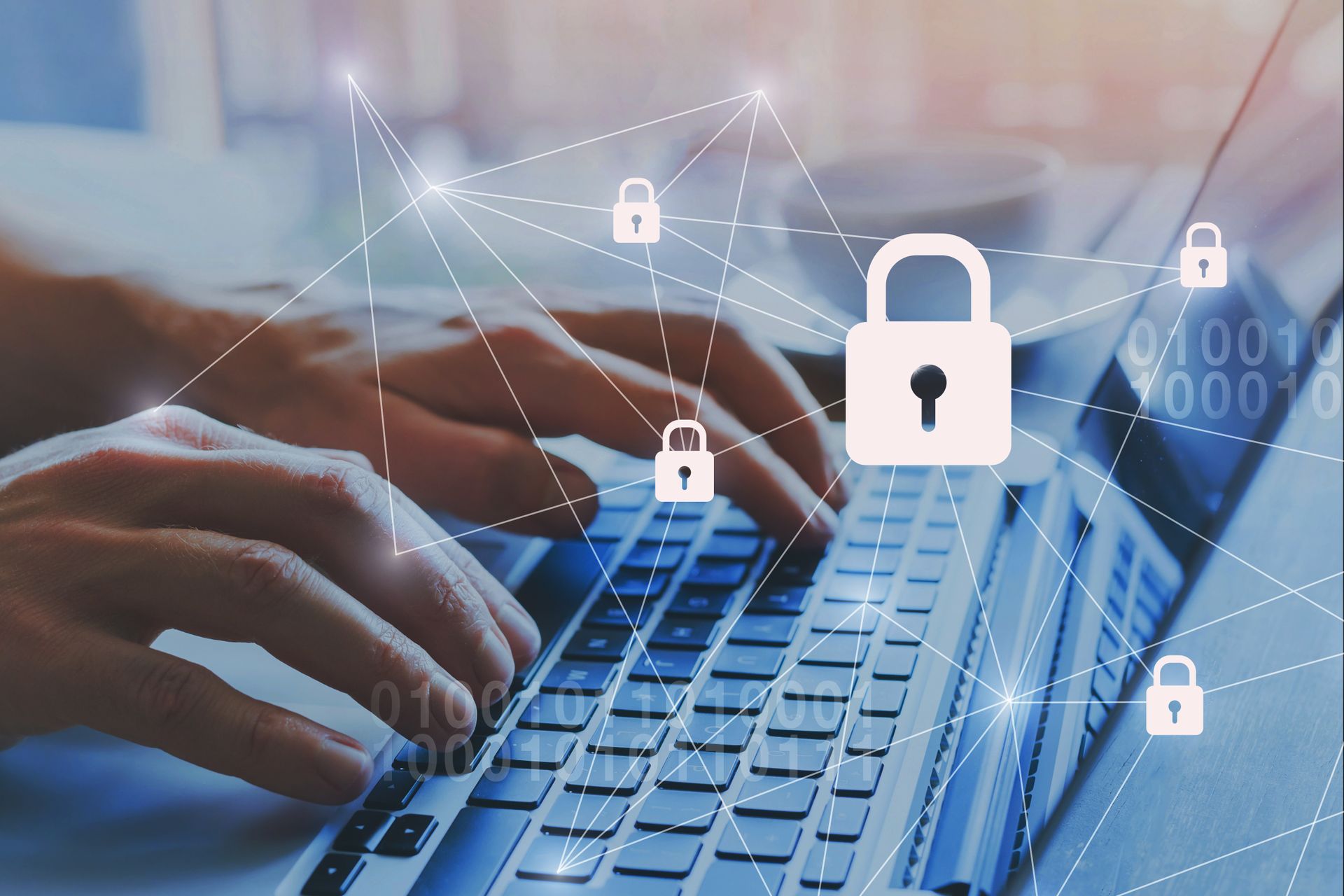
Another major concern is data tracking and privacy. Many websites and apps collect user data to improve services, personalize content, or target advertisements. While this is often disclosed in privacy policies, few users take the time to read or fully understand what they are agreeing to. As a result, personal data may be shared with third parties in ways users did not anticipate. Managing privacy settings, limiting app permissions, and being selective about what information you share can help minimize unnecessary exposure.
Public Wi-Fi networks are also a common vulnerability. These networks, often found in cafes, airports, and hotels, are typically less secure than private connections. Hackers can intercept data transmitted over unsecured networks, potentially capturing login credentials or sensitive information. Using a virtual private network (VPN) encrypts your connection, making it much harder for attackers to access your data while browsing on public networks.
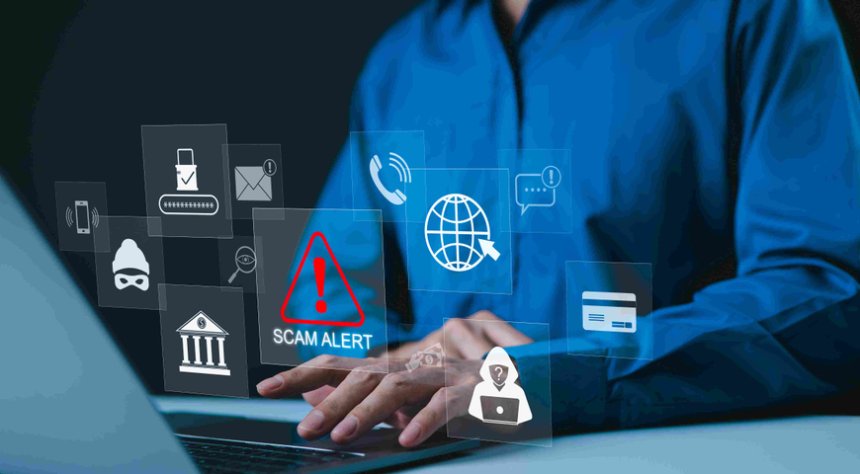
Phishing attacks continue to be one of the most effective methods for stealing personal information. These attacks trick users into revealing sensitive data by pretending to be legitimate entities such as banks, online services, or even coworkers. A single click on a malicious link can lead to compromised accounts or malware infections. Staying cautious, verifying sources, and avoiding suspicious messages are essential habits for protecting your data.
Cloud storage and online services have made it easier than ever to store and access data from anywhere. However, this convenience also introduces risks if accounts are not properly secured. Misconfigured settings, weak passwords, or unauthorized access can expose files that were assumed to be private. Regularly reviewing account activity, enabling security alerts, and organizing sensitive data carefully can help maintain control over what is shared and stored online.
It’s also important to understand that data safety is not just about preventing external attacks. Sometimes, the biggest risks come from oversharing. Posting personal details such as your location, daily routines, or private experiences on social media can provide valuable information to cybercriminals. This data can be used for identity theft, social engineering, or targeted scams. Being mindful of what you share publicly is a simple yet powerful way to protect yourself.
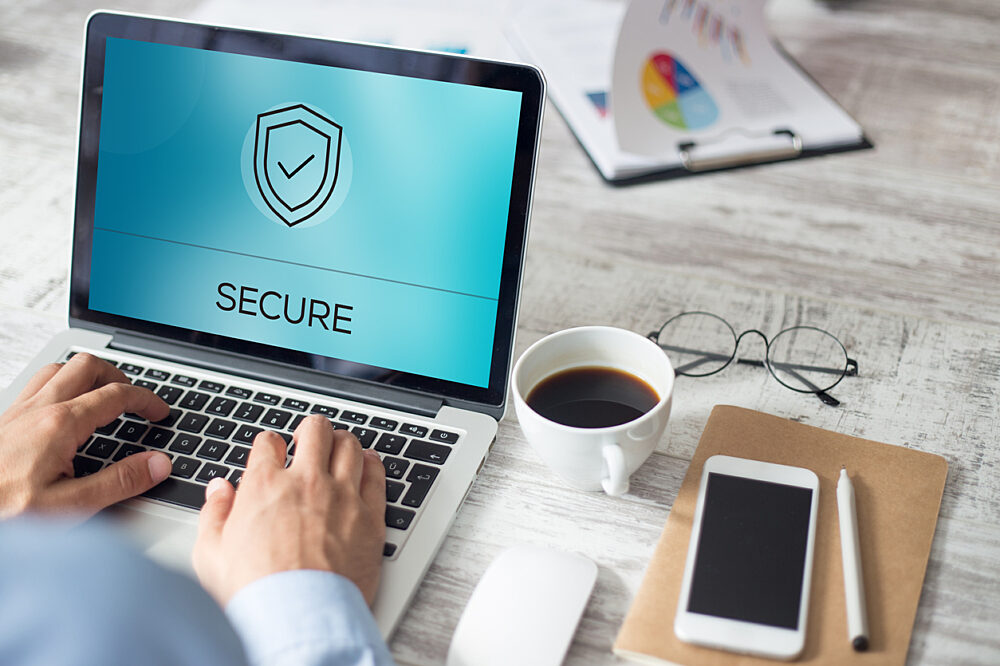
Ultimately, your data is never 100% safe online—but that doesn’t mean it’s helplessly exposed. By combining strong security practices with informed decision-making, you can significantly reduce your risk. Think of online safety as a shared responsibility: companies must secure their systems, but users must also protect their own digital footprint. The more proactive and aware you are, the safer your data becomes in an increasingly connected world.
 Like
0
Like
0
 Dislike
0
Dislike
0
 Love
0
Love
0
 Funny
0
Funny
0
 Angry
0
Angry
0
 Sad
0
Sad
0
 Wow
0
Wow
0