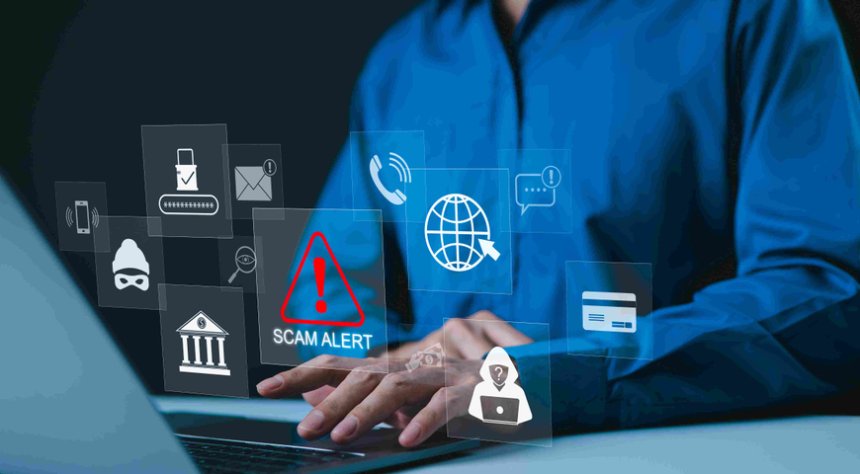
The digital era has transformed the way people communicate, work, shop, and manage personal finances. From online banking and social media platforms to mobile applications and cloud storage, personal information is now stored and shared more than ever before. While technology offers convenience and efficiency, it also presents risks related to data theft and identity fraud. As cybercriminals continue to develop sophisticated methods, protecting personal information has become increasingly important.
Data theft occurs when unauthorized individuals gain access to sensitive information such as names, addresses, passwords, financial records, identification numbers, or banking details. Cybercriminals may obtain this information through various techniques, including phishing emails, malware attacks, fake websites, weak passwords, or data breaches involving organizations and online services.
Identity fraud happens when stolen personal information is used without permission for illegal purposes. Criminals may use another person's identity to open bank accounts, apply for loans, make unauthorized purchases, access online accounts, or commit other forms of fraud. Victims often face financial losses, damaged credit records, and long-term difficulties in restoring their identity and personal security.
Keep Your Software Up to Date
Criminals look for weak points to exploit before software companies can fix them. So, update the software programs on your computer, tablet, and mobile phone as soon as possible when a newer version comes out. Software updates often contain critical patches and protections against security threats.
Turn on automatic updates to automatically update your:
- security software
- internet browser
- operating system
- mobile apps
Secure Your Home Wi-Fi Network
Your router is the access point between your devices and the internet. If malware gets onto any device connected to your home network, it can spread to other devices connected to the same network.
Protect Your Online Accounts with Strong Passwords and Two-Factor Authentication
Your online accounts may contain a lot of your personal information. Protect them with a strong password that’s hard to guess and turn on two-factor authentication.
Passwords
When it comes to passwords, you have a few options:
- Create your own password
- Choose an automatically generated password
- Use a password manager
Create your own password. If you create your own password, make it long. Aim for at least 15 characters. Use a combination of uppercase and lowercase letters, numbers, and symbols.
One of the most common methods used by cybercriminals is phishing. These attacks often involve emails, text messages, or social media messages that appear to come from legitimate organizations. Scammers create a sense of urgency by claiming there is a problem with an account or offering rewards that require immediate action. Once users click a link or provide information, their personal data may be compromised.
Strong cybersecurity habits can significantly reduce the risk of becoming a victim. Creating strong and unique passwords for different accounts is an essential first step. Passwords should combine letters, numbers, and special characters while avoiding easily guessed information such as birthdays or names. Enabling two-factor authentication adds another level of protection by requiring additional verification before account access is granted.
Users should also remain cautious when sharing personal information online. Public Wi-Fi networks can expose sensitive data if proper security measures are not used. Avoiding suspicious websites, verifying online sources, and limiting the amount of personal information shared on social media can reduce exposure to potential threats.
Regularly monitoring financial statements and online accounts can help detect suspicious activity early. If unauthorized transactions or unusual account activity appear, immediate action such as changing passwords and contacting financial institutions may help prevent further damage.
Organizations also play a significant role in protecting user information by implementing security systems and data protection measures. However, individuals remain responsible for practicing safe online behavior and staying informed about current cybersecurity threats.
As technology continues to evolve, cyber risks will continue to change alongside it. Awareness and proactive security practices are essential for protecting personal information in an increasingly connected world. By staying informed and taking preventive measures, individuals can reduce the risk of data theft and identity fraud while maintaining greater control over their digital identity.
 Like
1
Like
1
 Dislike
0
Dislike
0
 Love
0
Love
0
 Funny
0
Funny
0
 Angry
0
Angry
0
 Sad
0
Sad
0
 Wow
0
Wow
0