

Every time you browse a website, use social media, watch a video, or shop online, you leave traces of information behind. These traces are known as digital footprints, and they can reveal more about your online activities, interests, habits, and preferences than you might realize. In today's connected world, understanding digital footprints is an important part of protecting personal privacy and maintaining online security.
As technology continues to advance, more people rely on the internet for communication, education, entertainment, and business. Although these services make everyday activities more convenient, they also create opportunities for personal information to be collected, stored, analyzed, and shared. Knowing how digital footprints work can help internet users make informed decisions about what they share online.

A digital footprint refers to the trail of data a person leaves behind while using the internet and digital devices. This information may include websites visited, online searches, social media posts, comments, photos, location information, and interactions with digital services.
Digital footprints are generally divided into two categories: active and passive digital footprints.
An active digital footprint consists of information that a person intentionally shares online. Examples include posting photos on social media, writing comments, submitting online forms, sending emails, and publishing content on websites. Users often understand that these actions create a record, although they may not realize how long the information can remain accessible or how widely it can be shared.
A passive digital footprint is created when information is collected about a user's online activity, sometimes without the user directly providing it. Websites may record browsing activity, IP addresses, device information, and approximate location data. Cookies, advertising trackers, and analytics tools can also help services understand how visitors interact with their platforms.
Both types of digital footprints contribute to the information associated with an individual online.

Many online services collect data to operate their platforms, improve user experiences, measure performance, and deliver personalized content. However, the amount and type of information collected depend on the service, its privacy policy, the user's settings, and the permissions granted.
One common source of information is social media. Every post, reaction, comment, shared photo, and followed account can reveal details about a person's interests, relationships, activities, and opinions. Even information that seems harmless may provide useful insights when combined with other publicly available data.
Web browsing is another source. Websites may use cookies and similar technologies to remember preferences, maintain login sessions, measure traffic, and support advertising. Third-party trackers may also collect information across participating websites, depending on their implementation and the user's browser settings.
Online shopping platforms may record purchases, viewed products, search history, and shopping preferences. This information can help recommend products or personalize advertisements. Search engines and video platforms may similarly use activity data to improve recommendations and tailor results.
Mobile applications can collect additional information through device permissions. Depending on the application and the permissions granted, this may include access to location, contacts, photos, microphones, or other device features. Users should review these permissions carefully and allow access only when it is necessary for the application's intended purpose.
Digital footprints can have both positive and negative effects. On the positive side, they help make online services more convenient and relevant. Websites can remember user preferences, navigation tools can provide location-based directions, and educational platforms can track learning progress. A well-maintained online presence can also help students, professionals, and businesses showcase their work and establish credibility.
However, digital footprints can create privacy and security risks when information is exposed, misused, or shared beyond its intended audience.
One major concern is identity theft. Cybercriminals may use personal details found online to impersonate individuals, target their accounts, or create convincing scams. Information such as birthdays, names of family members, workplaces, and personal interests may help attackers make phishing messages appear legitimate.
Another concern is the permanent or long-lasting nature of online information. Deleting a post does not guarantee that every copy will disappear. Other users may have saved screenshots, downloaded images, or shared the original content. Search engines, archived pages, and third-party platforms may also retain information for some time.
Digital footprints may affect a person's reputation as well. Employers, schools, clients, or professional contacts may discover publicly available online content when evaluating an individual. Old posts, inappropriate comments, or misleading information can create misunderstandings and affect future opportunities.
There is also the issue of profiling. Organizations may analyze collected information to predict interests, personalize advertising, or categorize users. Although some profiling supports useful services, excessive collection or unclear data practices can reduce privacy and limit a person's control over personal information.

Cookies are small pieces of data that websites store in a browser. They serve several purposes, including keeping users logged in, remembering shopping cart items, and saving language preferences.
Not all cookies are harmful. Many are necessary for websites to function properly. However, some cookies and other tracking technologies may be used to measure behavior, build advertising profiles, or recognize users across different visits.
Other tracking methods may include tracking pixels, browser identifiers, and device fingerprinting. Device fingerprinting combines characteristics of a browser or device to help distinguish it from others. Unlike ordinary cookies, some fingerprinting techniques can work without storing a traditional cookie.
Users can reduce certain forms of tracking by adjusting browser privacy settings, limiting third-party cookies, clearing stored website data, and using privacy-focused browser features. However, these measures do not make someone completely anonymous. Websites may still collect information through account activity, server logs, IP addresses, and other technologies.
Protecting a digital footprint does not require avoiding the internet entirely. Instead, it involves developing responsible online habits and understanding how personal information is used.
Think before posting. Before publishing a photo, comment, or personal update, consider whether the information should be public and how it might be interpreted in the future. Avoid sharing sensitive information such as home addresses, financial details, identification numbers, and private travel plans.
Review privacy settings. Check the privacy settings of social media accounts, email services, and other online platforms. Limit who can view posts, find your profile, or access personal information. Remember that privacy settings differ across platforms and may change over time.
Use strong, unique passwords. Reusing the same password across multiple accounts increases the risk that one compromised service could expose other accounts. Use unique passwords and consider a reputable password manager. Enable multifactor authentication whenever possible for an additional layer of protection.
Limit application permissions. Review the permissions granted to mobile applications and remove access that is unnecessary. For example, an application that does not need your location to perform its main function may not require continuous location access.
Manage cookies and tracking. Review browser settings, clear website data when appropriate, and use available tracking-protection features. Be aware that blocking some cookies may affect website functionality, and clearing cookies does not erase every record of online activity.
Check your online presence. Search your name using a search engine to see what information is publicly accessible. Review old social media posts, remove content you no longer want to share where possible, and request removal of exposed personal information when a platform provides an appropriate process. Keep in mind that removing information from search results does not always delete it from the original website.
Be cautious with links and online forms. Avoid entering personal information on suspicious websites or responding to unexpected messages requesting sensitive details. Verify the identity of the sender and the legitimacy of the website before sharing information.
Read privacy notices. Although privacy policies can be lengthy, review what information a service collects, why it collects it, how long it retains the data, and whether it shares information with other organizations. Look for available controls to limit data collection or request access, correction, or deletion where applicable.
Managing a digital footprint is an ongoing process. New applications, websites, and connected devices introduce new ways for information to be collected and shared. As a result, users should regularly review their accounts, permissions, privacy settings, and online content.
Parents and teachers can also help young people understand the long-term effects of online activity. Students should learn to distinguish between public and private information, recognize suspicious online requests, and treat other people's personal information with respect. Businesses, meanwhile, should establish responsible data-handling practices and communicate clearly about how customer information is used.
The goal is not to eliminate every digital trace. Many online activities require some information to function, and digital records can support useful services. The goal is to make informed choices about what information is shared, who can access it, and what protections are available.

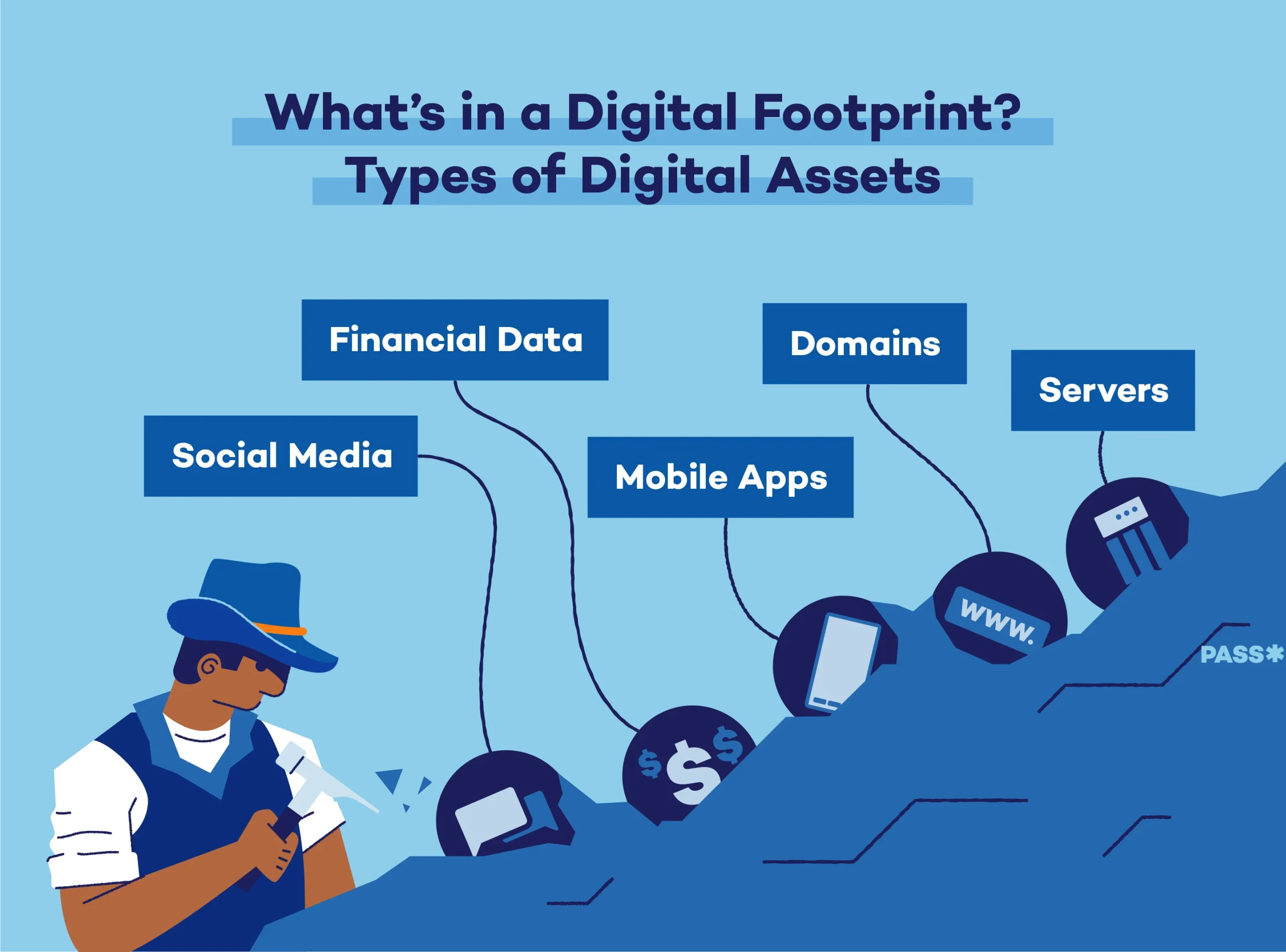
Digital footprints are an unavoidable part of modern internet use, but their impact depends partly on how individuals and organizations manage personal information. Social media activity, website visits, online purchases, and mobile applications can all contribute to the data trail associated with a person.
By understanding active and passive digital footprints, reviewing privacy settings, limiting unnecessary data sharing, and practicing good cybersecurity habits, users can reduce avoidable risks and maintain greater control over their online presence.
Ultimately, every internet user has a role in protecting digital privacy. Being mindful of what you share today can help safeguard your identity, reputation, and personal information in the future.
 Like
0
Like
0
 Dislike
0
Dislike
0
 Love
0
Love
0
 Funny
0
Funny
0
 Angry
0
Angry
0
 Sad
0
Sad
0
 Wow
0
Wow
0