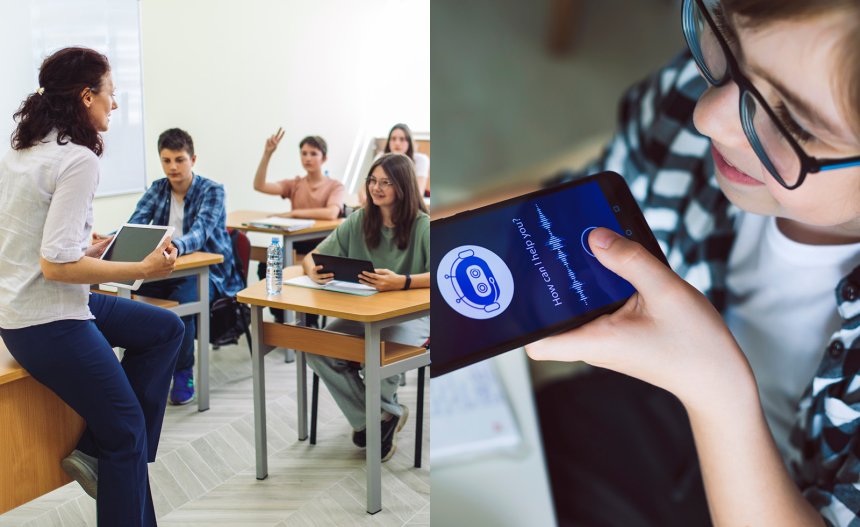

Silence can be a powerful tool in peer support, especially when you are communicating online. It can help you create a safe and respectful space for your peer to express their thoughts and feelings, without interrupting or judging them. It can also encourage them to reflect and explore their own solutions, while showing them that you are listening and empathizing. In this article, we will discuss how you can use silence effectively in peer support, and what to avoid when doing so.
1. Why silence matters
Silence is not just the absence of noise or words. It is a form of communication that can convey different meanings and emotions, depending on the context and the relationship between the speakers. In peer support, silence can be used to show respect, interest, patience, and understanding. It can also create a sense of trust and rapport, as you allow your peer to set the pace and direction of the conversation. Silence can also help your peer to process their thoughts and feelings, as they have the time and space to think without feeling pressured or rushed.
2. How to use silence online
Using silence online can be tricky, as you don't have the same visual and verbal cues as in face-to-face communication. You can't see your peer's body language, facial expressions, or eye contact, and you can't hear their tone of voice, pauses, or sighs. This can make it harder to interpret their silence, and to convey your own. However, there are some ways to use silence effectively online. For example, you can use emojis, emoticons, or punctuation marks to show your emotions and reactions. You can also use typing indicators or read receipts to show your presence and engagement. Additionally, brief and positive messages can be used to acknowledge and validate your peer's statements. Lastly, open-ended questions or prompts can be used to invite your peer to elaborate or clarify their thoughts. By doing so, you can demonstrate your support and appreciation, curiosity and attention, interest and curiosity without interrupting the conversation.
3. What to avoid when using silence online
Using silence online can also have some pitfalls, as it can be misinterpreted or misused by either you or your peer. To avoid this, don't use silence to avoid or ignore messages as this can make someone feel rejected, abandoned, or disrespected. Additionally, don't use silence to manipulate or pressure someone into saying or doing something, as this can make them feel coerced, intimidated, or guilty. Furthermore, don't use silence to judge or criticize statements as this can make someone feel defensive, insecure, or ashamed. Finally, don't use silence to fill the gaps or avoid the awkwardness as this can make the conversation feel superficial, boring, or unproductive. Instead of using silence in these ways, ask for permission before giving feedback and express disagreement politely and constructively. If you don't know what to say or how to respond, ask for help or guidance from your peer and use a reflective statement to summarize what they said.
4. How to handle silence from your peer online
Sometimes, your peer may be silent for various reasons, such as needing time to process something deeply, feeling unsure or confused about what to say, being distracted or busy with something else, or feeling uncomfortable or unhappy with the conversation. Depending on the reason and the situation, you can handle silence from your peer online in different ways. Respect their silence by giving them space and don't pressure them to talk. Support their silence by listening and showing appreciation and empathy. Challenge their silence by asking open-ended and probing questions. Negotiate their silence by offering suggestions and alternatives. Let them know that you are there and willing to wait until they are ready to speak, that you value what they have to say, that you are curious to hear more from them, and that you want to make the conversation work for them.
5. How to practice using silence online
Using silence online is a skill that can be learned and improved with practice and feedback. To hone this skill, observe how other peer supporters use silence in their sessions, experiment with different ways of using silence, and seek out supervision or mentoring. Additionally, ask for feedback from peers on your use of silence and reflect on what you did well and what you can improve. By doing these things, you will become more adept at using silence to help your peers process their thoughts.
The Value of Disconnecting in a Noisy Digital World
Children today are surrounded by constant digital noise—notifications, updates, auto-playing videos, and rapid-fire group chats. But one aspect of digital well-being often overlooked is intentional digital quiet. Teaching kids the value of silence online helps reduce stress and strengthen their focus.
Digital minimalism isn’t about banning technology. It’s about helping children understand that not every ping, post, or message needs attention.
Why Digital Quiet Matters for Kids
A calmer digital environment supports:
Better concentration
Improved emotional self-regulation
Reduced pressure to always respond
More thoughtful decision-making
Kids who learn this early grow into adults with strong boundaries and healthy digital habits.
Simple Ways to Introduce Digital Minimalism
Create “quiet zones.”No notifications during meals, study time, or before bed.
Teach them to mute unnecessary chats.Kids don’t need to be part of every conversation.
Encourage mindful scrolling.Help them evaluate whether what they consume adds value or just noise.
Celebrate offline moments.Show that calm, boredom, and silence are healthy, not problems to fix.
Building Peaceful Digital Citizens
When children learn digital minimalism, they gain a sense of control and calm in an overwhelming online world. They develop confidence, attention, and independence—skills that support emotional health for life.
 Like
0
Like
0
 Dislike
0
Dislike
0
 Love
0
Love
0
 Funny
0
Funny
0
 Angry
0
Angry
0
 Sad
0
Sad
0
 Wow
0
Wow
0