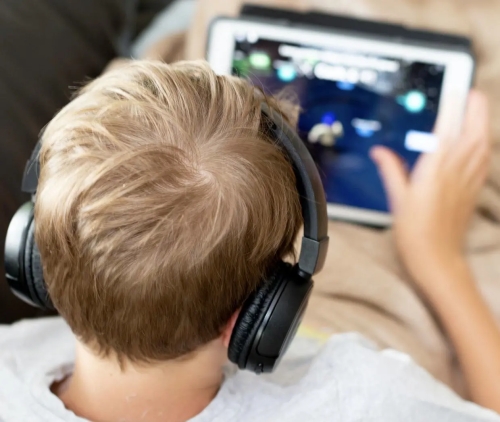

When school ends for the holidays, routines disappear. Kids stay up late watching videos, binge holiday marathons, or play uninterrupted gaming sessions. Without the structure of classes or homework, they may fall into long hours of passive scrolling.
School breaks are meant to provide students with a much-needed pause from academic responsibilities, offering time for rest, hobbies, and family interactions. However, for many students, these breaks lead to a significant increase in digital activity. With more free hours and less structured schedules, students often turn to social media, video streaming, online gaming, and other digital platforms, sometimes spending far more time online than intended.
Excessive screen time during Christmas break can affect:
Sleep quality, especially with late-night gaming
Mood and emotional balance, as overstimulation increases
Physical activity tends to drop during colder months
Social connection, when online time replaces family bonding
This surge in screen time can have multiple consequences. Excessive exposure to digital devices during breaks can disrupt sleep patterns, reduce physical activity, and contribute to mental fatigue. Social media, in particular, can amplify stress and anxiety through constant notifications, peer comparison, and information overload. Without parental monitoring or self-regulation, students may find it difficult to step away from screens, leading to a cycle of digital dependency.
Kids may not notice how hours slip away because holiday content is endless.
Small adjustments keep the break meaningful.
Set gentle daily rhythms (morning routines, family meals, night cutoffs).
Blend digital and offline fun—baking, crafts, decorating.
Create device-free moments, like Christmas Eve dinner or New Year’s Day breakfast.
Encourage hobbies—music, books, outdoor play, journaling.
Digital overload during school breaks is not just a matter of quantity but also the quality of engagement. Passive consumption, such as endless scrolling or binge-watching videos, provides little cognitive stimulation and can interfere with healthy offline activities. Even seemingly productive digital tasks, like online learning or creative projects, can contribute to mental fatigue if screen use becomes excessive and unbalanced.
While school breaks are intended as a period of rest and rejuvenation, they can unintentionally lead to digital overload if not managed mindfully. Balancing online and offline activities is essential for maintaining mental, physical, and emotional well-being. By fostering awareness and setting healthy boundaries, students can make the most of their breaks without succumbing to the pitfalls of excessive screen time.

Christmas vacation becomes richer when screens enhance—not replace—seasonal joy.
 Like
0
Like
0
 Dislike
0
Dislike
0
 Love
0
Love
0
 Funny
0
Funny
0
 Angry
0
Angry
0
 Sad
0
Sad
0
 Wow
0
Wow
0