One of the most important things children should avoid online is sharing personal details. Information such as full name, home address, school name, phone numbers, passwords, and daily routines can be misused by strangers. Even posting photos that reveal locations—like school uniforms or house numbers—can unintentionally expose private information.
Kids should learn that once something is posted online, it can be difficult or impossible to remove completely. A simple rule they can remember is: “If you wouldn’t say it to a stranger in person, don’t share it online.”
Not everyone online is who they claim to be. Some people may pretend to be children or friendly gamers to gain trust. Kids should avoid private chats, video calls, or meet-ups with people they only know online. Even if someone seems kind or shares similar interests, it is still important to stay cautious.
Children should be encouraged to tell a parent, teacher, or guardian if a stranger sends them messages, asks for photos, or requests personal information.
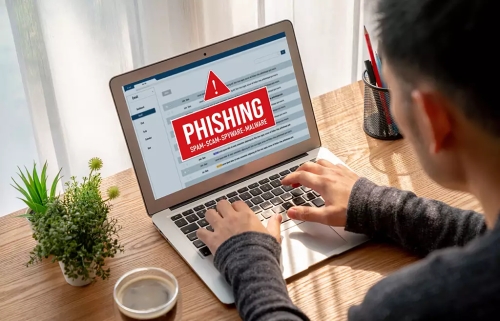
Many online dangers come from clicking on unknown links, flashy advertisements, or pop-ups promising free rewards. These can lead to scams, viruses, or inappropriate content. Kids should avoid clicking anything that looks too good to be true, such as “You won a prize!” or “Download now for free coins.”
Teaching children to ask an adult before downloading apps or opening unknown links can prevent many security problems.
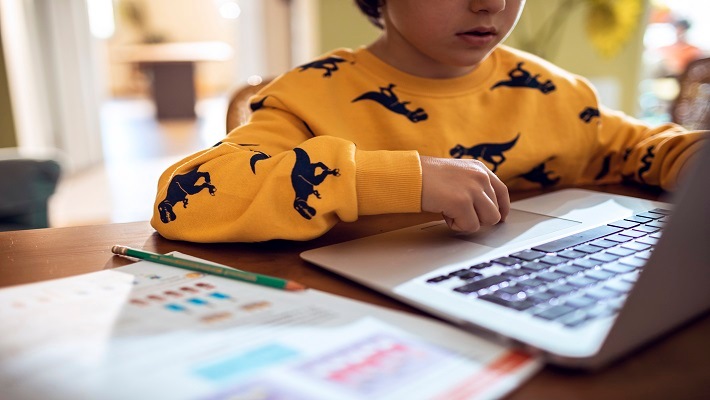
The internet contains content that may not be suitable for children, including violence, explicit material, or harmful language. Kids should avoid websites, videos, or chat rooms that make them feel uncomfortable, scared, or confused. Parental controls and safe search filters can help, but open communication is just as important.
Children need to know that it is okay to close a page and report what they saw without getting into trouble.

Online spaces can sometimes become places for hurtful comments, teasing, or harassment. Kids should avoid participating in cyberbullying—whether as the bully or by joining negative conversations. They should also avoid responding angrily to mean messages, as this can make situations worse.
Encouraging kindness, respect, and empathy online helps create safer digital communities. If bullying happens, children should save evidence and report it to a trusted adult.
Posting every detail of daily life can expose children to privacy risks and unwanted attention. Kids should avoid sharing live locations, vacation plans, or too many personal photos publicly. Setting profiles to private and limiting friend requests to people they know in real life can greatly improve safety.
Understanding the difference between public and private posts is a key digital skill for young users.
Avoiding online risks is easier when children feel comfortable talking about their experiences. Parents and educators should create an environment where kids can ask questions and report problems without fear of punishment. Conversations about internet safety should be regular, not only when something goes wrong.
Free games, music, or software from unknown sources may contain malware or hidden trackers. Kids should avoid downloading anything without permission from a parent or guardian. Even popular games can have unofficial versions that are unsafe.
Teaching children to use trusted app stores and verified websites reduces the risk of viruses and identity theft.
Instead of teaching children to fear the internet, the goal is to help them use it wisely. By learning what to avoid—such as oversharing, talking to strangers, clicking suspicious links, and engaging in negative behavior—kids gain the skills needed to navigate the digital world safely.
The internet will continue to grow and change, but strong awareness and good habits will always be the best protection. When children understand online boundaries and make thoughtful choices, they can enjoy technology while staying secure and confident.
 Like
0
Like
0
 Dislike
0
Dislike
0
 Love
0
Love
0
 Funny
0
Funny
0
 Angry
0
Angry
0
 Sad
0
Sad
0
 Wow
0
Wow
0