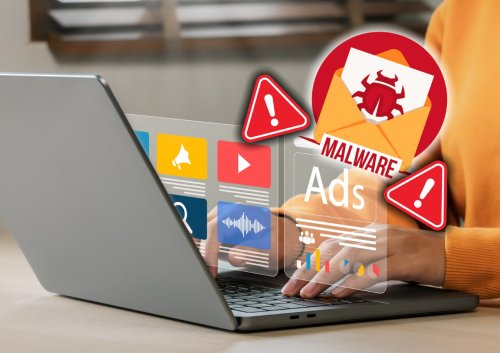

Every December, kids unwrap new phones, tablets, smartwatches, and gaming consoles. While these gifts bring excitement, they also open new online doors—some safe, some not. A fresh device means fresh risks: stronger commercial tracking, new accounts to manage, and new platforms kids may explore without guidance.
Digital gifts—such as e-gift cards, online subscriptions, game credits, and virtual items—have become popular choices for holidays, birthdays, and special occasions. They offer convenience and instant delivery, but they also come with unique online safety risks. Ensuring these gifts are secure protects both the giver and the recipient.
Parents often focus on the gift itself but forget to prepare its digital environment. Kids, eager to play, may skip privacy settings, click “allow” on every permission request, or download apps without checking credibility.
Only purchase digital gifts from reputable websites or official app stores. Scammers often create fake stores or phishing sites that mimic legitimate platforms. Look for secure connections (HTTPS), verified reviews, and official branding to avoid fraud.
Digital gifts often require email addresses or usernames. Double-check the information before sending to prevent accidental delivery to strangers. Sharing credentials or personal data carelessly can expose both parties to privacy breaches.
Many online platforms allow two-factor authentication (2FA). Activating this adds an extra layer of security, ensuring that even if login details are compromised, unauthorized access is prevented.
• Automatic location sharing is sometimes enabled by default
• Excessive notifications encouraging addictive use
• Unfiltered app stores full of unsafe games or chat features
• Microphones and cameras are active without clear indicators
• Weak default privacy settings
Holiday excitement makes kids less cautious, increasing the likelihood of exposure before parents realize it.
Scammers often lure buyers with “too good to be true” deals or gift promotions. Avoid clicking suspicious links or sharing sensitive information to claim these offers. Only trust deals from verified sources.
For children and teens, explain how to redeem digital gifts safely. Encourage them not to share codes, account credentials, or personal information. Remind them to report suspicious messages claiming to be from gift platforms.
Keep receipts, confirmation emails, and redemption codes secure. Monitoring gift activity ensures that issues can be addressed quickly, whether it’s a failed delivery or suspicious account activity.
• Set up the device together before giving full access.
• Activate parental controls early on.
• Turn off unnecessary permissions (camera, mic, location).
• Install only verified apps and explain why.
• Discuss responsible usage as part of the “unboxing ritual.”
Digital gifts can be a joyful and convenient way to celebrate, but safety should never be overlooked. By using trusted platforms, verifying recipient details, and practicing safe redemption habits, you can give gifts confidently while protecting everyone involved from online risks.
A new gadget can be an empowering tool for learning, creativity, and communication. With guidance from the start, kids can enjoy their holiday tech with both excitement and safety.
 Like
0
Like
0
 Dislike
0
Dislike
0
 Love
0
Love
0
 Funny
0
Funny
0
 Angry
0
Angry
0
 Sad
0
Sad
0
 Wow
0
Wow
0