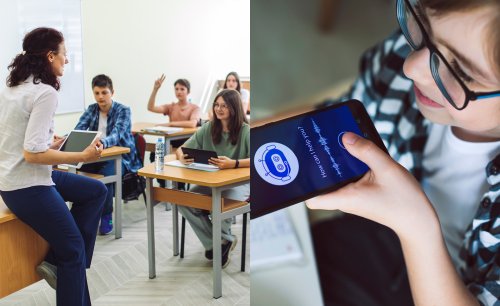
As children explore their surroundings, they encounter roads, vehicles, strangers, public spaces, and unfamiliar environments. Unlike adults, children may not always recognize danger or know how to respond quickly. Mobility safety education helps children:
Safety on the move is not about fear—it is about preparation and knowledge.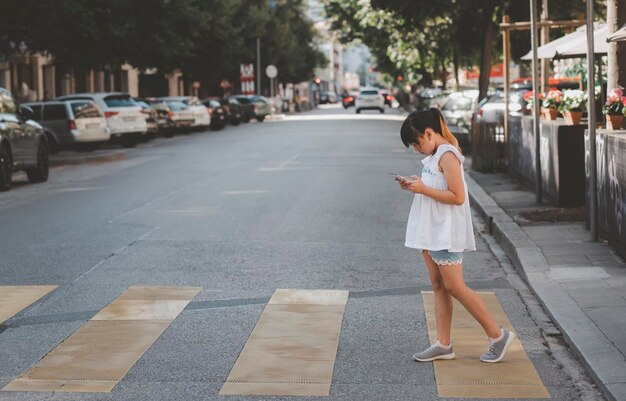
Crossing streets, riding bikes, or using public transportation can be risky if children do not follow traffic rules or pay attention to their surroundings.
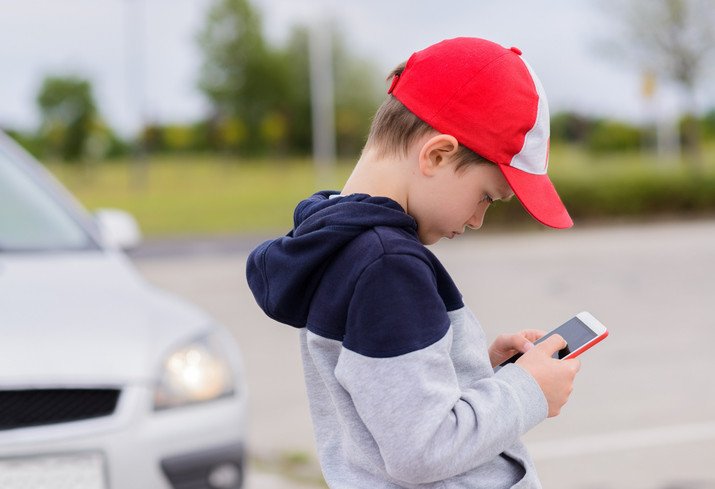
Mobile devices, headphones, and conversations can distract children from potential hazards such as approaching vehicles or unsafe areas.
In crowded places like malls, parks, or terminals, children may become separated from adults and panic or make unsafe choices.
While most people are harmless, children should know how to handle interactions with strangers safely and confidently.
Uneven sidewalks, poor lighting, weather conditions, and construction areas can pose unexpected dangers.
Children should be taught to look around, listen carefully, and stay alert at all times—especially near roads and crowded areas.
Basic rules such as using pedestrian crossings, obeying traffic signals, wearing helmets, and using seatbelts should be practiced consistently.
Kids should avoid using phones or wearing headphones while walking, biking, or crossing streets.
Teach children to stay in one safe place, look for uniformed personnel or trusted adults, and know important contact information.
Children should understand that it is okay to say no, keep distance, and seek help if someone makes them uncomfortable.
Parents and caregivers play a vital role in reinforcing safety habits. They can:
Consistency and communication help children feel supported and prepared.
Safety lessons are more effective when practiced regularly. Walking routes together, role-playing scenarios, and discussing “what-if” situations can help children remember what to do in real life. Repetition builds confidence and awareness.
As children grow, they naturally seek more independence. Teaching safety allows parents to give freedom gradually while ensuring children understand boundaries and expectations. Independence and safety can go hand in hand when children are properly guided.
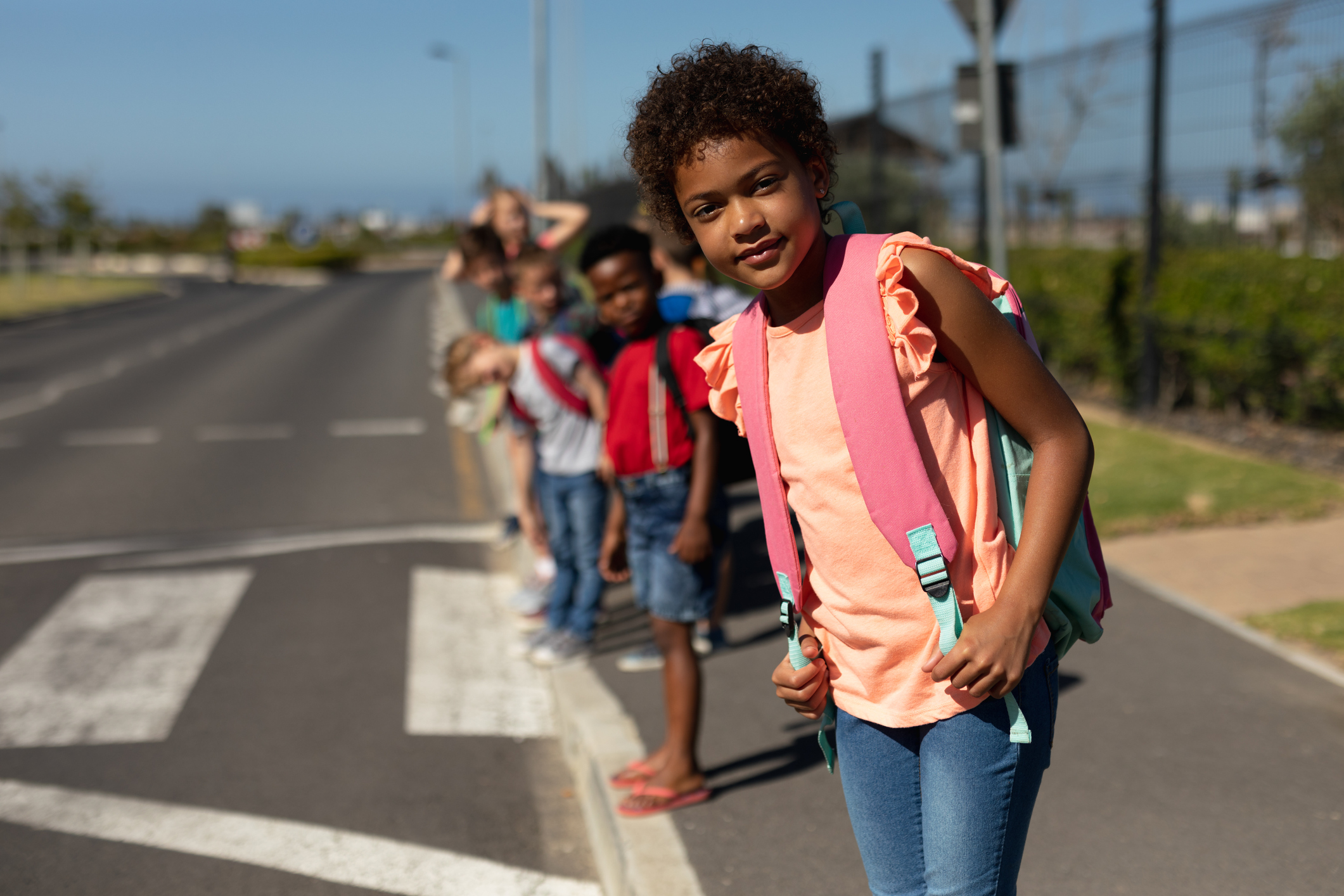
Teaching kids to stay safe while on the move is a shared responsibility between families, schools, and communities. By helping children understand risks, practice awareness, and make smart decisions, we equip them with skills that last a lifetime.
When children know how to protect themselves while walking, riding, or traveling, they can move through the world with confidence, caution, and care—making every journey a safer one.
 Like
0
Like
0
 Dislike
0
Dislike
0
 Love
0
Love
0
 Funny
0
Funny
0
 Angry
0
Angry
0
 Sad
0
Sad
0
 Wow
0
Wow
0