

Ransomware is a type of malicious software (malware) designed to block access to a computer system, network, or data by encrypting files or locking the system, and then demanding a ransom payment—usually in cryptocurrency—in exchange for restoring access.
Once ransomware infects a device, it typically:
Encrypts important files (documents, images, databases)
Displays a ransom note with payment instructions
Threatens permanent data loss or public data leaks if the ransom is not paid

In order to be successful, ransomware needs to gain access to a target system, encrypt the files there, and demand a ransom from the victim.
While the implementation details vary from one ransomware variant to another, all share the same core three stages
Ransomware, like any malware, can gain access to an organization’s systems in a number of different ways. However, ransomware operators tend to prefer a few specific infection vectors.
One of these is phishing emails. A malicious email may contain a link to a website hosting a malicious download or an attachment that has downloader functionality built in. If the email recipient falls for the phish, then the ransomware is downloaded and executed on their computer.
Another popular ransomware infection vector takes advantage of services such as the Remote Desktop Protocol (RDP). With RDP, an attacker who has stolen or guessed an employee’s login credentials can use them to authenticate to and remotely access a computer within the enterprise network. With this access, the attacker can directly download the malware and execute it on the machine under their control.
Others may attempt to infect systems directly, like how WannaCry exploited the EternalBlue vulnerability. Most ransomware variants have multiple infection vectors.
In 2025, ransomware attacks frequently leverage vulnerabilities within an organization’s third-party suppliers, recognizing them as a weaker entry point. This often begins with compromised credentials or unpatched software in a vendor’s system, allowing attackers to gain initial access. From there, the threat actors exploit the trusted connection between the supplier and the target organization to move laterally and deploy ransomware, bypassing the main company’s direct defenses.
After ransomware has gained access to a system, it can begin encrypting its files. Since encryption functionality is built into an operating system, this simply involves accessing files, encrypting them with an attacker-controlled key, and replacing the originals with the encrypted versions. Most ransomware variants are cautious in their selection of files to encrypt to ensure system stability. Some variants will also take steps to delete backup and shadow copies of files to make recovery without the decryption key more difficult.
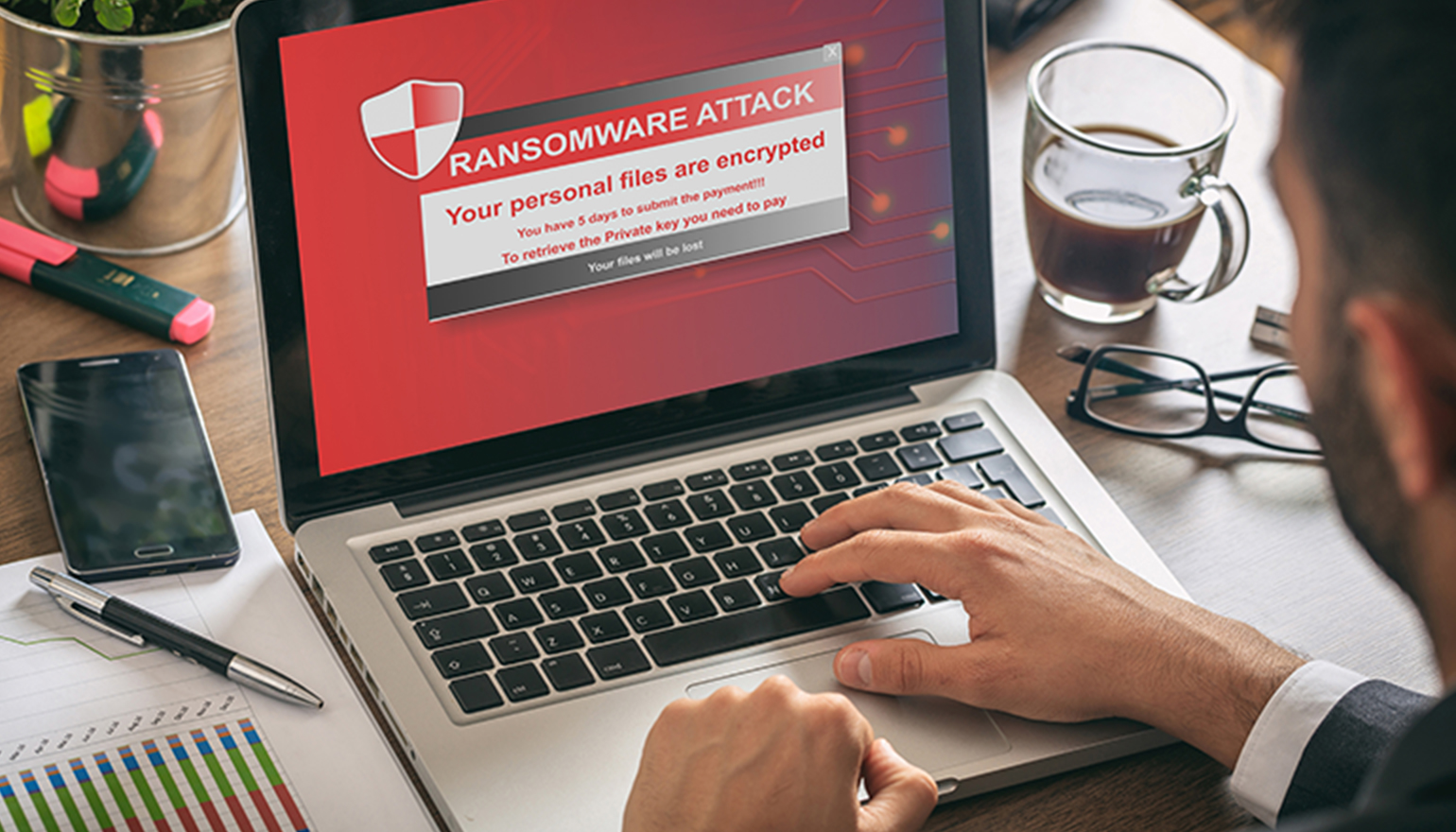
Once file encryption is complete, the ransomware is prepared to make a ransom demand. Different ransomware variants implement this in numerous ways, but it is not uncommon to have a display background changed to a ransom note or text files placed in each encrypted directory containing the ransom note. Typically, these notes demand a set amount of cryptocurrency in exchange for access to the victim’s files. If the ransom is paid, the ransomware operator will either provide a copy of the private key used to protect the symmetric encryption key or a copy of the symmetric encryption key itself. This information can be entered into a decryptor program (also provided by the cybercriminal) that can use it to reverse the encryption and restore access to the user’s files.
While these three core steps exist in all ransomware variants, different ransomware can include different implementations or additional steps. For example, ransomware variants like Maze perform files scanning, registry information, and data theft before data encryption, and the WannaCry ransomware scans for other vulnerable devices to infect and encrypt.
Ransomware attacks can:
Disrupt business operations
Cause financial losses
Lead to data breaches and privacy violations
Damage organizational reputation
Hospitals, schools, governments, and businesses are frequent targets.
Prevention and Protection
To reduce ransomware risk:
Keep systems and software updated
Use strong antivirus and endpoint protection
Avoid suspicious emails and links
Regularly back up data (offline and cloud)
Use multi-factor authentication (MFA)
Ransomware is one of the most dangerous cyber threats today, combining technical attacks with psychological pressure. Understanding how it works and adopting strong cybersecurity practices are essential to protecting data and systems.
 Like
0
Like
0
 Dislike
0
Dislike
0
 Love
0
Love
0
 Funny
0
Funny
0
 Angry
0
Angry
0
 Sad
0
Sad
0
 Wow
0
Wow
0