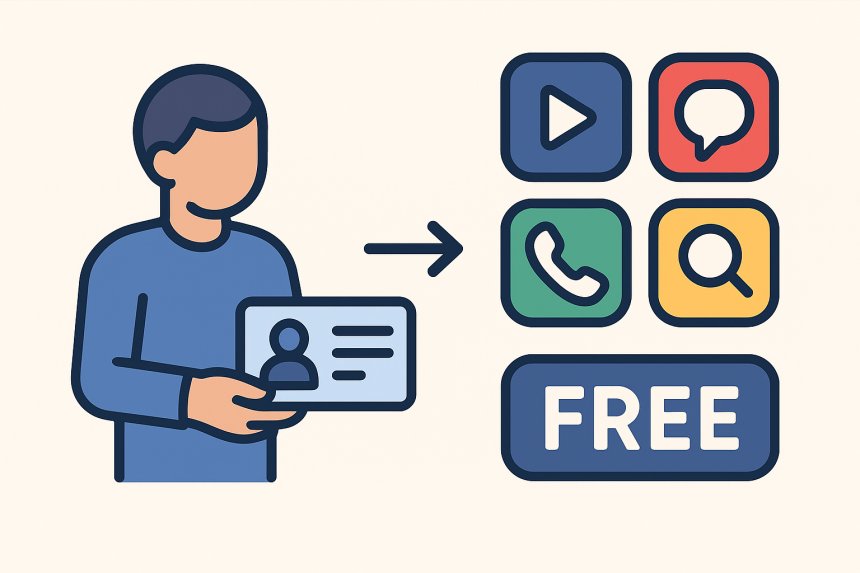
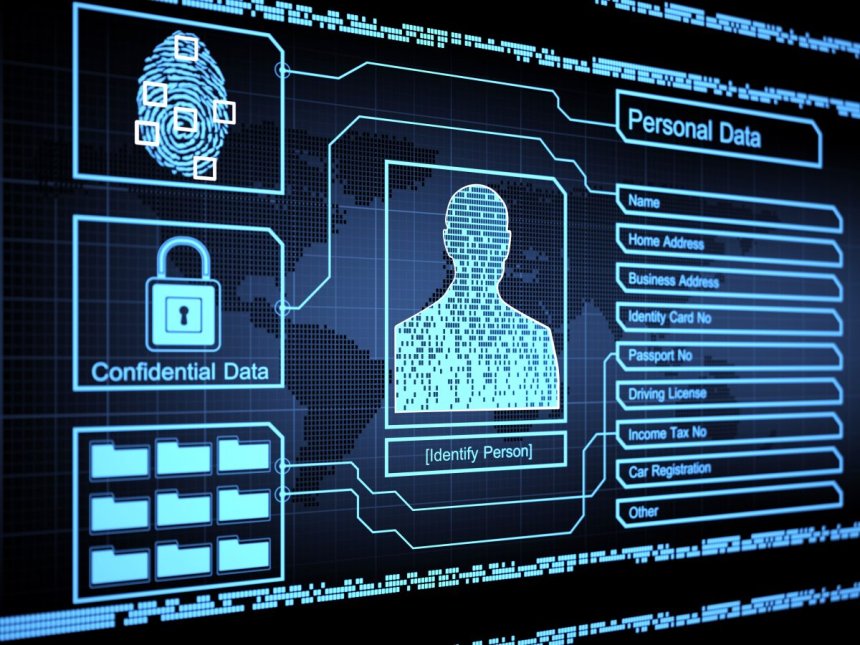
The internet knows more about you than you might think. Every time you browse, shop, comment, or sign up for a new service, you add a piece to your digital puzzle. Collectively, these pieces form your digital identity — a unique combination of data points that represent who you are in the online world.
Your digital identity includes:
Personal information (name, birthday, contact details)
Login credentials and passwords
Social media posts and photos
Online purchases and browsing history
Device identifiers, IP addresses, and app activity
While these details help make your online experiences convenient and personalized, they also create opportunities for exploitation. Once stolen or exposed, personal data can be used for malicious purposes such as fraud, blackmail, or identity impersonation.
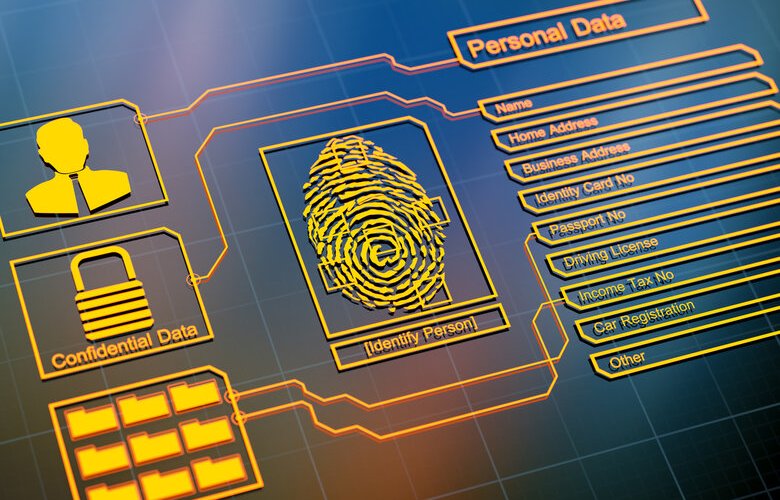
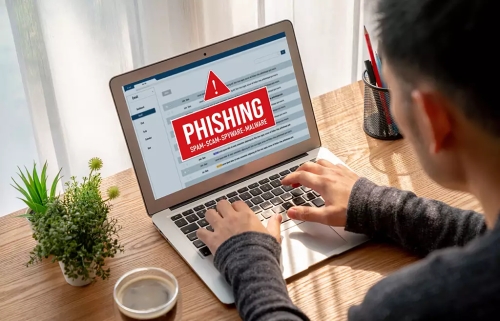
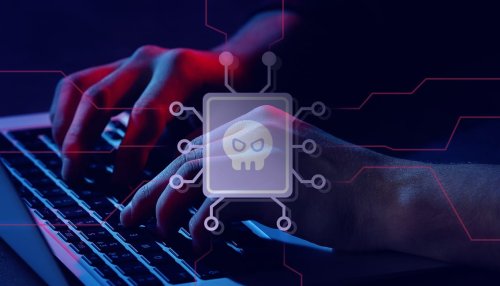
As our dependence on technology deepens, cybercriminals are becoming more sophisticated. They use social engineering, phishing, malware, and data breaches to gather bits of your identity and build a profile strong enough to impersonate you.
Here’s what’s at stake:
Cybercriminals can use your personal information to open credit lines, file false tax returns, or even commit crimes under your name. The effects can last for years, damaging your credit score and reputation.
Unsecured online transactions and saved card details can lead to unauthorized purchases or drained accounts.
Tech companies and third-party advertisers constantly collect user data to predict your preferences. Without control, your digital behavior can be tracked and manipulated.
A hacked account or misused image can quickly spiral into public embarrassment or career damage. Once something is posted or leaked online, it can be nearly impossible to erase.
Governments, corporations, and data brokers routinely gather digital data. Without proper protection, your private activities may be monitored or monetized without your knowledge.
Protecting your digital identity isn’t paranoia — it’s digital self-defense.
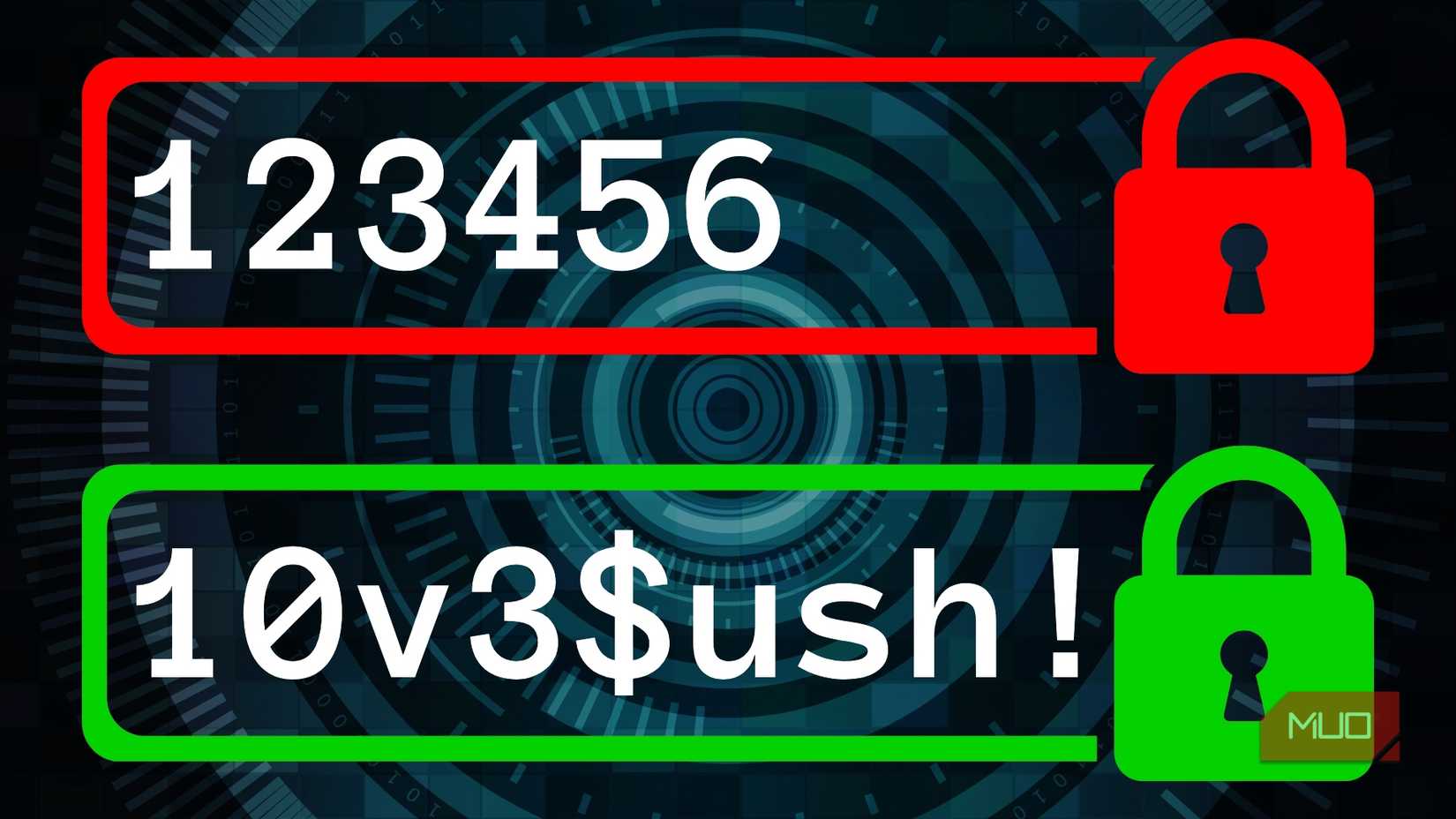
Avoid using the same password across multiple sites. Use long, random combinations of letters, numbers, and special symbols. A password manager can help you generate and securely store them.
Adding MFA means hackers can’t access your account even if they have your password. It’s one of the simplest yet most effective cybersecurity practices.
Think carefully before sharing your birthday, location, or family details on social media. Cybercriminals often use this information for social engineering attacks.
Go through the privacy controls of your email, social media, and online accounts. Disable data sharing and limit who can view your information or posts.
Opt for communication platforms that offer end-to-end encryption, ensuring that only you and the intended recipient can read your messages.
A VPN masks your IP address and encrypts your connection, making it harder for hackers, advertisers, and ISPs to track your activity.
Do not click suspicious links or download attachments from unknown sources. Verify senders before responding to messages requesting sensitive information.
Regular updates patch vulnerabilities that cybercriminals exploit. Enable automatic updates for your OS, browsers, and antivirus software.
Search your name online periodically. Check if your data has appeared in breaches using trusted tools like “Have I Been Pwned” or Cyber Shield’s Identity Monitor.
Install reputable security software like Cyber Shield Software to detect malware, encrypt data, block phishing attempts, and secure your browsing sessions.
At Cyber Shield Software, we understand that privacy is power. Our mission is to help individuals and businesses maintain full control over their online identities.
Our suite of cybersecurity tools offers:
Real-time threat detection to stop malware and ransomware before they strike.
Identity monitoring to alert you when your personal information appears in breaches.
Encrypted browsing and VPN features for anonymous, secure connections.
Privacy management tools to help you review and tighten your digital footprint.
Whether you’re an everyday user, a small business owner, or an enterprise, Cyber Shield helps you stay one step ahead in the evolving landscape of online threats.
As artificial intelligence, biometric authentication, and smart devices continue to advance, the definition of digital identity will expand. Future threats may not only target personal information but also behavioral patterns, voice recognition, or digital twins.
The best defense will always be awareness, vigilance, and innovation — principles that Cyber Shield Software is built upon.
Your digital identity is more than a collection of data — it’s a digital reflection of your real self. Protecting it ensures your privacy, security, and peace of mind in an increasingly connected world.
By following cybersecurity best practices, staying informed, and using reliable tools like Cyber Shield Software, you can keep your online presence private, secure, and truly under your control.
Stay Covered. Stay Confident. Stay Protected with Cyber Shield Software.
 Like
0
Like
0
 Dislike
0
Dislike
0
 Love
0
Love
0
 Funny
0
Funny
0
 Angry
0
Angry
0
 Sad
0
Sad
0
 Wow
0
Wow
0