
We live in two worlds now:
➤ the physical world we move through
➤ and the digital world we build with every tap, search, upload, and swipe
Your digital life isn’t just your social media accounts or online purchases—it's an entire identity made of data trails, interactions, habits, and choices.
It evolves continuously, whether you're aware of it or not.
In 2025, your digital life is as real and influential as your physical one. It controls what you see online, the ads you receive, the opportunities presented to you, and even the risks you face.
This article explores what digital life truly means, why it matters, and how to protect your digital identity in a world where technology touches everything.
Digital life is the combination of:
Your online identity
Your device activity
Your social presence
Your browsing patterns
Your purchasing behavior
Your communication history
Your digital footprint
The data collected about you
In other words:
🧬 Your digital life is your second self—created by every interaction you have online.
From the moment you wake up and check your phone, your digital life begins its day alongside you.
Messages, alerts, reminders, updates—notifications now regulate our daily rhythms.
Behavioral psychologists call this “digital conditioning.”
Sharing has become a normal part of living.
Photos, stories, achievements—even meals—contribute to your digital narrative.
Need a recipe? Advice? Directions? Symptoms?
Google (or AI assistants) becomes the first responder to nearly every question.
Digital life pushes us into a cycle of convenience-driven consumption—one-click shopping, digital wallets, and subscription services.
Messages, DMs, and video calls now replace many face-to-face interactions.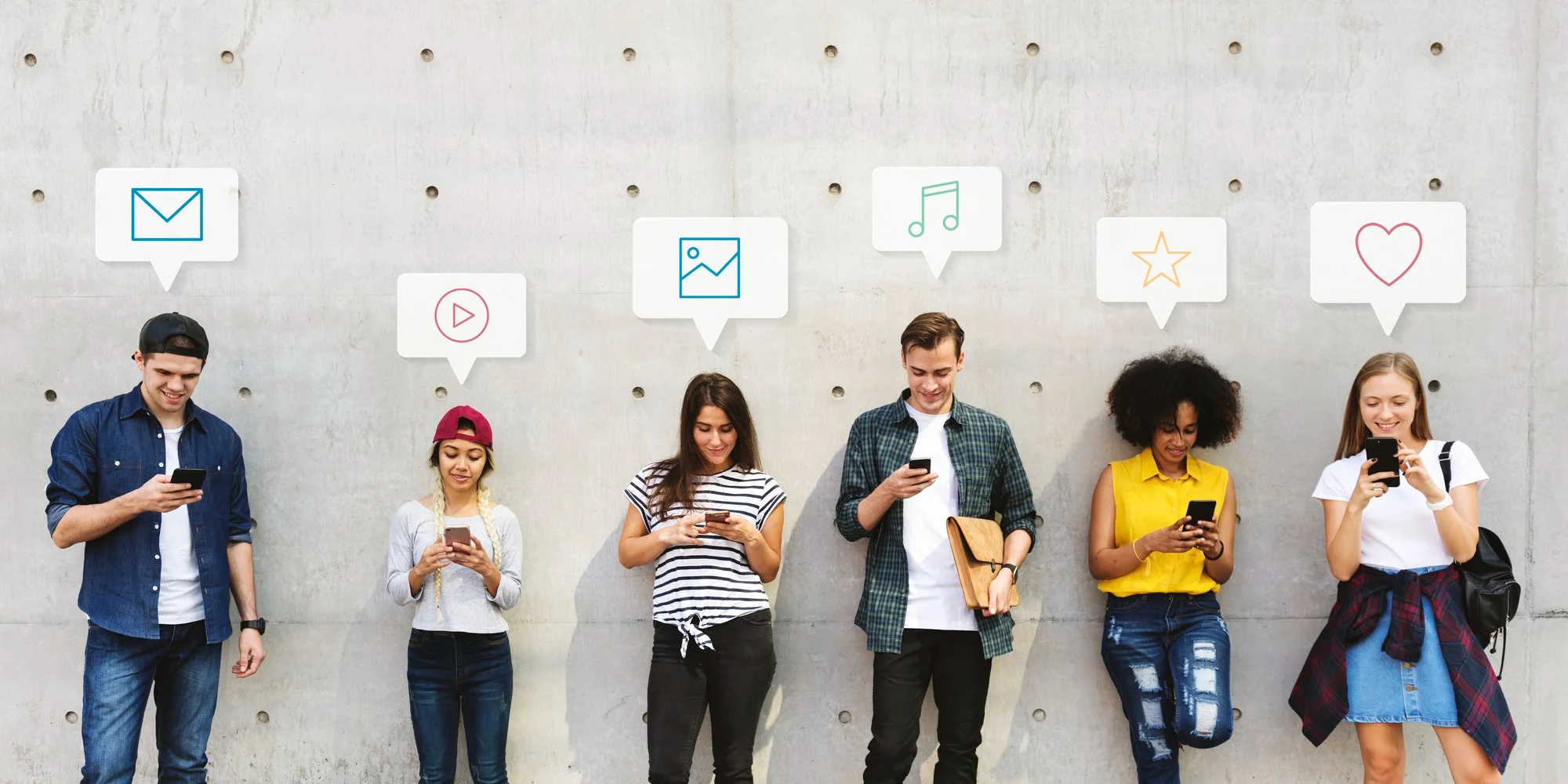
Digital life changes how we think:
Likes, comments, and shares affect self-esteem more than most admit.
Information never stops.
And constant input reshapes attention spans.
You’re more likely to see what you agree with.
This shapes beliefs, values, and worldviews.
Sleep disruption, anxiety, FOMO (fear of missing out), and burnout all have digital ties.
Digital life is powerful—but understanding it helps you stay in control.
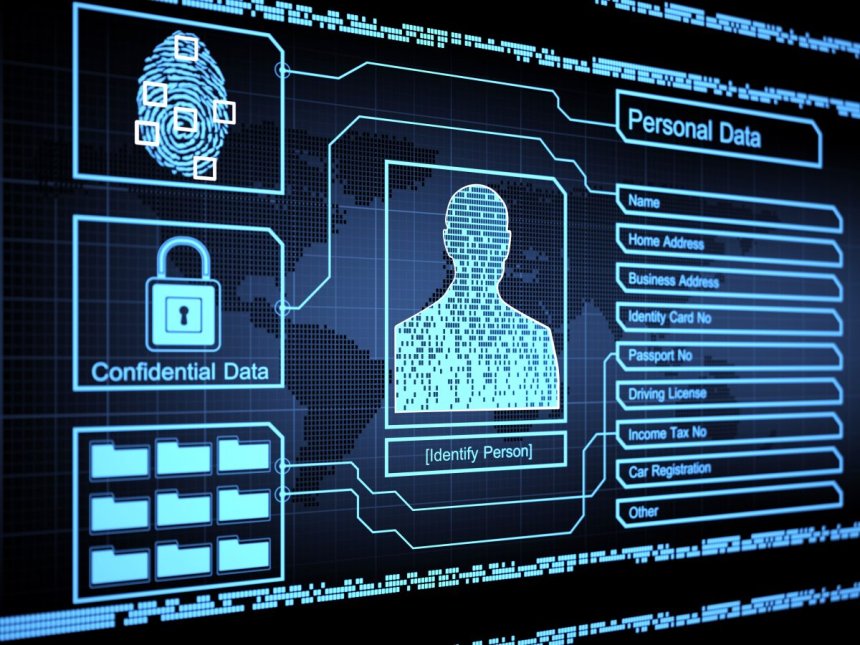
Every action online produces data.
Companies collect:
Your interests
Your behaviors
Your spending habits
Your browsing history
Your patterns and preferences
This data powers:
personalized ads
predictive recommendations
algorithmic suggestions
AI decision-making
And in many cases—it’s sold, shared, and monetized.
Your digital life is valuable, not just to you, but to companies, advertisers, and even cybercriminals.
The more digital your life becomes, the more exposed you are to threats.
Your digital identity can be stolen through breaches, phishing, or leaked data.
Apps and websites track:
location
habits
preferences
social connections
Malicious apps and files can hijack your personal devices.
Still one of the biggest causes of hacking.
Even trusted companies can leak your information.
Here’s how to take back control:
Avoid using the same password across multiple accounts.
Use a password manager to generate and store secure logins.
Prefer app-based verification (not SMS).
This blocks most unauthorized logins even if your password leaks.
Ask yourself:
“Does this app really need my location, contacts, or camera?”
Often, the answer is no.
Delete:
old accounts
unused apps
outdated posts
Less data = less risk.
Think before you post.
Photos, birthdays, travel updates, or personal details can be used for social engineering.
Use:
privacy-focused browsers
VPNs
tracker blockers
encrypted messaging apps
Use:
encrypted hard drives
secure cloud storage
regular backups
If anything happens, your digital life stays intact.
In the next few years:
AI will influence more decisions
VR/AR will create “digital worlds”
Smart homes will track daily behavior
Digital IDs will replace physical documents
Your digital life will grow whether you want it to or not.
The goal isn’t to reject technology—
🧠 it’s to understand it, control it, and use it wisely.
Your digital life is powerful.
It influences how you think, what you see, what you buy, and how you connect with the world.
The key to thriving in a digital age is simple:
👉 Be aware. Be intentional. Be protected.
Technology should empower you—not control you.
 Like
0
Like
0
 Dislike
0
Dislike
0
 Love
0
Love
0
 Funny
0
Funny
0
 Angry
0
Angry
0
 Sad
0
Sad
0
 Wow
1
Wow
1