
October 2026 brought renewed attention to the growing scale and sophistication of cyber threats facing organizations around the world. Reports of increasingly automated attacks, ransomware activity, exploitation of vulnerable systems, and threats to critical infrastructure highlighted how quickly the cybersecurity landscape is changing. For businesses, government agencies, technology providers, and everyday computer users, the developments served as another reminder that cybercriminals are becoming more organized, adaptable, and capable of using advanced technology to expand their operations.
The term "Black October" can be used to describe this period of heightened cybersecurity concern. It is important to clarify that it is a descriptive label for the reported activity during the month, rather than the established name of one confirmed global cyberattack or a single ransomware operation. Instead, the concern comes from the combination of emerging threats, evolving attack techniques, and the potential for cybercriminals to target organizations across multiple industries.
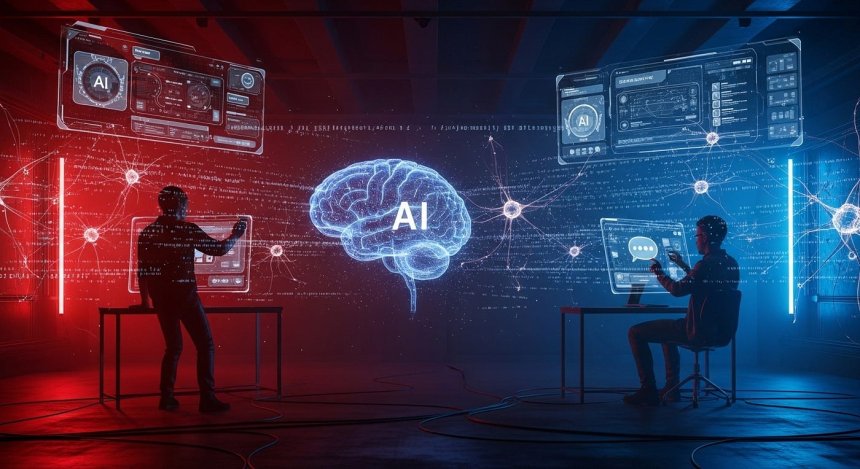
One development that attracted particular attention was reporting about hackers weaponizing the ARTEX AI framework to automate cyberattacks against sectors such as energy, manufacturing, and telecommunications. The incident illustrates a broader concern: artificial intelligence and automation are not only changing legitimate business operations but are also creating new opportunities for malicious actors.
Understanding what happened during this period, how these threats work, and what organizations can do to protect themselves is essential to improving cybersecurity preparedness.

Black October refers to the heightened cybersecurity activity and concern associated with October 2026. Rather than one isolated incident, the term describes a broader period in which several cybersecurity risks drew attention, including ransomware, automated attacks, exploitation of security vulnerabilities, and threats to essential services.
Cyberattacks are not new, but their methods continue to evolve. Attackers increasingly use automation to identify potential targets, examine exposed systems, distribute malicious files, and perform repetitive tasks at a scale that would be difficult to achieve manually. Artificial intelligence can further assist malicious operations by helping attackers generate convincing messages, adapt their techniques, and accelerate parts of an attack.
The consequences can extend beyond the computer initially compromised. A successful intrusion into a business network can expose customer information, interrupt operations, compromise employee accounts, and affect suppliers or connected organizations. When critical infrastructure is involved, the potential consequences can reach essential services that communities and economies depend on.
For this reason, October's reported cybersecurity developments deserve attention not simply because of the number of threats being discussed, but because they demonstrate how interconnected modern digital systems have become.

One of the notable cybersecurity reports associated with October 2026 involved the ARTEX AI framework. Reporting by Industrial Cyber described an FBI warning about hackers weaponizing the framework to automate attacks against energy, manufacturing, and telecommunications organizations.
This development highlights a growing concern among cybersecurity professionals: malicious actors may use AI-assisted tools and automated frameworks to make cyber operations faster, more scalable, and potentially more difficult to defend against.
It is important to understand what ARTEX represents in this context. It should not automatically be described as a conventional ransomware family. A framework used to support or automate cyberattacks is different from ransomware itself. Ransomware is malicious software designed to deny access to files or systems, commonly through encryption, and demand payment for their restoration. An attack framework may support different stages of an intrusion, depending on its capabilities and how attackers deploy it.
In other words, a framework such as the one described in the report may be part of a wider attack operation rather than the specific malware responsible for encrypting a victim's files.
The distinction matters because cybersecurity defenses must address more than the final payload. Preventing an intrusion, detecting suspicious activity, restricting unauthorized access, and containing compromised systems are all essential parts of an effective security strategy.
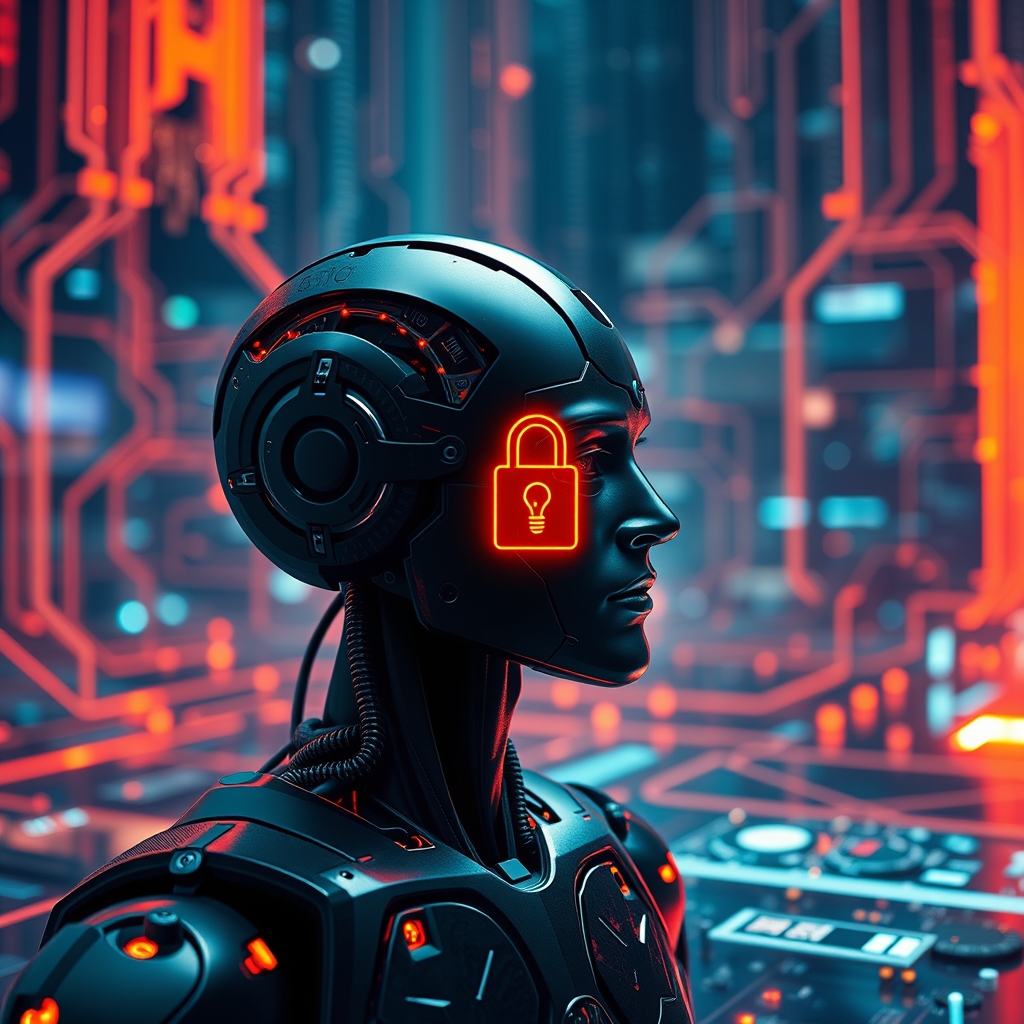
Traditional cyberattacks often require attackers to perform several tasks manually. They may need to identify potential targets, search for exposed services, examine vulnerabilities, prepare malicious messages, and attempt to gain access to systems.
Automation can accelerate repetitive parts of this process. AI-assisted tools may also help attackers analyze information, generate content, and adjust their approaches. The exact capabilities depend on the tools involved, and not every AI framework performs all these functions.
For organizations, the concern is that automated attacks can increase the speed and scale at which threats are attempted. Security teams may face more suspicious activity to investigate, while businesses with limited monitoring and protection may struggle to identify malicious behavior before it causes damage.
An automated attack does not necessarily mean that every stage is controlled by artificial intelligence. Human operators may still select targets, make decisions, and manage the broader operation. AI and automation can simply make certain tasks more efficient.
This combination of human direction and automated execution creates a serious challenge for organizations that rely on outdated security practices or do not regularly monitor their networks.
The sectors identified in reporting about ARTEX are particularly important because they support essential services and economic activity. An attack against these industries can affect more than the organization directly targeted.
Energy companies operate systems responsible for electricity generation, transmission, distribution, and related services. Some of these environments include operational technology (OT), which controls or monitors physical equipment and industrial processes.
A cyber incident affecting an energy organization could disrupt business operations, expose sensitive information, or interfere with systems used to manage infrastructure. The consequences depend on the systems compromised and the extent of the intrusion.
Industrial control systems require particular attention because they interact with physical equipment. Security teams must protect both conventional IT networks and the specialized environments that support industrial operations.
Modern manufacturing facilities depend on connected computers, industrial controllers, production management software, and supply chain systems. These technologies help organizations coordinate production, manage inventory, monitor equipment, and deliver products.
A successful cyberattack can interrupt production schedules, prevent access to important files, disrupt logistics, or expose proprietary business information. Ransomware can be particularly damaging when essential systems become unavailable.
Even when an attack does not directly affect production equipment, compromised business networks can create operational delays and financial losses.
Telecommunications providers support internet connectivity, mobile communications, business networks, and other essential digital services. Their infrastructure is closely connected to the operations of governments, companies, and individuals.
A security incident involving a telecommunications provider can raise concerns about service availability, customer information, network integrity, and the security of connected systems.
Because telecommunications networks support so many other industries, disruptions can have consequences beyond the provider itself.

Ransomware remains one of the most disruptive forms of cybercrime. It is designed to prevent victims from accessing files or systems and then demand payment in exchange for a supposed recovery solution.
Modern ransomware operations can involve more than file encryption. Some attackers steal sensitive information before disrupting systems. They may then threaten to publish or sell the stolen data if the victim refuses to pay. This approach is commonly known as double extortion.
Ransomware incidents can cause several types of damage. Employees may lose access to essential files, customer services may become unavailable, and organizations may be forced to suspend operations while they investigate and recover. Businesses may also face regulatory obligations, legal expenses, reputational damage, and costs associated with rebuilding affected systems.
AI-assisted tools can potentially support parts of a ransomware operation, such as reconnaissance, social engineering, or other preparatory tasks. However, AI assistance does not mean that every ransomware attack is AI-powered, nor does it establish that a particular framework is itself ransomware.
Organizations should therefore treat ransomware defense as part of a broader cybersecurity program. Protecting endpoints, securing user accounts, maintaining backups, monitoring networks, and preparing incident response procedures remain essential.
Artificial intelligence has legitimate applications in cybersecurity. Security teams use automated analysis and machine learning to identify suspicious behavior, examine large volumes of security data, and support threat detection.
Unfortunately, malicious actors can also use AI to support their activities.
One concern is AI-assisted phishing. Attackers can use language-generation tools to create messages that appear more professional, personalized, and convincing. Poor grammar and obvious spelling mistakes have traditionally helped some users identify suspicious emails, but AI-generated messages may remove these warning signs.
Another concern is automated reconnaissance. Attackers may use tools to collect information about organizations, identify publicly exposed systems, and organize potential targets. Automation can reduce the time required to perform repetitive research.
AI can also support social engineering by helping criminals create believable messages that imitate business communications, technical support notifications, delivery updates, or account security alerts.
These techniques can make it more difficult for users to distinguish legitimate communications from fraudulent ones. However, AI does not make attacks impossible to detect. Strong authentication, security awareness, email filtering, endpoint protection, and network monitoring can still reduce the likelihood and impact of successful attacks.
Cyber threats are not limited by national borders. A criminal group operating in one country can target organizations in another, while compromised services and stolen information can be distributed across international networks.
This global nature of cybercrime creates challenges for organizations of every size. Large enterprises may have dedicated security operations teams, but smaller businesses often operate with limited IT budgets and fewer resources. Both can become targets.
A cyberattack against one company can also affect its suppliers, customers, contractors, and service providers. For example, a compromised vendor account may provide an attacker with access to another organization's systems. This makes supply chain security an important part of modern cybersecurity planning.
The impact can include financial losses, operational disruption, data exposure, identity theft, and reduced public trust. In industries responsible for essential services, the consequences may extend to communities and national infrastructure.
The lesson from October's cybersecurity concerns is that organizations should not assume they are too small, too local, or too insignificant to attract cybercriminal attention.
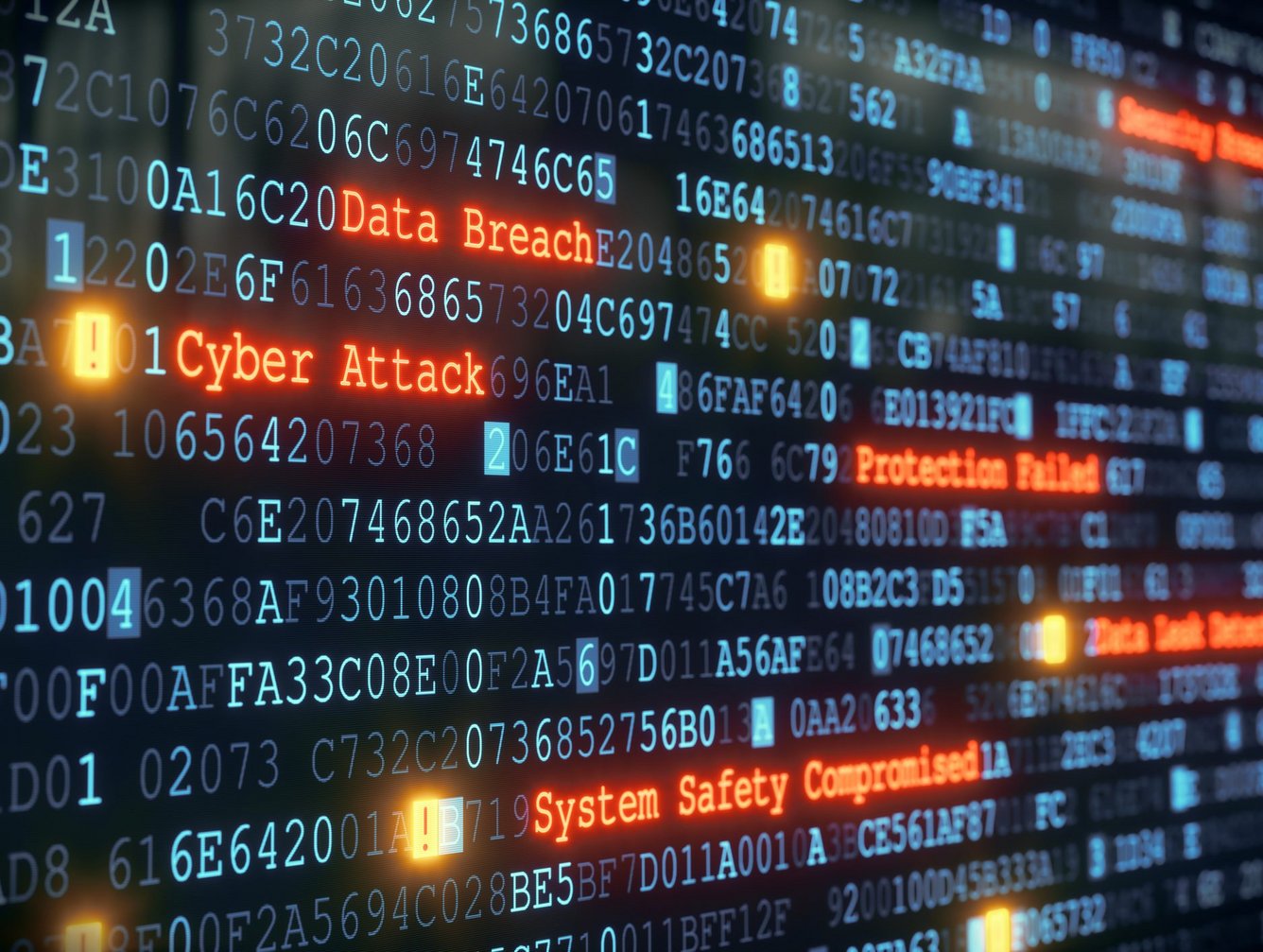
Businesses that depend heavily on digital systems are exposed to a range of cybersecurity risks. However, the level of risk depends on their technology, security practices, industry, and exposure to potential attackers.
Small and medium-sized businesses can be vulnerable when they use outdated software, weak passwords, poorly secured remote access, or insufficient backup procedures. Employees may also become targets of phishing and impersonation attacks.
Large organizations face different challenges, including complex networks, multiple locations, extensive user accounts, and interconnected suppliers. A single compromised account or unpatched system may create an entry point into a much larger environment.
Critical infrastructure providers face additional responsibilities because their systems support essential services. They must consider the security of traditional IT environments alongside operational technology, industrial control systems, and third-party connections.
Individual computer users are also potential targets. Cybercriminals may attempt to steal passwords, financial information, personal documents, or access to online accounts through malicious downloads, fraudulent websites, and phishing messages.
Cybersecurity is therefore not exclusively an enterprise concern. Every connected user has a role in reducing the opportunities available to attackers.

Recognizing unusual system behavior can help users and IT teams investigate potential security problems. Although no single symptom confirms a cyberattack, unexpected changes should not be ignored.
A computer that suddenly becomes unusually slow, repeatedly crashes, or displays unfamiliar pop-ups may have an application or security problem. Unexpected browser redirects, unknown programs, disabled security features, and unfamiliar startup entries may also warrant investigation.
In business environments, warning signs can include unusual login attempts, unexpected account lockouts, unfamiliar administrator accounts, suspicious network traffic, and files that suddenly become inaccessible.
Ransomware may produce more obvious symptoms, such as renamed files, ransom notes, or widespread inability to open documents. However, some attacks remain unnoticed during their early stages.
Users should avoid assuming that every performance issue is malware-related. Hardware problems, software conflicts, insufficient storage, and operating system errors can cause similar symptoms. A proper security and system assessment is necessary to identify the actual cause.
The growing use of automation in cyberattacks makes basic security practices more important than ever. No single security product can prevent every threat, but a combination of technical safeguards and responsible user behavior can significantly reduce exposure.
1. Keep Windows and applications updated. Install security updates for your operating system, browsers, productivity software, and other applications. Updates frequently address vulnerabilities that attackers may attempt to exploit.
2. Use reputable security software. Maintain active antivirus and endpoint protection. Ensure security definitions are updated and schedule regular scans. For businesses, consider centralized endpoint monitoring and response capabilities.
3. Enable multi-factor authentication. Passwords alone may not be enough to protect important accounts. Multi-factor authentication adds another verification step and can reduce the risk of unauthorized access when passwords are stolen.
4. Use strong, unique passwords. Avoid reusing the same password across multiple accounts. A reputable password manager can help generate and store complex passwords securely.
5. Maintain reliable backups. Back up important files regularly and keep at least one backup isolated from the main network or otherwise protected against unauthorized modification. Test restoration procedures instead of assuming backups will work during an emergency.
6. Be cautious with emails and attachments. Verify unexpected requests for payments, password changes, or sensitive information. Avoid opening suspicious attachments or clicking unfamiliar links, even when messages appear to come from trusted organizations.
7. Secure remote access. Review remote desktop services, VPN access, administrative accounts, and other externally accessible systems. Disable services that are not needed and restrict access to authorized users.
8. Monitor network and account activity. Businesses should review authentication logs, endpoint alerts, and unusual network behavior. Early detection can help security teams investigate suspicious activity before it spreads.
9. Limit user privileges. Employees should have only the access necessary to perform their jobs. Avoid using administrator accounts for routine activities, and review access permissions regularly.
10. Prepare an incident response plan. Organizations should know who is responsible for responding to an incident, how affected systems will be isolated, where backups are stored, and how customers and relevant authorities will be notified when required.
These measures should be reviewed regularly. Cybersecurity is an ongoing process, not a one-time installation or configuration.
If you suspect that a computer or business network has been compromised, avoid making random changes or immediately deleting unfamiliar files. Improper actions can destroy evidence or make recovery more difficult.
For an individual computer, disconnecting it from the network may help prevent further communication with malicious systems. If you are part of an organization, follow its incident response procedures and contact the IT or security team immediately. Do not independently shut down or disconnect critical operational systems without guidance from qualified personnel, particularly in industrial environments.
Change compromised passwords from a known-clean device, especially for email, financial, and administrator accounts. If ransomware is suspected, do not rush to pay the attackers. Payment does not guarantee that files will be restored or that stolen information will remain private.
Organizations should preserve relevant logs, document what happened, assess the scope of the incident, and involve qualified incident response professionals when necessary. Recovery should include identifying and addressing the original entry point to reduce the likelihood of another compromise.
The growing use of AI in cybercrime does not mean that organizations are defenseless. Security professionals are also using artificial intelligence and automation to improve threat detection, analyze suspicious activity, and respond to incidents more efficiently.
AI-assisted security tools can help identify unusual login behavior, recognize suspicious file activity, prioritize alerts, and analyze large amounts of security information. These capabilities can be valuable for organizations that need to monitor complex environments.
However, automated security systems still require proper configuration, human oversight, and regular evaluation. False positives, missed detections, and poorly configured tools can create additional risks.
The future of cybersecurity will likely involve a continuing competition between attackers using automation to increase the efficiency of their operations and defenders using technology to detect and contain threats. Organizations that combine modern tools with trained personnel, strong security policies, and tested recovery plans will be better prepared.
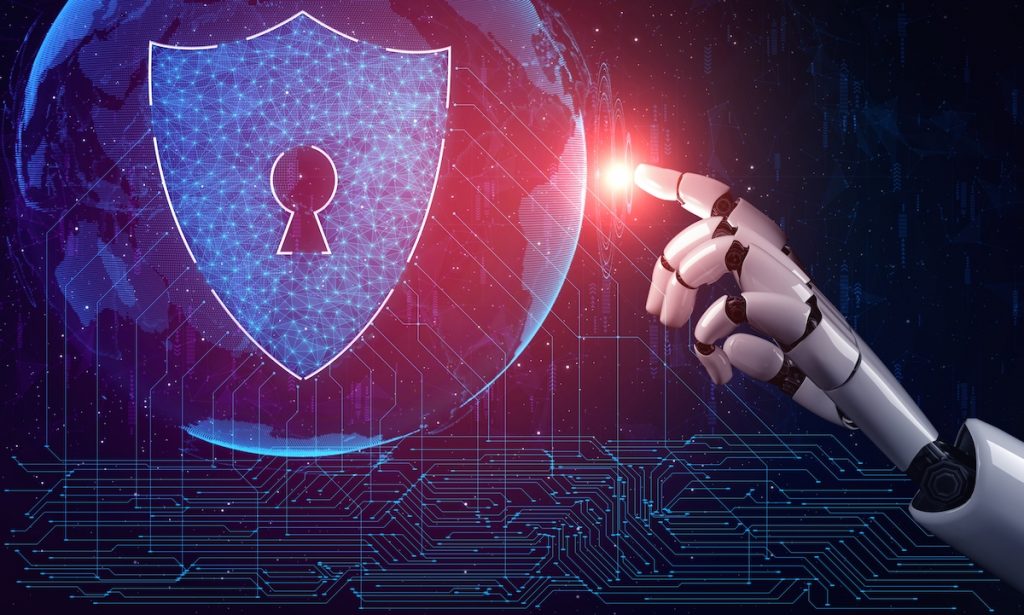
The cybersecurity concerns associated with October 2026 highlight an important reality: cyber threats are becoming increasingly connected to automation, artificial intelligence, and the systems that support modern life.
The reported ARTEX AI-framework activity is a reminder that attackers may use emerging technologies to support operations against important industries, including energy, manufacturing, and telecommunications. At the same time, ransomware, phishing, credential theft, and the exploitation of vulnerable systems continue to pose risks to organizations and individuals worldwide.
Black October should not be understood as a single confirmed global attack. It is better viewed as a reminder of the growing cybersecurity challenges highlighted this month and of the need for stronger digital defenses.
For businesses, that means keeping systems up to date, protecting accounts, monitoring networks, maintaining secure backups, and preparing for incidents before they happen. For individual users, it means downloading software from trusted sources, recognizing suspicious messages, using strong passwords, and keeping security protection active.
Advanced System Repair Pro brings two decades of experience in PC repair and maintenance software. Regular computer maintenance can help users identify certain system issues and keep their Windows computers in better working condition. While PC maintenance is not a replacement for dedicated cybersecurity protection, it can form part of a broader approach to maintaining a healthy and reliable computer.
The most important lesson is simple: cybersecurity cannot be treated as an afterthought. As attackers continue to adopt new tools and techniques, individuals and organizations must make security, awareness, and preparedness part of their everyday digital routines.
 Like
0
 Dislike
0
 Love
0
 Funny
0
 Angry
0
 Sad
0
 Wow
0