
Artificial intelligence is rapidly changing the cybersecurity landscape, creating new opportunities for businesses while introducing additional risks for organizations responsible for protecting sensitive information and critical infrastructure. As AI-powered technologies become more accessible, cybersecurity experts are increasingly concerned about how malicious actors could exploit these tools to improve the speed, scale, and efficiency of cyberattacks.
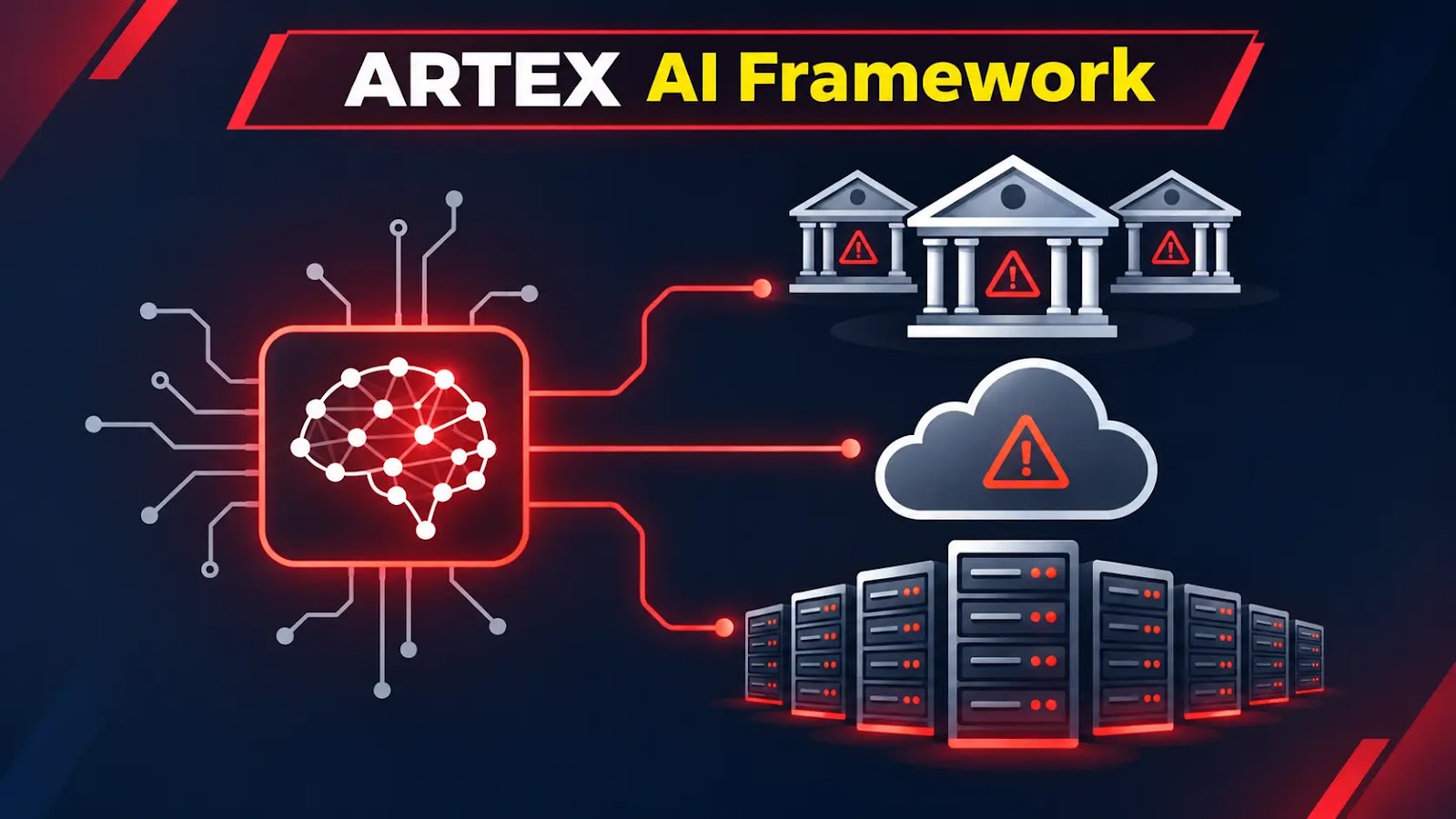
A recent report by Industrial Cyber highlights an FBI warning about hackers weaponizing the ARTEX AI framework to automate cyberattacks targeting energy, manufacturing, and telecommunications organizations. The reported development raises concerns about the potential misuse of AI-driven automation against industries that support essential services, industrial operations, and global communications.
The concern extends beyond traditional malware and ransomware incidents. AI-assisted tools could potentially help threat actors automate selected attack activities, identify potential weaknesses, and coordinate operations with less manual intervention. For organizations operating complex industrial networks, these developments reinforce the importance of maintaining strong cybersecurity defenses and preparing for increasingly sophisticated threats.

Artificial intelligence frameworks are designed to support the development and operation of AI-powered applications. Depending on their capabilities, these frameworks may help automate tasks, process information, analyze data, and coordinate different software functions.
However, technologies developed for legitimate purposes can also become attractive to cybercriminals.
The Industrial Cyber report describes concerns about hackers weaponizing the ARTEX AI framework to automate malicious cyber activities. This distinction is important: the security concern involves the reported misuse of an AI framework, rather than simply the existence of an AI platform.
When threat actors incorporate automation into their operations, they may be able to reduce the amount of manual work required to perform certain activities. This could make cyber operations more efficient and potentially increase the number of targets they can examine or attempt to compromise.
It is important to note that the specific technical capabilities of ARTEX, the identity of the threat actors, and the exact methods associated with the reported activity should be established through official advisories and technical investigations rather than assumptions about AI technology in general.

Warnings from federal law enforcement agencies are important because they help organizations understand emerging threats and assess whether their existing security controls are sufficient.
The reported FBI warning is particularly significant because it concerns industries that provide essential services and support interconnected infrastructure.
Unlike attacks targeting individual computers or personal accounts, cyber incidents involving industrial environments can have consequences that extend beyond the affected organization. A disruption to an energy provider, manufacturing facility, or telecommunications network could affect customers, suppliers, business partners, and other connected services.
The possibility of AI-assisted automation adds another layer of concern. Organizations must consider whether their security teams can detect suspicious activity quickly enough, investigate potential compromises, and contain incidents before they affect critical operations.
For security professionals, the warning also highlights the need to monitor developments involving AI-enabled tools rather than focusing exclusively on conventional malware families and known attack techniques.
Critical infrastructure organizations face cybersecurity challenges that differ from those of many ordinary businesses. Their environments often contain a combination of traditional IT systems, specialized industrial equipment, remote connections, and operational technologies.
These systems are frequently interconnected to support real-time operations, production processes, monitoring, and communication.
While connectivity improves efficiency, it can also introduce additional security risks when systems are not properly configured or protected.
Several factors make critical infrastructure particularly attractive to cybercriminals:
Operational importance: Disruptions can affect essential services and business continuity.
Complex networks: Large environments may contain thousands of connected devices, applications, and endpoints.
Legacy technology: Some industrial systems operate on older technologies that may be difficult to update or replace.
Remote connectivity: Remote administration and third-party access can introduce additional entry points.
Interconnected operations: A security incident affecting one organization may create consequences for suppliers and connected service providers.

The reported targeting of energy, manufacturing, and telecommunications sectors demonstrates why industrial cybersecurity requires a coordinated approach that considers both digital security and operational safety.
Energy infrastructure plays a central role in modern society. Electricity generation, transmission, distribution, and related services support residential communities, businesses, hospitals, transportation, and industrial facilities.
A cyber incident affecting energy organizations could potentially disrupt operational systems, compromise sensitive information, or interfere with the availability of essential services.
Many energy environments use operational technology (OT), including industrial control systems (ICS) and supervisory control and data acquisition (SCADA) technologies.
These systems are designed to monitor and control physical processes. Unlike ordinary office computers, they may interact directly with equipment responsible for power generation, distribution, and other industrial operations.
Protecting these environments requires more than conventional antivirus software. Organizations should implement network segmentation, strict access management, continuous monitoring, vulnerability assessments, and tested incident response procedures.
The potential misuse of AI-assisted automation reinforces the need to identify suspicious activity across both IT and OT environments.
Manufacturing companies increasingly rely on connected production systems, industrial automation, robotics, enterprise applications, and supply chain platforms.
These technologies improve productivity and operational efficiency, but they also increase the importance of securing interconnected systems.
A successful cyberattack against a manufacturing organization could result in production interruptions, delayed deliveries, compromised intellectual property, financial losses, and damage to business relationships.
In some environments, attackers may also attempt to access systems connected to production equipment or industrial control technologies.
Manufacturers should therefore pay close attention to the security of their entire technology environment, including:
Production networks and industrial control systems.
Employee workstations and business applications.
Remote access services used by employees and contractors.
Third-party software and supply chain connections.
Backup systems and recovery infrastructure.
Organizations should also maintain clear procedures for isolating affected systems without unnecessarily disrupting essential manufacturing processes.
Telecommunications infrastructure supports internet access, mobile communications, cloud connectivity, enterprise networking, and numerous digital services.
Because these services connect individuals, businesses, and other critical infrastructure providers, disruptions can have consequences across multiple industries.
Cybercriminals targeting telecommunications organizations may seek unauthorized access to sensitive systems, customer information, network infrastructure, or administrative environments.
Potential risks include service interruptions, data exposure, unauthorized access, and operational disruption.
Strong identity controls, network monitoring, vulnerability management, secure configuration, and incident response planning are essential for protecting telecommunications environments.
The reported ARTEX-related warning also highlights why telecommunications providers should evaluate emerging threats involving automation and AI-assisted cyber operations.
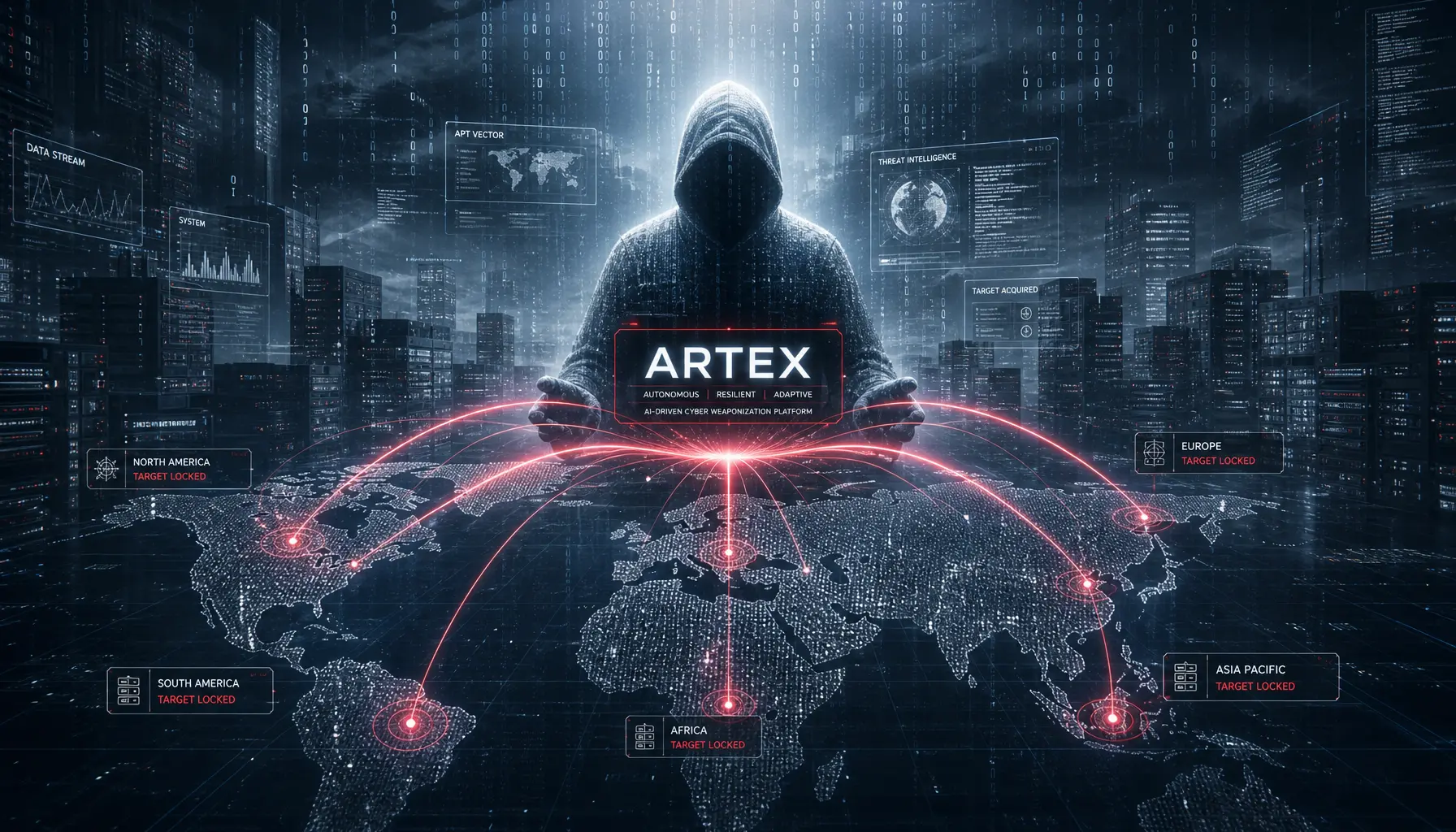
One of the broader cybersecurity concerns surrounding AI is its ability to automate tasks that previously required significant human involvement.
In legitimate environments, automation can help security professionals analyze information, identify suspicious patterns, and respond to incidents more efficiently.
In the hands of malicious actors, similar capabilities could potentially be misused.
The following examples describe general AI-related cybersecurity risks. They are not confirmed technical capabilities of ARTEX or verified attack techniques from the reported incident.
1. Automated Reconnaissance
Attackers may use automation to collect and organize publicly available information about potential targets. This information could help them understand an organization's digital footprint and identify systems that require further investigation.
2. Vulnerability Discovery
AI-assisted tools may support the analysis of software configurations, exposed services, and known vulnerabilities. Automated analysis could help attackers prioritize systems they believe may be easier to compromise.
3. More Convincing Phishing Campaigns
Generative AI can help create realistic messages, adapt language, and personalize communication. This may increase the difficulty of identifying fraudulent emails and social engineering attempts.
4. Faster Analysis of Collected Information
Automation can help process large amounts of information and identify patterns that would otherwise take longer to review manually.
5. Coordination of Malicious Activities
Depending on the technology involved, automated workflows could coordinate selected tasks across different stages of a cyber operation.
These possibilities demonstrate why organizations must evaluate AI-related risks as part of their broader cybersecurity strategy.
One of the most important lessons for critical infrastructure organizations is that IT security and OT security must work together.
Information technology systems generally support business functions such as email, financial applications, databases, and employee collaboration.
Operational technology systems, meanwhile, monitor and control physical equipment and industrial processes.
Although these environments have different priorities, they are increasingly interconnected.
An attacker who compromises an ordinary business network may attempt to move toward more sensitive systems if network boundaries and access controls are inadequate.
Organizations should consider implementing the following safeguards:
Separate IT and OT networks through appropriate segmentation.
Restrict access to industrial control systems.
Require multi-factor authentication for sensitive accounts.
Monitor remote access and third-party connections.
Maintain an accurate inventory of connected devices.
Apply security patches through carefully tested maintenance procedures.
Monitor unusual network activity and unauthorized configuration changes.
Establish recovery procedures for essential operational systems.
These controls can help reduce the likelihood that an initial compromise will spread into more sensitive environments.

The reported ARTEX development is a useful reminder that cybersecurity programs must evolve alongside emerging technologies.
Organizations do not need to wait for a confirmed attack before reviewing their defenses. Proactive security assessments can help identify weaknesses before they are exploited.
Here are several important measures businesses should prioritize.
1. Strengthen Identity and Access Management
Use multi-factor authentication, strong password policies, and least-privilege access. Employees and contractors should only receive permissions necessary for their responsibilities.
2. Improve Endpoint Protection
Deploy endpoint detection and response (EDR) solutions where appropriate. These tools can help security teams identify suspicious processes, unusual behavior, and potential compromise indicators.
3. Maintain Continuous Network Monitoring
Monitor network traffic, login activity, system changes, and connections involving sensitive infrastructure. Establish alerts for unusual behavior that may indicate unauthorized access.
4. Prioritize Vulnerability Management
Maintain an inventory of hardware and software assets. Regularly assess vulnerabilities and prioritize remediation based on risk, exposure, and operational impact.
5. Secure Remote Access
Review remote access arrangements, disable unnecessary services, and require strong authentication for external connections.
6. Train Employees Against Social Engineering
Educate employees about phishing, suspicious attachments, fraudulent links, and impersonation attempts. Human awareness remains an important part of organizational security.
7. Protect and Test Backups
Maintain secure backups of important information and critical systems. Test recovery procedures regularly to confirm that data and services can be restored when needed.
8. Develop and Test an Incident Response Plan
Define responsibilities for security teams, management, IT personnel, and operational staff. Conduct exercises that simulate realistic cyber incidents.
9. Review Third-Party and Supply Chain Security
Evaluate vendors, service providers, contractors, and software suppliers that have access to organizational networks or sensitive information.
10. Establish an AI Security Policy
Organizations should define acceptable uses of AI tools, restrict access to sensitive information, and evaluate potential risks associated with AI-enabled applications and automated workflows.
The reported FBI warning should encourage organizations to look beyond traditional assumptions about cyber threats.
Cybersecurity is no longer only about preventing viruses, blocking malicious websites, or installing antivirus software. Modern security programs must account for identity-based attacks, interconnected infrastructure, cloud environments, supply chain exposure, and emerging AI-assisted threats.
Organizations should also recognize that automation can affect both attackers and defenders.
While AI can help security professionals analyze threats and improve response times, organizations must ensure that their security controls are capable of identifying suspicious automated behavior.
For businesses operating in critical infrastructure sectors, the priority should be maintaining visibility across networks, limiting unnecessary access, protecting sensitive systems, and ensuring that security incidents can be contained quickly.
The FBI warning highlighted in Industrial Cyber's report about the reported weaponization of the ARTEX AI framework underscores the growing importance of AI-related cybersecurity risks.
With energy, manufacturing, and telecommunications identified as potential targets, the development deserves attention from organizations responsible for protecting essential services and industrial operations.
AI technology can improve productivity, strengthen security operations, and support innovation. However, its misuse may introduce additional challenges for organizations that depend on connected systems and critical infrastructure.
Businesses should respond by strengthening access controls, improving network monitoring, securing IT and OT environments, maintaining reliable backups, and preparing effective incident response plans.
The cybersecurity landscape will continue to evolve as AI becomes more widely adopted. Organizations that invest in proactive defense, employee awareness, and continuous security improvements will be better positioned to manage emerging threats and protect their operations.
 Like
0
 Dislike
0
 Love
0
 Funny
0
 Angry
0
 Sad
0
 Wow
0