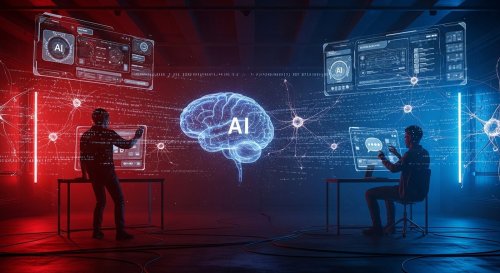
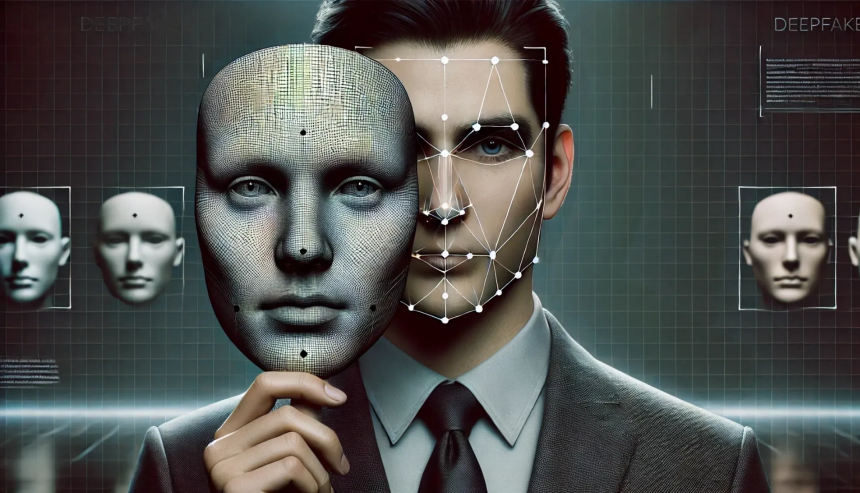
Artificial intelligence (AI) has transformed how people create, share, and interact with digital content. From realistic images and computer-generated voices to convincing videos, AI tools can now produce media that closely resembles real people and events. While these technologies offer opportunities for entertainment, education, filmmaking, and communication, they also create serious challenges for digital privacy and personal security. One of the most concerning developments is the rise of deepfakes.
Deepfakes are AI-generated or AI-manipulated images, audio recordings, and videos that make people appear to say or do things they never actually said or did. As these technologies become more accessible, the risk of identity misuse, online scams, harassment, and reputational damage continues to grow. Understanding how deepfakes work and how to protect personal information is increasingly important for anyone who uses the internet.
Deepfakes are synthetic or manipulated digital media created using artificial intelligence, particularly machine learning techniques that can analyze and reproduce patterns in images, voices, and human behavior. These systems can generate realistic content by learning from examples such as photographs, video recordings, and audio samples.
For example, a deepfake video may place one person's face onto another person's body, making it appear that the individual participated in an event they never attended. AI voice-cloning tools can imitate a person's speaking style and vocal characteristics using recordings of their voice. Other tools can generate realistic images of people who do not exist.
Not all AI-generated content is harmful. Deepfake technology can support film production, visual effects, dubbing, accessibility, and creative projects. The main concern arises when synthetic media is used to deceive others, impersonate individuals, spread false information, or violate someone's privacy without consent.
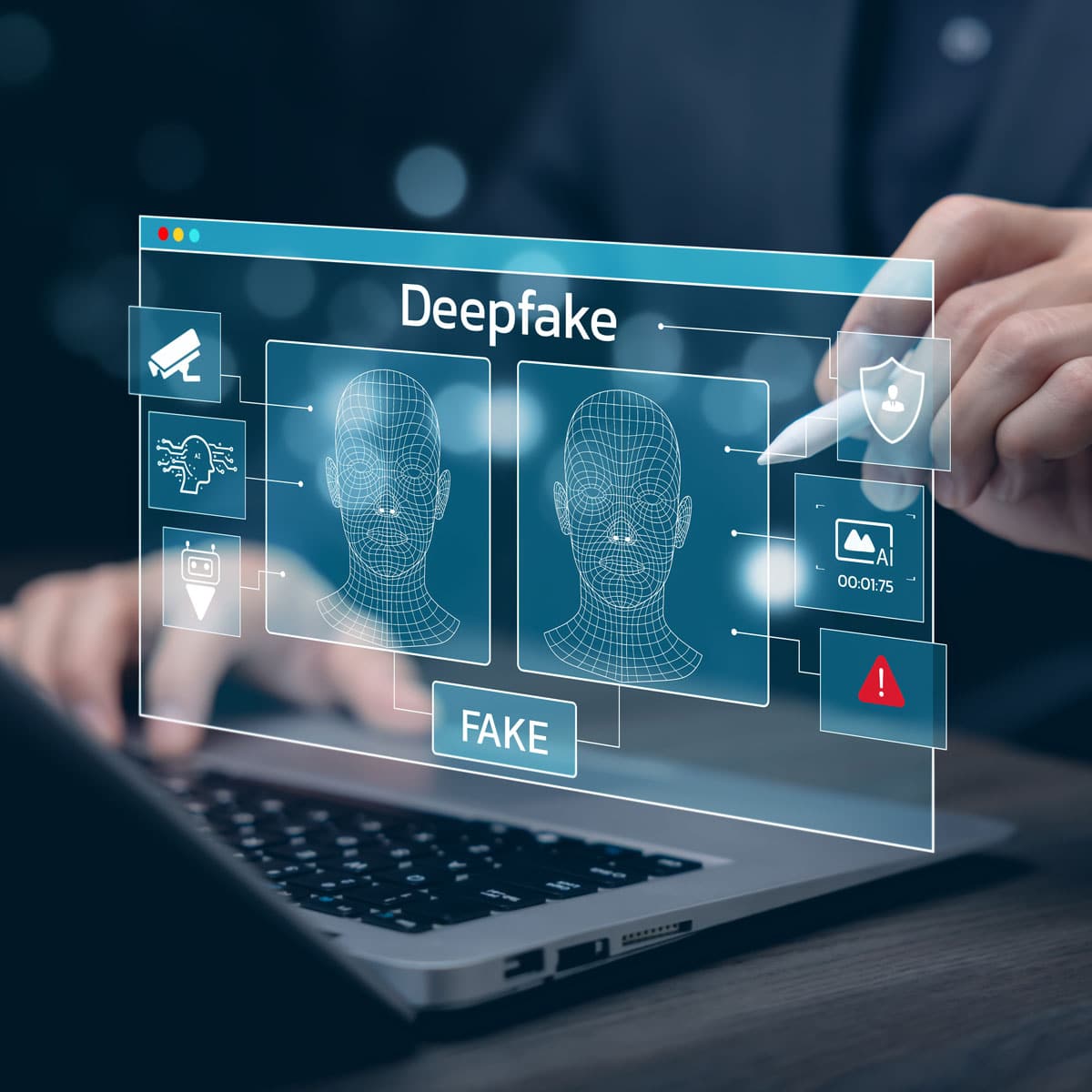
Deepfake creation often involves machine learning models trained to identify patterns in large amounts of digital data. Depending on the method, these models can generate new content or modify existing images, videos, and audio recordings.
Face-swapping systems, for example, analyze facial features, expressions, and movements before generating an altered image or video. Voice-cloning systems learn characteristics such as pitch, pronunciation, rhythm, and tone to produce speech that resembles a particular person's voice. Generative AI models can also create entirely synthetic images, voices, and scenes from text prompts or reference materials.
The growing availability of AI applications has made some forms of synthetic media easier to produce without advanced technical knowledge. Content that once required specialized equipment and extensive editing skills can now be generated using consumer software and online platforms.
However, the quality of deepfakes varies. Some contain visible inconsistencies, while others can appear convincing even to attentive viewers. As AI technology advances, relying on visual appearance or sound alone becomes an increasingly unreliable way to determine whether digital content is authentic.
Digital privacy involves protecting personal information and maintaining control over how that information is collected, used, and shared. Deepfakes threaten these protections because personal images, videos, and voice recordings can become raw material for AI-generated impersonation.
Photographs uploaded to social media, public video recordings, livestreams, and voice messages may provide examples that can be used to imitate an individual. The availability of such material does not automatically mean that someone has permission to use it to create a deepfake.
One major concern is the loss of control over personal identity. A person may discover that their face or voice has been used in content they never approved. Even when the material is fabricated, viewers may believe it is authentic, particularly if it is distributed through familiar accounts or presented without clear disclosure.
Deepfakes can also expose individuals to harassment, blackmail, fraud, and emotional distress. Non-consensual sexual deepfakes are especially harmful because they exploit a person's identity and likeness without permission. Victims may experience damage to their reputation, relationships, professional opportunities, and sense of security.
These risks demonstrate why digital privacy must include not only the protection of personal information but also safeguards against the unauthorized use of a person's image, voice, and identity.
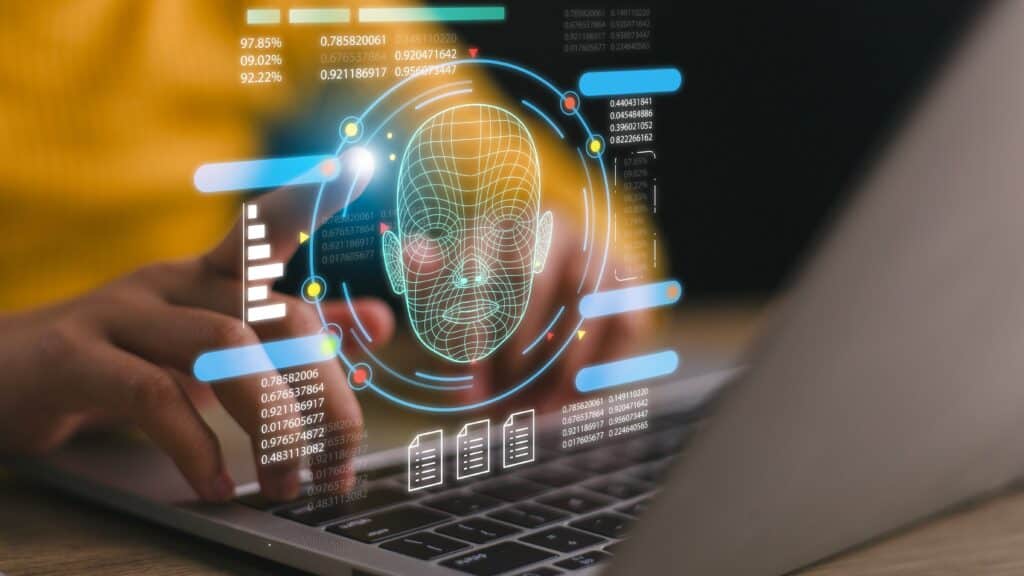
One of the most serious applications of deepfake technology is impersonation for financial fraud. Cybercriminals can use AI-generated voices or videos to make fraudulent requests appear to come from trusted individuals, including family members, employers, managers, or business partners.
For example, a scammer might use a cloned voice to call someone and claim to be a relative who urgently needs money. In a workplace scenario, an employee might receive a video call that appears to show a company executive requesting an emergency payment or confidential information.
These attacks exploit trust and urgency rather than relying only on technical vulnerabilities. People may feel pressured to respond quickly, especially when the request appears to come from someone they know or respect.
Deepfakes can also support phishing campaigns, fraudulent investment promotions, fake endorsements, and misleading advertisements. A fabricated video featuring a public figure may be used to make a fraudulent product or financial opportunity appear legitimate.
To reduce the risk of these scams, individuals should independently verify unusual requests, especially those involving money, passwords, verification codes, or confidential documents. Contact the person through a separate, trusted communication channel rather than relying on the suspicious call or message itself.

Deepfakes can influence public opinion by making fabricated statements or events appear authentic. A manipulated video may falsely portray a public figure making an offensive statement, a professional behaving unethically, or an individual participating in an event that never happened.
When such content spreads rapidly through social media, it can be difficult to correct the false impression. People may share a video before checking its source, allowing misinformation to reach a large audience in a short period.
The effects can extend beyond public figures. Students, employees, teachers, business owners, and ordinary internet users may become targets of fabricated content. Even after a deepfake is exposed, copies may remain online, and some viewers may continue believing the original claim.
This creates a significant challenge for digital reputation management. A person's online identity can be damaged not only by genuine posts and actions but also by false content created and distributed by others.
Responsible online behavior includes checking the original source of a video, looking for independent reporting, avoiding the immediate sharing of shocking content, and correcting misinformation when reliable evidence becomes available.
Although some deepfakes are difficult to identify, certain clues may indicate that an image, video, or recording has been manipulated. These signs are useful starting points, but none is conclusive on its own.
Unnatural facial movements: Some manipulated videos may show unusual blinking, inconsistent facial expressions, or movements that do not match the person's speech.
Audio and video inconsistencies: The movement of the lips may not align naturally with the spoken words. Background sounds, voice quality, or changes in tone may also seem inconsistent.
Visual irregularities: Watch for unusual edges around the face, inconsistent lighting, distorted teeth, unnatural shadows, or sudden changes in facial appearance between frames.
Unusual requests or behavior: A person may appear or sound authentic while asking for money, sensitive information, or immediate action that is inconsistent with their usual behavior.
Unreliable sources: Content posted by anonymous accounts, unfamiliar websites, or pages with a history of misinformation deserves additional scrutiny, particularly when no credible source confirms the event.
However, modern AI tools can reduce many obvious visual and audio errors. Genuine recordings can also contain poor lighting, compression artifacts, or unusual expressions. Therefore, the most reliable approach combines technical examination with source verification and independent confirmation.
Protecting yourself from deepfakes begins with managing your digital presence and adopting habits that make identity misuse more difficult.
Review the photographs, videos, and voice recordings available on your social media accounts. Consider restricting access to personal content and removing material that reveals sensitive details. Avoid publishing unnecessary information about your home, workplace, daily routine, or family members.
Reducing public exposure may limit the material available to potential impersonators, although it cannot guarantee protection. Content already copied or downloaded by others may continue circulating even after the original post is removed.
Use strong, unique passwords for important accounts and enable multifactor authentication whenever possible. Secure your email account first because it may be used to reset passwords for other services.
Keep your operating system, browser, and applications updated. Software updates often address security weaknesses that attackers could exploit to access accounts or personal files.
Account security will not prevent every deepfake, but it can help protect the personal information and communication channels that criminals may use in impersonation attempts.
Establish a habit of independently confirming unusual requests. If someone contacts you using a familiar voice or video image and asks for money, confidential information, or urgent assistance, contact that person using a known phone number or another trusted channel.
Families and workplaces can also agree on verification procedures for emergencies and financial transactions. A private verification phrase may help in some situations, but it should not replace independent confirmation, particularly if the phrase could be exposed.
Before uploading photographs, recordings, or other personal information to an AI platform, review its privacy policy and data-handling practices. Check whether the service stores uploaded material, uses it to improve its models, allows deletion, or shares information with third parties.
Avoid uploading sensitive images, identification documents, private conversations, or other confidential material to services you do not trust. When possible, choose reputable applications with clear privacy controls and transparent policies.
Some tools analyze images, audio, and video for signs of AI generation or manipulation. Digital forensic specialists may also examine metadata, file histories, inconsistencies, and the original source of a recording.
These methods can help assess suspicious content, but AI-detection systems are not perfectly reliable. They may incorrectly flag genuine content or fail to detect sophisticated manipulation. A detection result should therefore be treated as one piece of evidence rather than absolute proof.
Before forwarding a shocking video or recording, verify its origin and check whether reputable sources have confirmed the event. Reverse-image search, original-source searches, and reliable news reports can help establish context.
Sharing a suspected deepfake without verification may unintentionally amplify misinformation and harm the person being impersonated.
Discovering a deepfake involving your identity can be upsetting. Acting carefully can help preserve evidence, limit further distribution, and support a request for removal.
First, document the content. Save screenshots, relevant URLs, usernames, dates, and messages associated with the material. Preserve original files when lawfully available, but avoid redistributing harmful content unnecessarily.
Next, report the content to the platform where it appears. Many online services have reporting procedures for impersonation, harassment, manipulated media, and non-consensual intimate imagery. Provide clear information explaining why the content is false or unauthorized.
Secure your accounts, particularly if the incident involves account compromise, suspicious login activity, or stolen personal information. Change compromised passwords, enable multifactor authentication, and review account recovery settings.
If the deepfake is being used for fraud, blackmail, threats, or other potentially criminal conduct, consider contacting law enforcement or the appropriate authorities. Seek qualified legal advice when necessary, especially if the content is causing significant personal or professional harm.
In the Philippines, individuals may also seek guidance from the National Privacy Commission when a matter involves personal data protection and falls within its mandate. Depending on the circumstances, other authorities may be relevant, particularly for cybercrime, threats, fraud, or non-consensual intimate content.
Avoid confronting suspected perpetrators if doing so could increase the risk to your safety. Instead, preserve evidence and use appropriate reporting channels.
Artificial intelligence is not only responsible for creating deepfakes; it can also help identify manipulated media. Detection systems can analyze visual patterns, audio characteristics, inconsistencies between frames, and other signals that may indicate synthetic content.
Researchers and technology companies are also developing methods to improve content provenance. These approaches can include cryptographically signed records, digital credentials, and metadata that help establish where a piece of media originated and whether it has been modified.
Some systems use watermarking to identify AI-generated content. However, watermarks may be removed, damaged during editing, or absent from content created by other tools. Metadata can also be stripped when files are uploaded or converted.
No single detection method can solve the deepfake problem. Effective protection requires a combination of technical safeguards, transparent AI practices, media literacy, platform accountability, and appropriate legal protections.
Users should also understand the limits of automated detection. A video should not be declared fake simply because a detector produces a suspicious result, nor should it be considered genuine just because a detection tool fails to identify manipulation.
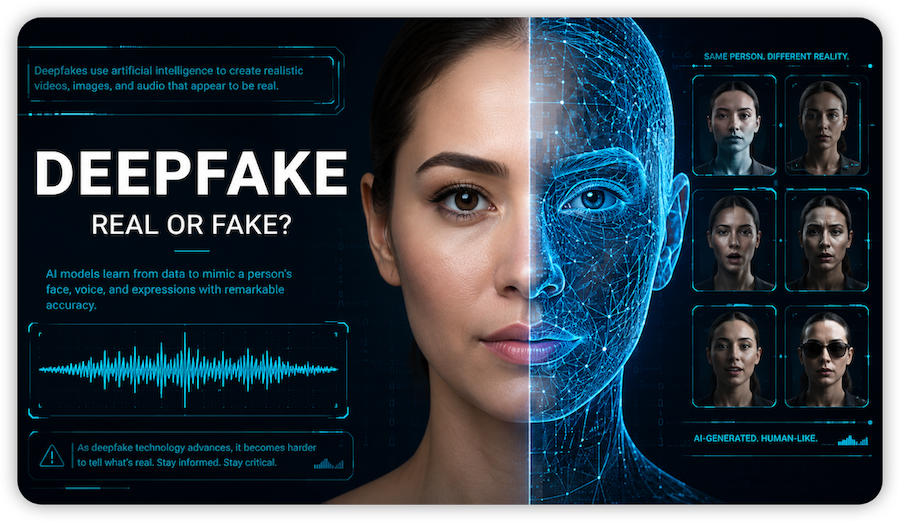
Deepfakes represent a growing challenge for digital privacy in an age when artificial intelligence can imitate human faces, voices, and behavior with increasing realism. Although these tools have legitimate creative and professional uses, they can also enable identity theft, fraud, harassment, misinformation, and reputational damage when used irresponsibly.
Protecting your identity requires more than recognizing unusual facial movements or suspicious audio. It involves limiting unnecessary exposure of personal information, securing online accounts, verifying unusual requests, using AI tools responsibly, and reporting harmful content through appropriate channels.
Technology companies, policymakers, organizations, and individual users all have a role in addressing the risks associated with synthetic media. As AI continues to develop, digital literacy and responsible online behavior will become even more important.
Ultimately, your face, voice, and personal identity are valuable parts of your digital presence. Understanding how deepfakes work and taking practical steps to protect yourself can help you navigate the online world more safely and confidently.
 Like
0
Like
0
 Dislike
0
Dislike
0
 Love
0
Love
0
 Funny
0
Funny
0
 Angry
0
Angry
0
 Sad
0
Sad
0
 Wow
0
Wow
0