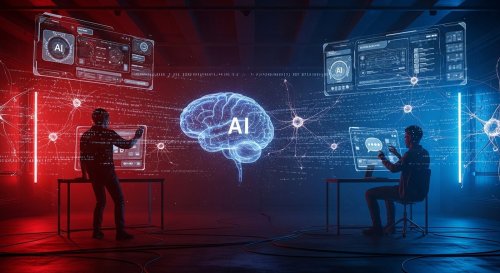
Cybersecurity is becoming a race between attackers searching for software weaknesses and defenders trying to identify and fix them. Artificial intelligence (AI) is changing this race by allowing security systems to analyze large amounts of code, detect suspicious patterns, and identify potential vulnerabilities much faster than traditional manual methods.
The term “zero-day machines” can describe AI-powered systems that accelerate vulnerability discovery. While it is not a specific product or formal technical category, it represents a growing concern in cybersecurity: AI may allow previously unknown vulnerabilities to be discovered at a much greater speed and scale.
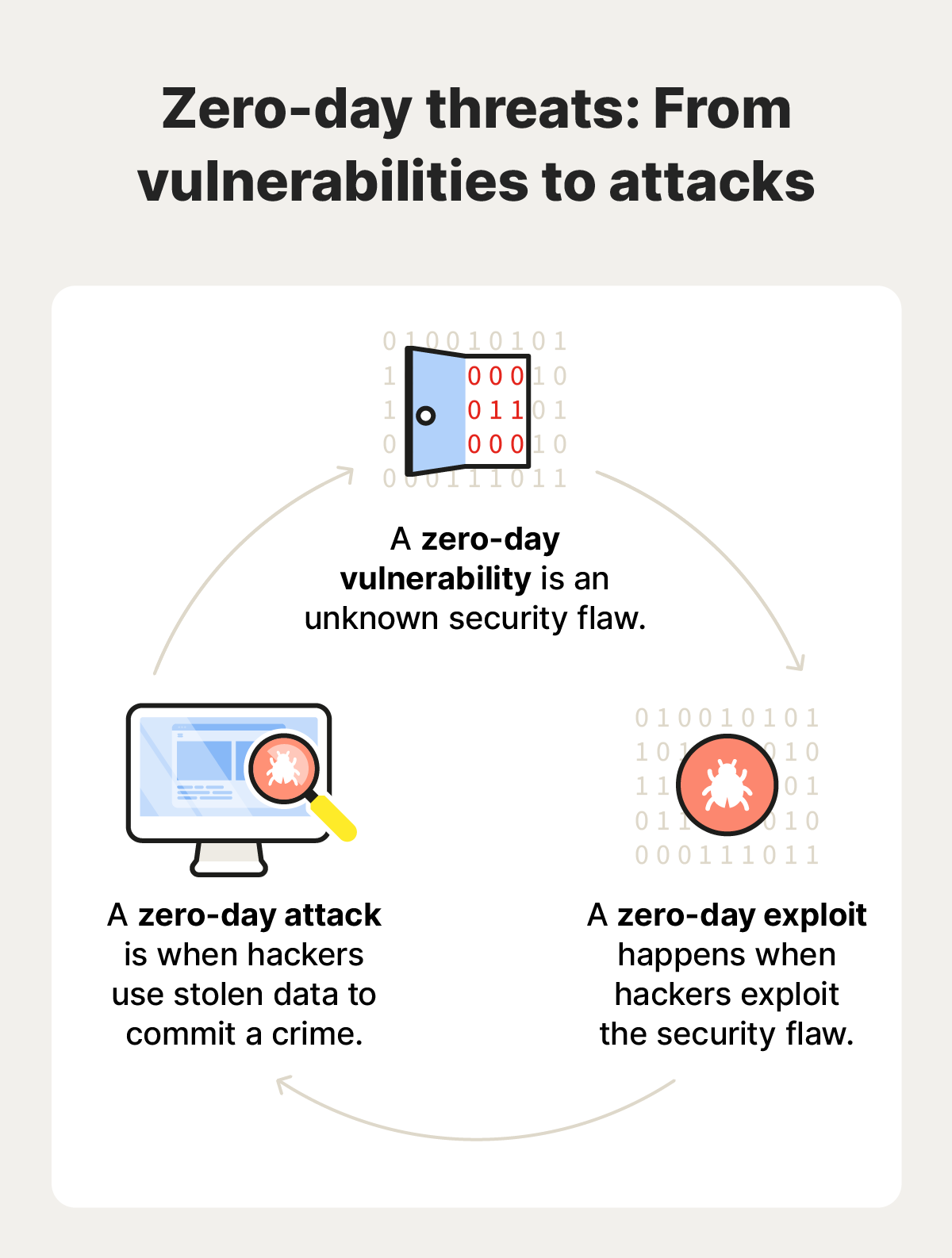
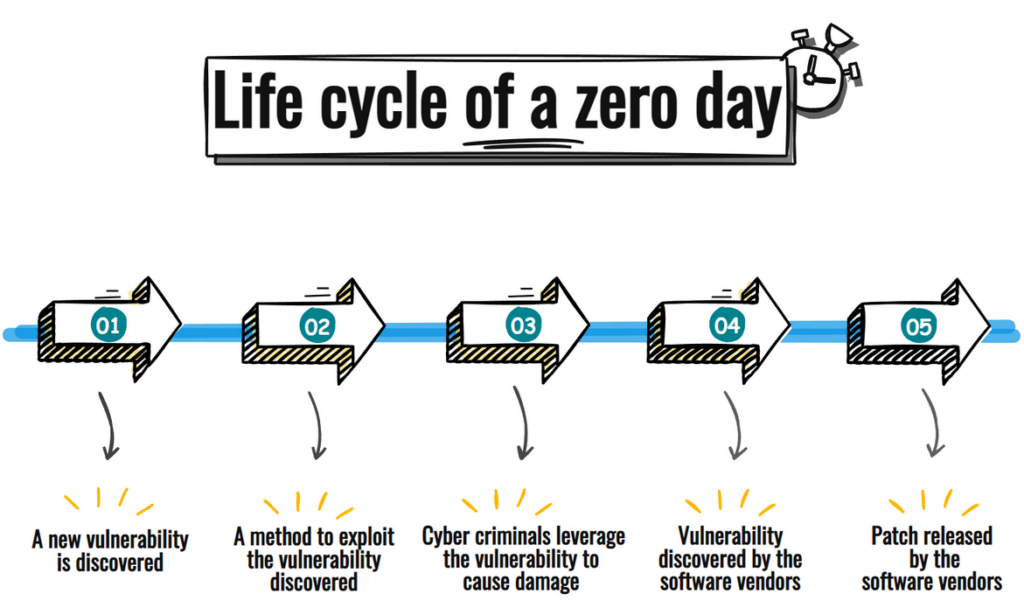
A zero-day vulnerability is a security weakness that is unknown to the software developer or has not yet been patched. Because developers have little or no time to respond, attackers who discover such a weakness may have an opportunity to exploit affected systems before a security update becomes available. It is also a security flaw or bug in software, hardware, or firmware that is unknown to the vendor or developer responsible for fixing it.
Zero-day vulnerabilities can affect operating systems, applications, browsers, drivers, network devices, and other software used by individuals and organizations.
The term "zero-day" refers to the amount of time the developers have had to create a patch or defense: zero days. Because the vendor doesn't know the flaw exists, no security patch is available to protect users.
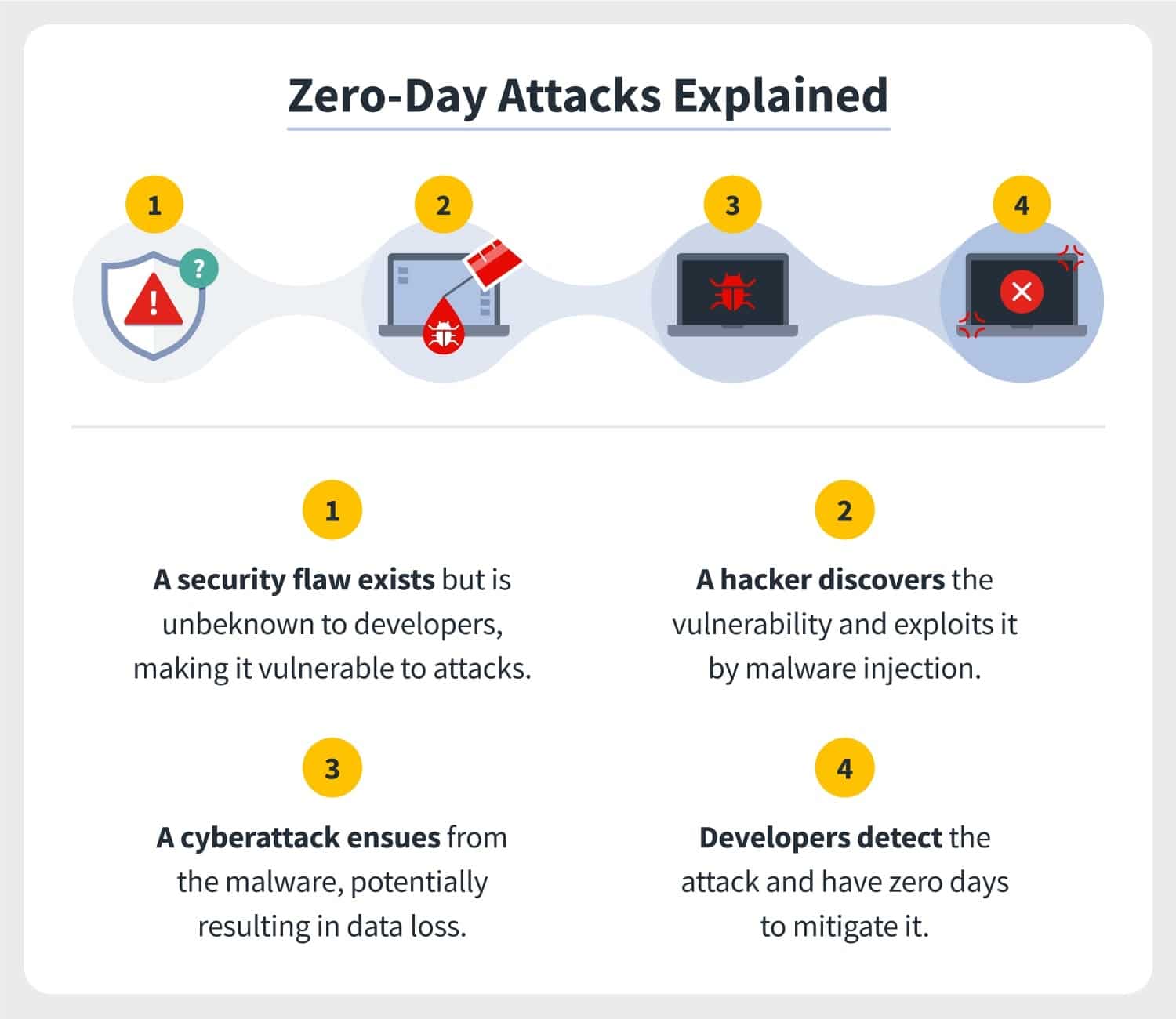
To understand zero-days, it helps to distinguish three closely related terms:
AI can help security researchers analyze enormous amounts of source code and identify patterns that may indicate security weaknesses. It can also assist with automated testing, code analysis, and the review of unusual program behavior.
Another important application is fuzzing, where software is tested with unexpected or malformed inputs. AI can help create more targeted test cases, potentially reaching parts of an application that traditional testing may not examine.
AI can also assist with analyzing crashes and other unusual behavior. A crash does not necessarily indicate a security vulnerability, but automated analysis can help researchers determine which issues warrant further investigation.
The biggest concern is not simply that AI can discover vulnerabilities—it is how quickly it may be able to do so.
If security researchers discover a vulnerability first, they can report it to the developer and help create a patch. If attackers discover it first, they may attempt to exploit vulnerable systems before users have an opportunity to install a security update.
This creates an increasingly important competition between AI-assisted defenders and AI-assisted attackers.
AI is not only a threat. Security teams can use the same technology to strengthen their defenses. AI can assist with vulnerability scanning, threat detection, malware analysis, security monitoring, incident response, and patch prioritization.
For organizations managing thousands of computers and applications, automated analysis can help security teams identify problems that might otherwise be missed.
However, AI-generated findings still require human review. Not every suspicious piece of code is actually vulnerable, and security professionals need to determine the real-world impact of potential weaknesses.

As vulnerability discovery becomes faster, keeping software updated becomes even more important. Developers regularly release security patches to fix known vulnerabilities, but those updates only protect users after they are installed.
Windows users should regularly update Windows, web browsers, applications, drivers, and other commonly used software. Unused applications should also be removed because unnecessary software can increase the number of components that need to be maintained and secured.
Drivers should be downloaded from trusted sources, preferably the official website of the computer or hardware manufacturer.
Individual users can reduce their exposure to cybersecurity threats by following basic security practices. Keep Windows and applications updated, use reputable security software, enable a firewall, use strong passwords and multifactor authentication where available, and maintain backups of important files.
It is also important to be careful with email attachments, suspicious links, pirated software, and downloads from unknown websites. Many attacks do not require a highly sophisticated zero-day exploit; basic security mistakes can still provide attackers with an entry point.
AI-powered security research is likely to become more capable as the technology develops. Future systems may analyze complex software, identify subtle vulnerabilities, and continuously monitor applications for potential security problems.
This could make cybersecurity more proactive, allowing vulnerabilities to be discovered and fixed earlier. At the same time, organizations must recognize that attackers may also benefit from these advances.
The traditional assumption that a vulnerability will remain hidden simply because it has not been discovered yet may become increasingly unreliable.

Zero-day machines represent the growing impact of AI on vulnerability discovery. AI can help security researchers find weaknesses faster, but it can also potentially give attackers new capabilities. The result is a cybersecurity environment where speed, monitoring, and rapid patching are becoming increasingly important.
For everyday Windows users, one of the best defenses is maintaining a properly updated and healthy PC. Regularly update Windows, drivers, and applications, remove unnecessary software, maintain backups, and use reliable security tools.
Tools such as Advanced System Repair can complement regular PC maintenance by helping identify and address common Windows system issues. While no maintenance tool can replace security updates or dedicated cybersecurity protection, keeping your system maintained can contribute to a more stable and secure computing environment.
As AI continues to accelerate vulnerability discovery, staying informed and keeping your software updated may be more important than ever.
 Like
0
Like
0
 Dislike
0
Dislike
0
 Love
0
Love
0
 Funny
0
Funny
0
 Angry
0
Angry
0
 Sad
0
Sad
0
 Wow
0
Wow
0