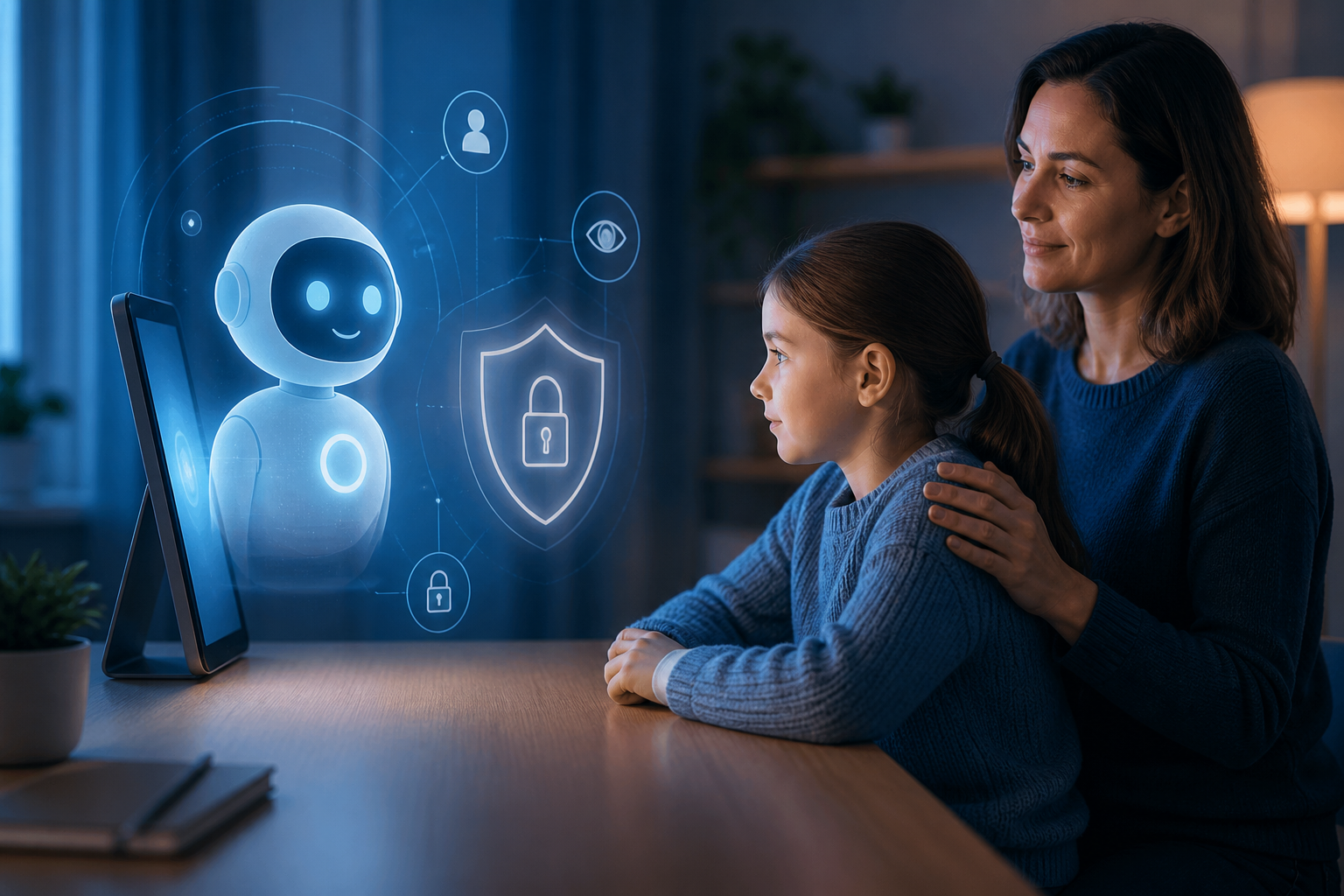

The internet has become an essential part of modern life, offering children countless opportunities to learn, communicate, and explore. From educational resources and virtual classrooms to games and social media platforms, the digital world can be both exciting and beneficial. However, it also comes with risks that parents should understand and address.
Helping children develop safe online habits is one of the most important responsibilities parents face in today's technology-driven world. By taking a proactive approach, families can enjoy the benefits of the internet while minimizing potential dangers.

Before guiding children, parents should be aware of common online threats, including:
Understanding these risks allows parents to have informed discussions with their children and establish appropriate safeguards.
One of the most effective ways to protect children online is by maintaining open and honest communication.
Encourage your child to:
When children feel comfortable discussing online issues, parents are more likely to identify problems before they escalate.
Children may not fully understand how personal information can be misused online.
Teach them never to share:
Explain that once information is shared online, it can be difficult or impossible to remove completely.
Strong passwords are a basic but critical defense against unauthorized access.
Encourage children to:
Parents can also consider using a reputable password manager to help secure login credentials.
Many devices, apps, and internet services offer parental control features.
These tools can help:
While parental controls are helpful, they should complement—not replace—ongoing conversations about online safety.
Social media can help children connect with friends and express themselves, but it also introduces privacy and security concerns.
Parents should encourage children to:
Teaching responsible digital citizenship helps children build a positive online presence.
Excessive screen time can affect sleep, academic performance, physical activity, and mental well-being.
Consider:
The goal is not to eliminate technology but to help children use it responsibly.
Children often model the behaviors they observe.
Parents can set a positive example by:
When children see responsible digital behavior at home, they are more likely to adopt similar habits themselves.
The digital landscape changes rapidly. New apps, games, and online trends emerge regularly.
Parents should make an effort to:
Remaining informed helps parents provide relevant guidance and support.
Helping children navigate the online world safely requires a combination of education, communication, supervision, and trust. By teaching responsible digital habits early and maintaining ongoing conversations about online experiences, parents can empower their children to enjoy the benefits of technology while staying safe and secure.
The internet is a powerful tool for learning and connection. With the right guidance, children can develop the skills they need to navigate the digital world confidently and responsibly.
 Like
0
Like
0
 Dislike
0
Dislike
0
 Love
0
Love
0
 Funny
0
Funny
0
 Angry
0
Angry
0
 Sad
0
Sad
0
 Wow
0
Wow
0