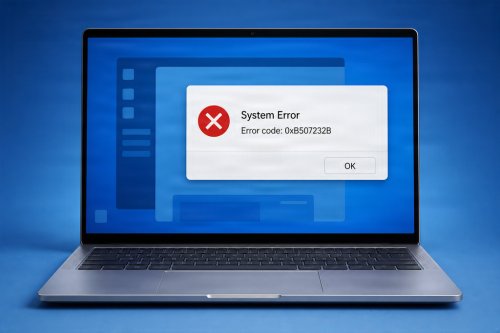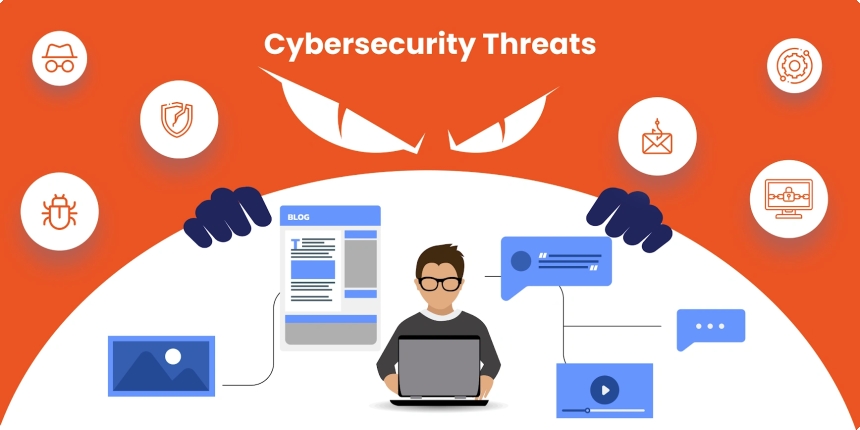
As technology continues to develop, computers, smartphones, and the internet have become an important part of everyday life. People use technology for studying, working, shopping, communicating, banking, and entertainment. However, as our dependence on technology grows, so do the risks associated with it.
Cybersecurity is the practice of protecting computers, networks, programs, and data from unauthorized access, damage, theft, and other online threats. In 2026, cybersecurity remains an important concern because cybercriminals continue to develop new ways to attack individuals, businesses, schools, and organizations.

Cybersecurity refers to the methods and technologies used to protect digital systems and information. Its main goals include keeping information confidential, preventing unauthorized changes, and making sure systems remain available when they are needed.
Cybersecurity is not only the responsibility of IT professionals. Ordinary computer users also play an important role. Simple actions such as using strong passwords, updating software, and recognizing suspicious messages can reduce the risk of becoming a victim of cybercrime.
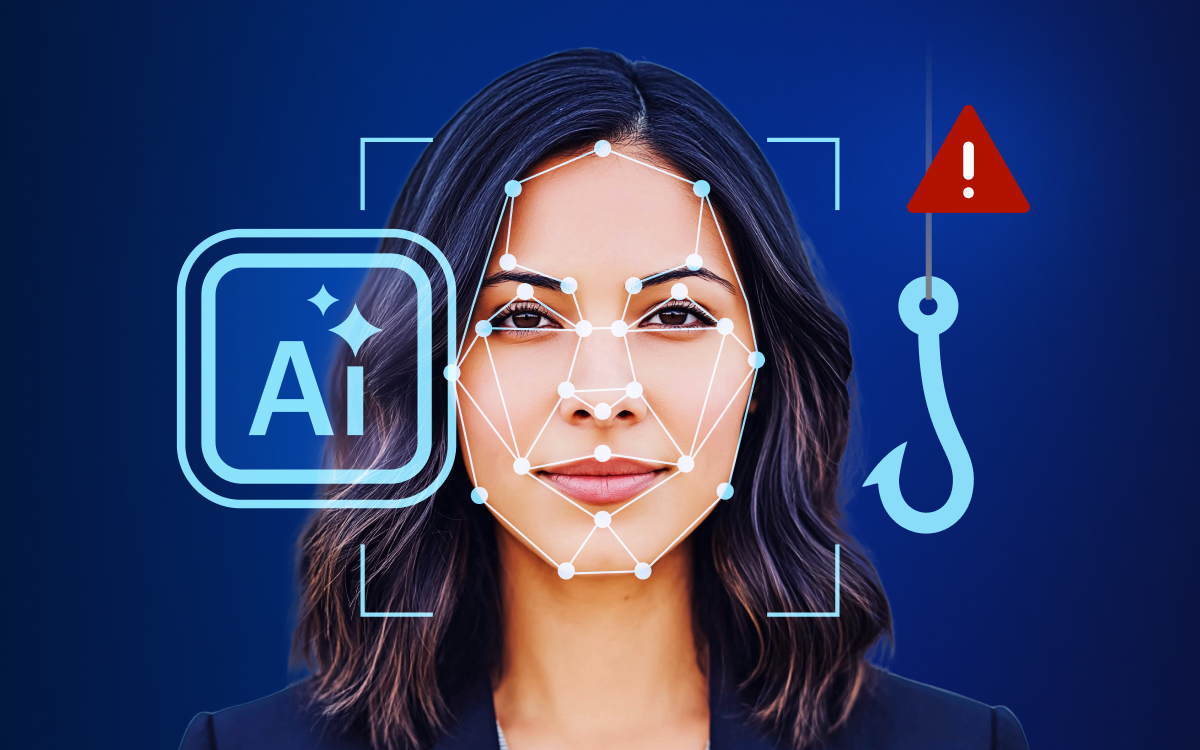
Artificial intelligence has made it easier for attackers to create convincing messages, emails, websites, images, and even audio or video. Traditional phishing attacks often contain obvious spelling mistakes or suspicious wording, but AI can make fraudulent communications appear much more realistic.
Users should be careful when receiving unexpected requests for passwords, payment information, verification codes, or personal information. Even if a message looks professional, its authenticity should be checked before taking action.
Ransomware is a type of malware that can prevent users from accessing their files or computer systems. Attackers may demand money in exchange for restoring access.
Ransomware can affect individuals as well as organizations. Regular backups are an important defense because they can provide copies of important files if the original data becomes inaccessible.
Weak or reused passwords can make online accounts easier to compromise. If the same password is used on several websites and one service experiences a data breach, attackers may attempt to use the stolen password on other accounts.
Using a unique password for every important account can reduce this risk. A password manager can also help users create and securely store strong passwords.
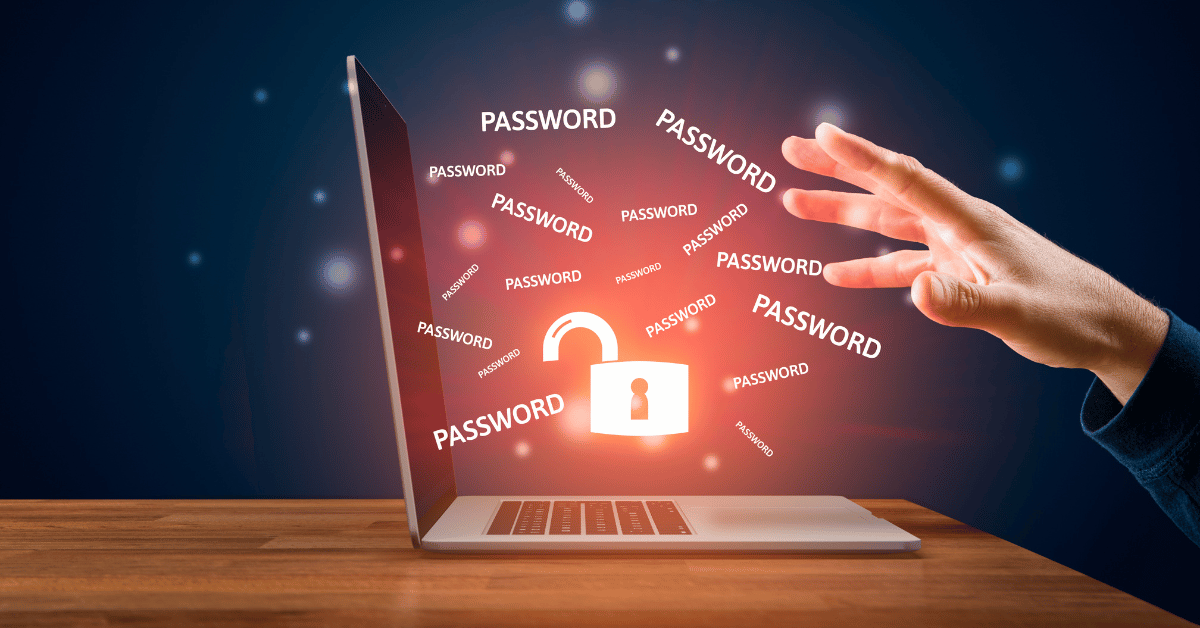
Malware includes harmful software such as viruses, spyware, and trojans. It can be distributed through malicious websites, email attachments, fake applications, pirated software, or deceptive advertisements.
Downloading programs only from trusted sources and keeping security software updated can help reduce exposure to malware.
Computers are no longer the only devices connected to the internet. Smartphones, smart TVs, cameras, watches, routers, and other Internet of Things (IoT) devices can also become targets.
Devices that use outdated software or weak passwords may create security risks. Keeping devices updated and changing default passwords are useful security practices.

Cybersecurity does not require everyone to become a computer expert. Developing good digital habits can make a significant difference.
Use strong and unique passwords. Avoid using easily guessed information such as birthdays or names. Use different passwords for important accounts.
Enable multi-factor authentication. Multi-factor authentication adds another verification step, making it harder for someone to access an account using only a stolen password.
Keep software updated. Operating system and application updates often include security fixes. Installing updates promptly helps protect devices against known vulnerabilities.
Think before clicking. Do not automatically click links or open attachments in unexpected emails and messages. Check the sender and verify suspicious requests through an official channel.
Back up important files. Keep copies of important documents, photos, schoolwork, and other valuable data. Backups can be especially useful after hardware failure or a malware attack.
Use secure networks. Be cautious when using public Wi-Fi, particularly when accessing sensitive accounts. Avoid entering financial or other highly sensitive information on networks you do not trust.
Protect personal information. Avoid sharing unnecessary personal details online. Information posted publicly can potentially be used by scammers for social engineering attacks.
Technology alone cannot completely prevent cyberattacks. Human behavior is also an important part of cybersecurity.
An attacker may not need to break into a computer directly if they can convince someone to reveal a password or click a malicious link. This is why cybersecurity awareness is important in schools, workplaces, and homes.
Learning to question unusual requests and verify information before responding can prevent many attacks.
A cybersecurity incident can have consequences beyond losing access to a computer. Personal information, financial details, school records, business documents, and private communications can all be valuable to criminals.
For businesses and organizations, a successful cyberattack can also interrupt operations and damage customer trust. As more services move online, protecting digital information becomes increasingly important.
Cybersecurity in 2026 is not simply a concern for large companies or technology experts. Anyone who uses a computer, smartphone, or internet-connected device can potentially encounter a cyber threat.
New technologies such as artificial intelligence are creating new opportunities, but they are also being used in increasingly sophisticated scams and attacks. The best defense is a combination of secure technology and responsible online behavior.
By using strong passwords, enabling multi-factor authentication, updating software, backing up important files, and thinking carefully before clicking links or sharing information, users can significantly improve their digital security.
Cybersecurity starts with awareness. The safer we are online, the harder it becomes for cybercriminals to succeed.
 Like
0
Like
0
 Dislike
0
Dislike
0
 Love
0
Love
0
 Funny
0
Funny
0
 Angry
0
Angry
0
 Sad
0
Sad
0
 Wow
0
Wow
0