In today's digital world, the internet has become an essential part of our everyday lives. We use it to communicate with friends and family, shop online, access financial services, attend classes, and perform work-related tasks. While technology provides convenience and countless opportunities, it also exposes us to risks involving personal information and online security. Every time we browse a website, create an account, download an application, or share something on social media, we leave behind digital information that could potentially be collected, stored, or misused.
This makes data privacy an important issue in the digital age. Protecting personal information is no longer just a technical concern; it is a responsibility that every internet user should take seriously.
Data privacy refers to the proper handling, collection, storage, and use of an individual's personal information. It gives people control over how their information is gathered, shared, and accessed by organizations, businesses, and other individuals.
Personal information includes details such as your full name, home address, phone number, email address, birth date, financial information, passwords, and identification numbers. It may also include sensitive information such as medical records, location data, and private communications.
When personal information falls into the wrong hands, it can be used for identity theft, financial fraud, scams, harassment, or other harmful activities. This is why understanding how personal data is collected and protected is essential.

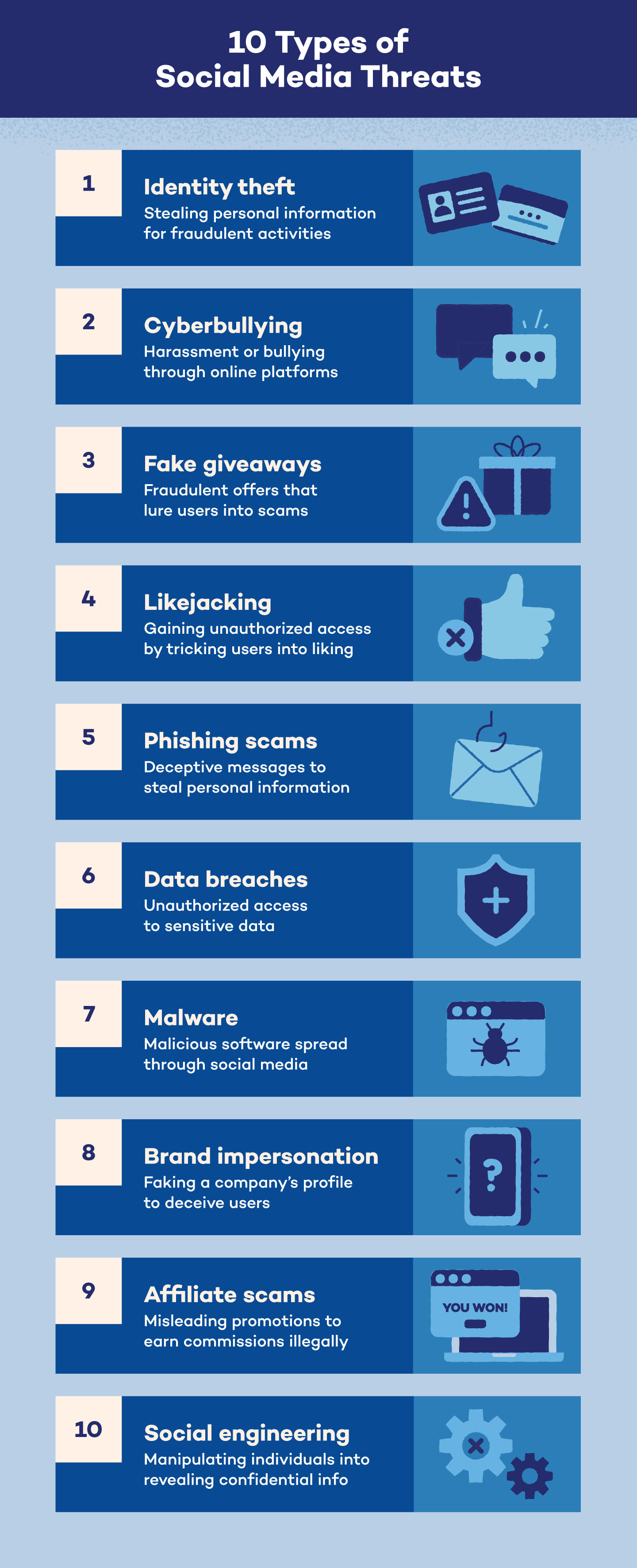
Internet users face different threats that can compromise their personal information. Some of the most common include:
1. Phishing Scams
Phishing happens when cybercriminals send fake emails, text messages, or website links designed to trick people into revealing sensitive information. These messages often pretend to come from banks, online stores, delivery services, or trusted organizations.
2. Identity Theft
Identity theft occurs when someone uses another person's personal information without permission. Criminals may use stolen information to access financial accounts, apply for loans, make unauthorized purchases, or impersonate someone online.
3. Data Breaches
A data breach happens when unauthorized individuals gain access to confidential information stored by a company or organization. Large databases containing customer names, passwords, email addresses, and financial details can become targets of cyberattacks.
4. Malicious Software
Malware, including spyware, ransomware, and keyloggers, can infect computers and mobile devices. Some types secretly monitor user activities, steal passwords, or access private files without the owner's knowledge.
5. Social Media Oversharing
Sharing too much personal information online can expose users to privacy risks. Public posts containing home addresses, travel plans, workplace details, or personal photographs may provide cybercriminals with information they can exploit.
Protecting your digital identity does not always require advanced technical knowledge. Developing good online habits can significantly reduce the risk of privacy violations.
1. Use Strong and Unique Passwords
Create passwords that combine uppercase and lowercase letters, numbers, and special characters. Avoid using easily guessed information such as birthdays, names, or common words. Never reuse the same password across multiple accounts. A trusted password manager can help you create and securely store unique passwords.
2. Enable Two-Factor Authentication
Two-factor authentication (2FA) adds another layer of protection to your online accounts. Aside from entering a password, you may need to provide a verification code, approve a login request, or use an authentication application. This makes unauthorized access more difficult, even if someone discovers your password.
3. Think Before You Share
Be careful about the information you post on social media and other online platforms. Review your privacy settings and limit the visibility of personal posts. Avoid publicly sharing sensitive details that could be used to identify, locate, or impersonate you.
4. Avoid Suspicious Links and Attachments
Do not automatically trust unexpected emails, messages, or website links. Check the sender's identity and verify website addresses before entering personal or financial information. If a message creates urgency or threatens account suspension, independently contact the organization through its official website or customer support channel.
5. Keep Your Devices and Software Updated
Regular software updates help fix security vulnerabilities that cybercriminals may exploit. Keep your operating system, web browser, applications, and security software updated to reduce potential threats.
6. Use Secure Internet Connections
Avoid accessing sensitive accounts or performing financial transactions through unsecured public Wi-Fi networks. When possible, use a trusted private connection. If you must use public Wi-Fi, avoid sensitive transactions and consider a reputable virtual private network (VPN).
7. Review App Permissions
Some applications request access to your camera, microphone, contacts, location, and files. Only grant permissions necessary for the application's intended functions. Regularly review and remove unnecessary permissions to limit the amount of personal information being collected.
Data breaches are situations in which other individuals steal or access sensitive or personal information. Major consequences of a data breach include identity theft, financial loss, reputational damage, legal action, and operational losses.
In April 2018, Facebook (now Meta) faced a data breach that exposed data from over 50 million users. A British consulting firm was able to steal and sell data belonging to millions of users using a loophole in the social media platform's application programming interface (API). This exposed major data security violations by Facebook, leading to a hefty multi-billion-dollar fine for poor data protection practices.
Your online presence must be properly managed to safeguard and protect your data. Although default privacy settings offer a certain level of security, they are not always set to provide the highest level. Go through privacy settings and turn off permissions you don’t think are required.
Limit the personal information you share, including your live locations and daily routines, and keep personal descriptions brief and general.
Ensure the websites you visit use HTTPS. HTTPS provides data encryption between the browser and the server, allowing users to safely and securely share sensitive information like passwords, bank or financial details, etc.
Use data encryption and biometric authentication on your mobile devices to secure your personal information at additional levels.
Data brokers specialise in data collection from the public and sometimes privately sourced records. These brokers then sell or license the data they collect to third parties for various uses. The third-party apps installed on your devices may also have permission to use other apps and features on your device or even access personal information stored on your device. To limit permissions on these apps and increase security, you can go to the settings of the apps and turn off all non-required permissions like camera, contacts, location, microphone, etc.
Suppose your data privacy rights have been violated. In that case, you have the right to report such violations to relevant authorities to ensure that security is restored and the same situation does not happen to anyone else. You can file written complaints with your national Data Protection Authority, which will investigate your complaint and take necessary action.
Even with preventive measures, online privacy incidents can still happen. If you suspect that your personal information has been stolen or exposed, take immediate action.
Change the passwords of affected accounts and any other accounts using the same credentials.
Enable two-factor authentication whenever available.
Contact your bank or financial institution immediately if financial information may have been compromised.
Review account activity and report unauthorized transactions or suspicious logins.
Run a security scan on your device if you suspect malware infection.
Report scams, identity theft, or data privacy concerns to the appropriate authorities.
Acting quickly can help minimize potential damage and prevent further unauthorized access.
The digital age offers convenience, connectivity, and endless opportunities, but it also comes with responsibilities. Every online activity creates information that may reveal something about our identity, habits, and personal lives.
Protecting your online identity begins with awareness and consistent action. By using strong passwords, enabling two-factor authentication, avoiding suspicious links, managing privacy settings, and keeping devices updated, you can significantly reduce the risks associated with sharing information online.
Remember that your personal information has value. Do not wait until your identity is compromised before taking action. Make data privacy a daily habit and take control of your digital footprint.

Stay informed, stay protected, and think before you share.
 Like
0
 Dislike
0
 Love
0
 Funny
0
 Angry
0
 Sad
0
 Wow
0