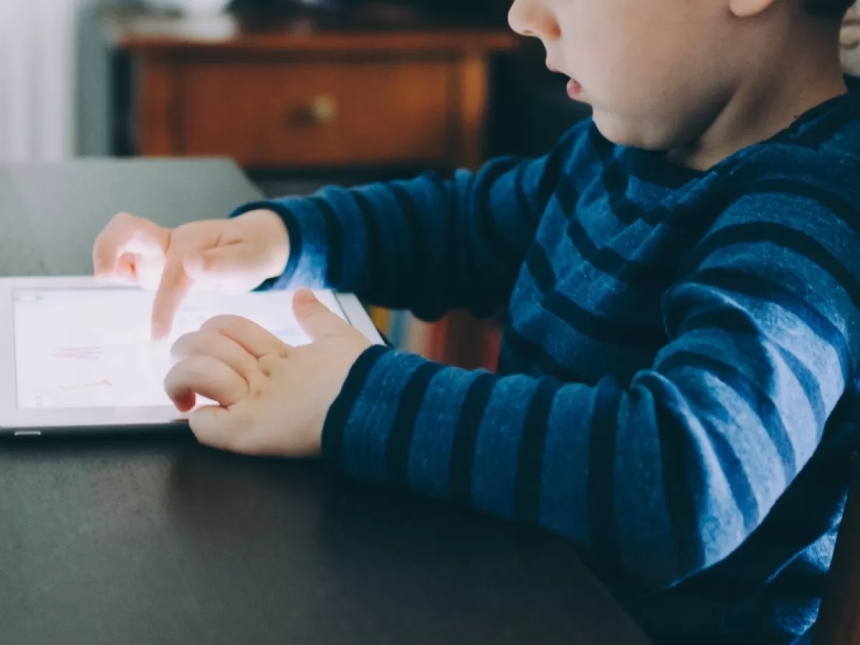
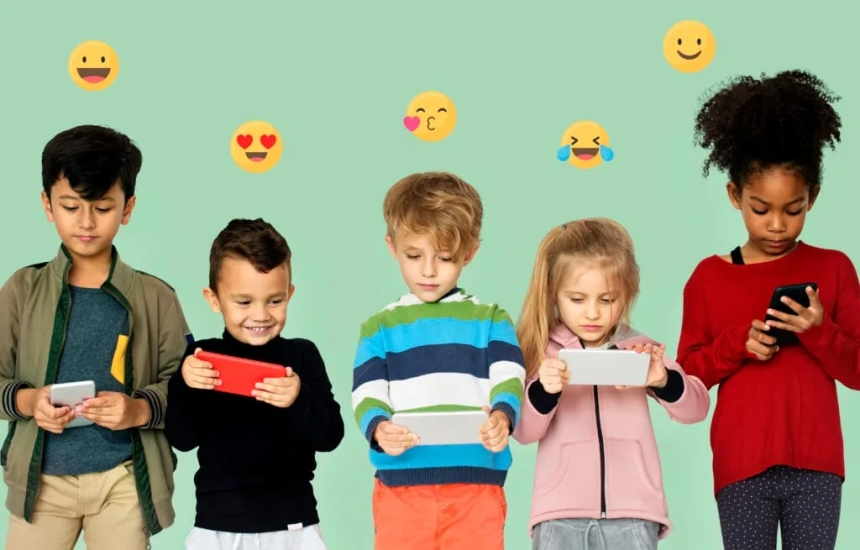
Social media can provide valuable opportunities for children to connect with friends, express themselves creatively, and access educational resources. Platforms that encourage collaborative projects, skill-sharing, and positive community engagement can foster confidence, communication skills, and digital literacy. Additionally, children can learn to navigate online interactions and develop critical thinking skills when guided appropriately.
Despite these benefits, social media also presents significant risks for young users. Exposure to cyberbullying, inappropriate content, or harmful online challenges can affect mental health and emotional well-being. Features such as auto-play videos, comment sections, and friend suggestions can encourage excessive screen time, reduce attention spans, or expose children to unsafe interactions. Moreover, personal information shared on these platforms can be exploited if privacy settings are not properly managed.
Pre-teens and teenagers use social media to have fun, learn new things, explore identity, develop family relationships, connect with friends, and get support. It’s an extension of their offline and face-to-face interactions.
Your child can get many benefits from using social media:
Social media can pose risks:
Parents and educators play a crucial role in guiding children through social media. Monitoring activity, setting boundaries, and fostering open communication about online experiences can help children recognize and avoid risks. Teaching children to critically evaluate content, protect personal information, and practice responsible digital behavior empowers them to make safer choices online.
Here are ideas for guidelines that you could discuss and negotiate with your child.
Social media basics
Posts and comments
Privacy protection
Social media offers children opportunities to connect with peers, express creativity, and access educational content, but it also exposes them to risks such as cyberbullying, inappropriate content, and privacy concerns. Features like auto-play videos, friend suggestions, and comment sections can increase screen time and influence attention and behavior. Parents, educators, and platform developers all play a critical role in creating safer digital spaces by setting boundaries, teaching responsible online habits, and implementing child-friendly features. With proper guidance and safeguards, social media can be a positive and enriching part of a child’s digital experience.
Social media is an unavoidable part of modern childhood, offering both opportunities and risks. By understanding the potential dangers, promoting digital literacy, and establishing safe boundaries, parents and educators can help children navigate these platforms responsibly. Combined with thoughtful design and moderation by developers, social media can become a space where children safely explore, connect, and grow in the digital world.
 Like
0
Like
0
 Dislike
0
Dislike
0
 Love
1
Love
1
 Funny
0
Funny
0
 Angry
0
Angry
0
 Sad
0
Sad
0
 Wow
0
Wow
0