
The key to protecting yourself is understanding the enemy. Here is an easy-to-understand breakdown of the most common cyber threats and simple ways to stay safe.
Cybercriminals use various methods, but most attacks fall into a few major categories:
What it is: A scam where an attacker disguises an email, text message, or phone call as a trustworthy source (like your bank, a favorite store, or a work colleague).
How it works: The message tricks you into clicking a malicious link, opening an infected attachment, or giving up sensitive information like passwords or credit card numbers. It's like a digital fishing expedition, casting a wide net, hoping someone takes the bait.
Example: An email that looks exactly like it's from your bank, saying, "Your account has been frozen! Click here to verify your identity."

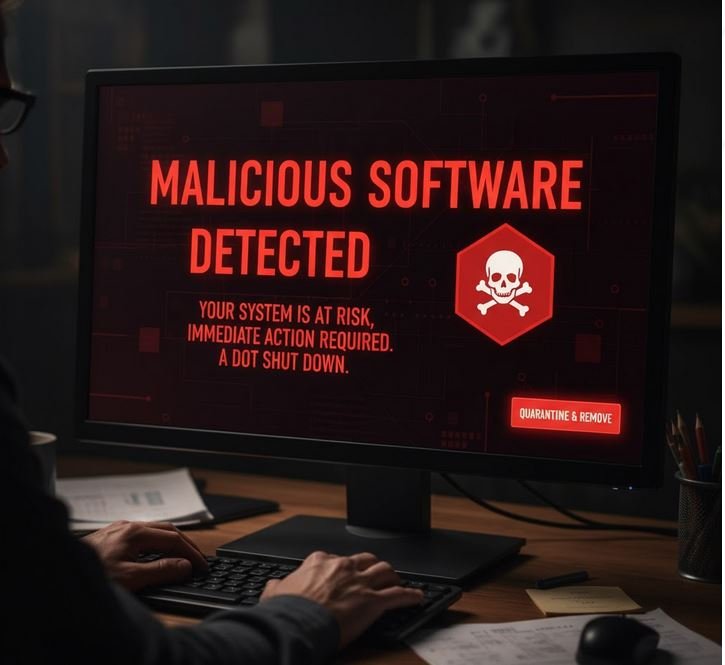
What it is: A blanket term for any harmful software designed to disrupt, damage, or gain unauthorized access to a computer system.
How it works: It sneaks onto your device, often through a phishing email, a dodgy download, or an infected website. Once installed, it can spy on you, slow down your system, or encrypt your files.
Example: Clicking a link that automatically downloads a program that suddenly encrypts all your photos, demanding money for the key to decrypt them.
What it is: An attack aimed at shutting down a website or online service.
How it works: The attacker floods the target server with a massive, overwhelming amount of fake traffic (like thousands of people rushing a single small door at the same time). The server can't handle the load, slows to a crawl, and eventually crashes, denying service to real users.
Example: A popular online store's website suddenly becomes inaccessible during a major sales event.

2. Simple Steps to Stay Protected
The best defense is often simple cyber hygiene. You don't need to be a tech expert to be secure.
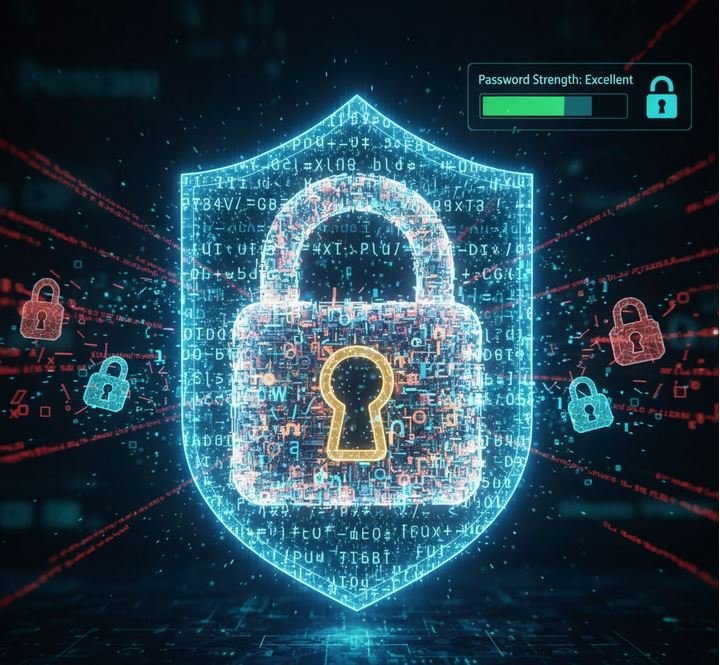
Use Strong, Unique Passwords: Never reuse passwords! A strong password is long (12+ characters), uses a mix of uppercase, lowercase, numbers, and symbols, or is a memorable passphrase.
Check the Sender: Look closely at the sender’s email address—scammers often use slight misspellings (ex, “support@paypa*.info” instead of “support@paypal*.com”).
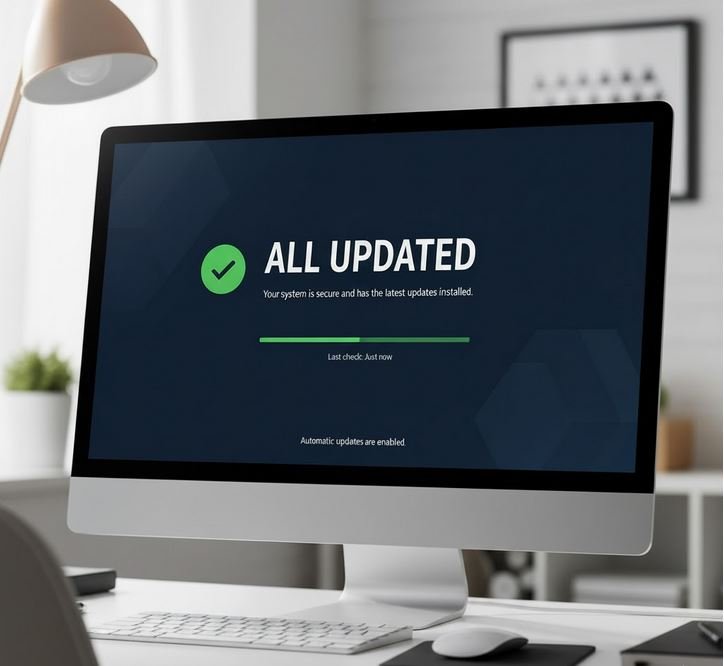
Update Your Software: When a company releases a software update (for your phone, computer, or apps), it often includes patches for security vulnerabilities that attackers might exploit. Delaying updates leaves the door open for criminals.
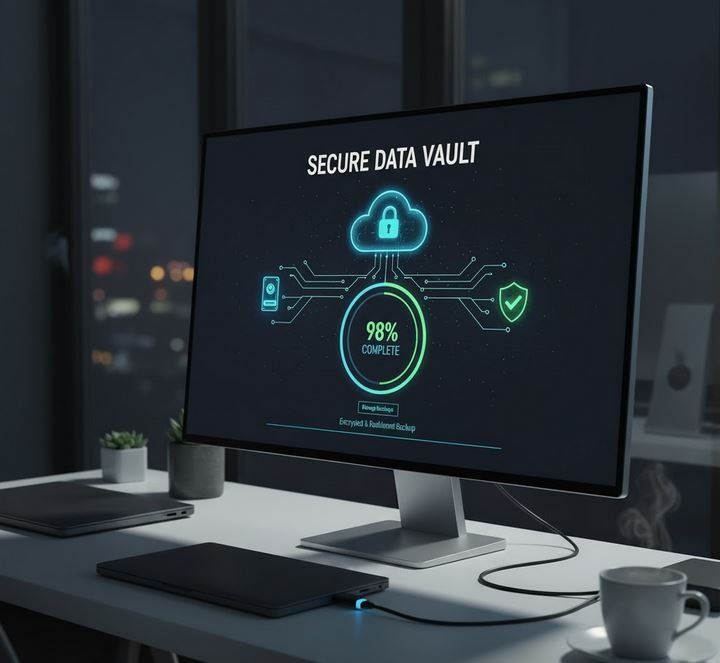
Regularly Back Up: Make copies of your most important files and store them in a secure, separate location, like an external hard drive or a cloud service. If you're ever hit by ransomware, you can wipe your computer and restore your files without paying the ransom.
 Like
1
Like
1
 Dislike
0
Dislike
0
 Love
0
Love
0
 Funny
0
Funny
0
 Angry
0
Angry
0
 Sad
0
Sad
0
 Wow
0
Wow
0