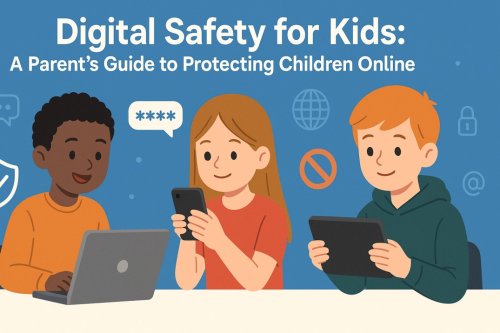
During the holidays, kids spend more time online—scrolling through social media, playing games, and watching videos. Scammers know this. Every December, they release a wave of Christmas-themed scams disguised as cheerful giveaways, including “Free Holiday Skins,” “Santa Mystery Box,” “Christmas Phone Raffle,” and “New Year Gaming Bundle,” among others. Cute icons, snowflakes, and bright red-green color schemes make harmful links appear harmless.
Kids rarely suspect danger when something looks festive.
Online scams change their appearance during Christmas to feel safe and exciting. This leads to:
Lowered suspicion because graphics look child-friendly
Urgency traps like “24 hours left!”
Fake brand logos copied from real holiday promotions
Peer pressure, when classmates share “giveaways,” they also fall for
Because children trust fun visuals, they click without thinking, unaware that some links steal information or install harmful files.
During Christmas break, young users are increasingly exposed to festive graphics and holiday giveaways designed to capture attention and drive engagement. Bright visuals, cheerful animations, and limited-time offers create a sense of excitement and urgency, often masking persuasive marketing tactics beneath seasonal charm. While these strategies appear harmless, they can subtly influence decision-making, encouraging prolonged screen time, impulsive clicks, and unplanned spending among younger audiences.
You don’t need to restrict their holiday fun—add awareness.
Explain that real giveaways never ask for passwords or phone numbers.
Check links together before kids join holiday events or claim prizes.
Turn on browser protections to block harmful sites.
Encourage kids to ask before clicking anything labeled “free.”
These festive tactics rely heavily on psychological triggers such as scarcity, reward anticipation, and social proof. Countdown timers, “limited-time” holiday offers, and visually appealing prize icons create pressure to act quickly, reducing the likelihood of thoughtful decision-making. For young users, who are still developing critical judgment skills, these elements can blur the line between entertainment and advertising, making it harder to recognize when engagement is being intentionally engineered rather than genuinely earned.
Kids can enjoy holiday excitement without falling for scams when they understand the difference between real celebrations and disguised threats. Awareness turns the season into something joyful—not risky.
In conclusion, while festive graphics and holiday giveaways add color and excitement to the Christmas season, they also play a powerful role in shaping young users’ online behavior. Behind the cheerful designs often lie carefully crafted psychological tactics aimed at maximizing engagement and consumption. Recognizing these strategies is essential for fostering digital awareness among young users, parents, and educators alike. By promoting critical thinking and responsible digital practices, the holiday season can remain enjoyable without compromising informed and mindful online choices.
 Like
0
Like
0
 Dislike
0
Dislike
0
 Love
0
Love
0
 Funny
0
Funny
0
 Angry
0
Angry
0
 Sad
0
Sad
0
 Wow
0
Wow
0