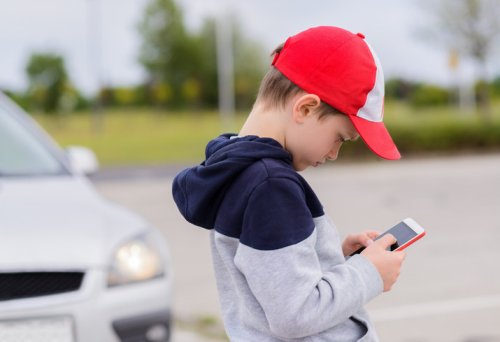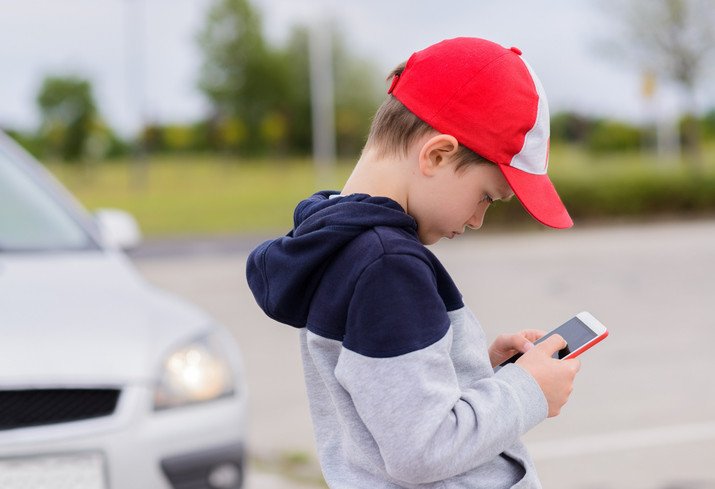

Digital greetings are messages or signals used to say hello, introduce oneself, or start a conversation through digital platforms. These include:
For kids, these greetings can feel casual and playful. However, not everyone online has good intentions, and not all greetings are as innocent as they appear.
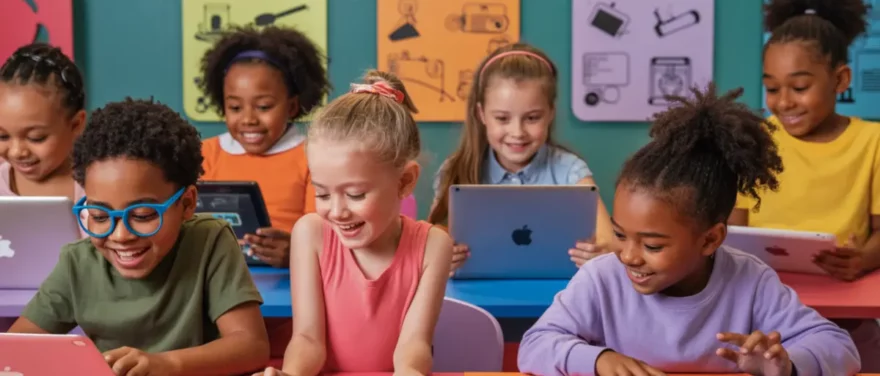
A simple digital greeting can sometimes open the door to conversations with strangers. In online games or social platforms, kids may not know who is on the other side of the screen. Responding to unknown greetings can lead to unwanted interactions or unsafe situations.
After a greeting, some people may ask questions like a child’s name, age, school, or location. Kids may share these details without realizing that personal information should be kept private.
Digital greetings lack facial expressions and tone of voice. Emojis or short messages can easily be misunderstood, leading to confusion, hurt feelings, or conflict.
Once a conversation starts, children may be exposed to messages, images, or language that are not suitable for their age. This can happen quickly and unexpectedly.
Some greetings may be used to tease, mock, or pressure children into doing things they are uncomfortable with. What starts as a friendly “hello” can turn into harmful online behavior.
Children need guidance to understand that online communication is different from face-to-face interaction. Teaching awareness helps kids:
Digital safety education empowers kids to make smart choices online.
To stay safe, kids should learn and follow these basic rules:
These habits can greatly reduce online risks.
Parents and guardians play a key role in protecting children online. They can:
When adults stay involved, children feel safer and more supported.
Being careful does not mean being unfriendly. Kids should also learn how to communicate respectfully online by:
These skills help children become responsible digital citizens.

Digital greetings are a normal part of modern communication, but they require caution—especially for kids. A simple greeting can sometimes lead to risks if children are not aware of online dangers. By teaching kids to be careful, protect their personal information, and seek help when needed, we can help them enjoy digital communication safely.
With guidance from parents, educators, and communities, children can learn to greet others online in a way that is both friendly and secure, ensuring positive and safe digital experiences.
 Like
1
Like
1
 Dislike
0
Dislike
0
 Love
1
Love
1
 Funny
0
Funny
0
 Angry
0
Angry
0
 Sad
0
Sad
0
 Wow
0
Wow
0