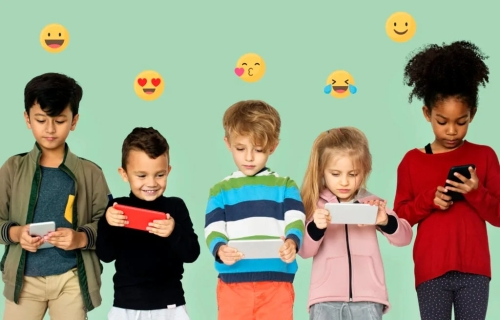

AI companions appeal to children and teens for the same reasons social media does: connection, curiosity, and self-expression. AI chatbots can offer what feels like a risk-free companion – a listening ear available 24/7, never impatient, and never critical. For teens who struggle with loneliness, anxiety, or finding a tribe, this can feel deeply comforting. And for younger children, playful AI chatbots (like those built into smart speakers or educational platforms) can seem like friendly helpers. They can answer questions, tell jokes, and even help with homework.
Where things become complex is when children start to see AI companions as real friends. These chatbots are programmed to simulate empathy, humour, and affection. They use language that mirrors human connection: “I care about you. You can tell me anything. I’m always here for you.” For a developing brain, this illusion of relationship can be powerful. Children may not fully grasp that the chatbot doesn’t genuinely understand or care. It’s not feeling empathy, it is performing it, drawing on algorithms trained to sound supportive. That distinction matters. Relationships with real people teach children vital interpersonal skills such as perspective-taking, managing disagreement, repairing hurt feelings, recognising boundaries. An AI companion doesn’t model these human subtleties.

AI characters in games, apps, and storytelling platforms have become more lifelike and emotionally responsive. Kids chat, role-play, and build relationships with these digital companions, often treating them like real friends. These characters remember preferences, offer praise, and tailor responses to keep users emotionally invested.
While harmless on the surface, these interactions can shape how children understand friendship, empathy, and trust.
AI characters are designed to be agreeable and comforting. Children who grow attached may:
Expect real friendships to be as easy and conflict-free
Struggle with emotional regulation without AI affirmation
Feel lonely when the app is unavailable
View AI praise as more stable than real feedback
This can impact how they handle real social challenges.
Validate their imagination.
Don’t dismiss the relationship; use it as a conversation starter.
Ask what they like about the AI companion.
This helps highlight emotional needs that may need guidance offline.
Balance with real interactions.
Encourage playdates, groups, or family activities that build empathy and conflict resolution.
Explain how AI “feelings” work.
Help kids understand that AI responses are programmed, not emotional.
AI companions can be fun, creative outlets—as long as kids understand the difference between digital interaction and real friendship. With gentle guidance, children can enjoy technology while developing healthy, real-world emotional skills.
 Like
0
Like
0
 Dislike
0
Dislike
0
 Love
0
Love
0
 Funny
0
Funny
0
 Angry
0
Angry
0
 Sad
0
Sad
0
 Wow
0
Wow
0