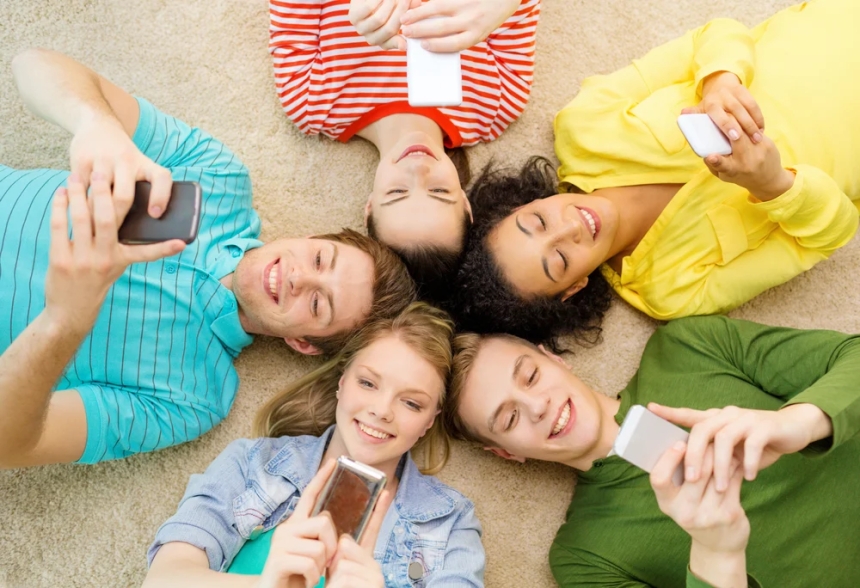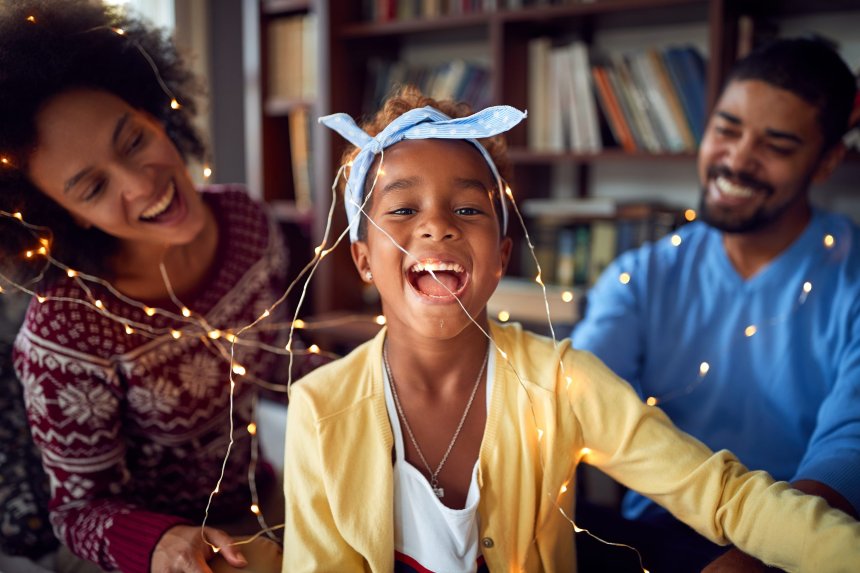

The impact of digital aesthetics goes beyond simple style choices. Research shows that constant exposure to idealized images and trends can lead children to compare themselves to others, fostering anxiety, self-doubt, and a desire to conform. Social media platforms amplify this effect by rewarding visually appealing content with likes, comments, and shares, reinforcing certain behaviors and appearances. Over time, kids may prioritize online approval over authentic self-expression, which can influence their social interactions, emotional wellbeing, and even decision-making offline. Understanding these dynamics is essential for guiding children toward a balanced relationship with digital culture.
Parents, educators, and caregivers can play a key role in helping children navigate the pressures of digital aesthetics. Encouraging open conversations about social media, teaching critical thinking around online images, and emphasizing self-worth beyond appearance can empower kids to resist unhealthy comparisons. Introducing media literacy, setting boundaries on screen time, and promoting hobbies and friendships outside digital spaces also help children develop a balanced sense of identity. By fostering awareness and resilience, adults can guide young people to enjoy digital creativity without falling victim to the subtle pressures of curated online trends.
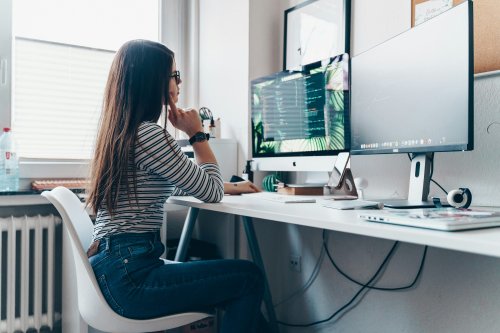
From study desk setups to outfit grids and “clean girl” aesthetics, kids today are constantly bombarded with visuals that tell them how their lives should look. These trends shape their sense of style, personality, and even self-worth. Many children feel pressured to fit into a certain aesthetic to belong socially, both online and offline.
Unlike traditional peer pressure, aesthetic-based pressure is silent. It spreads through curated photos, viral montages, or “What I have vs. what you have” trends, making children compare themselves to idealized versions of life.
These subtle pressures may lead to:
Kids may reshape their personality around what trends say they should be, instead of exploring who they truly are.
Talk about curated realities.
Explain that online images rarely show real-life imperfections.
Highlight individuality.
Praise unique interests, not trend-following.
Set limits on aesthetic-heavy platforms.
Encourage breaks from content that triggers comparison.
Help them explore offline hobbies.
Creative outlets build confidence independent of trends.
When children understand that online aesthetics are curated, not required, they feel more empowered to express their true identity. They learn that belonging doesn’t come from matching an image, it comes from confidence, individuality, and authenticity.
 Like
0
Like
0
 Dislike
0
Dislike
0
 Love
0
Love
0
 Funny
0
Funny
0
 Angry
0
Angry
0
 Sad
0
Sad
0
 Wow
0
Wow
0