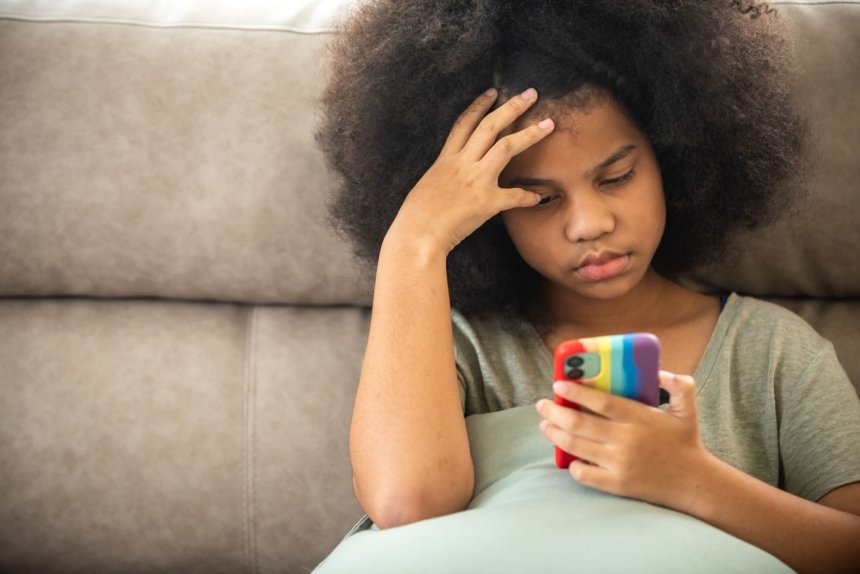
Children and teenagers are naturally curious and socially driven. They want to fit in, be accepted, and sometimes stand out among peers. Trends offer a quick way to do all three. When a challenge or style becomes popular, the pressure to participate can feel overwhelming. Likes, shares, and comments can seem like proof of approval, even if the activity itself is risky.
Unlike adults, kids are still developing decision-making and risk-assessment skills. This means they may not fully understand the consequences of their actions, especially when those actions are encouraged by friends or online personalities they admire.
One of the most concerning trend categories is viral challenges. These often involve filming oneself doing something unusual, daring, or shocking to gain attention.
Potential dangers include:
What makes these challenges especially risky is the illusion of safety. A short clip may hide the preparation, editing, or even professional supervision behind the scenes. Kids trying to recreate what they see often do so without safeguards, turning entertainment into real danger.
Body image trends can be subtle but deeply harmful. Children are exposed to edited photos, filters, and unrealistic standards that can make them feel inadequate. Some trends encourage restrictive eating, excessive exercise, or comparison culture.
Possible consequences:
Because children’s bodies are still growing, extreme diets or sudden lifestyle changes can affect physical development and mental health. What starts as “just trying something popular” can become a harmful habit.
Pranks often appear humorous online, but they can cross into bullying, humiliation, or even criminal behavior. Many prank videos don’t show the emotional distress or real-world consequences faced by those involved.
Risks include:
Children may not realize that recording and sharing someone’s embarrassment can have lasting effects. Once posted, videos can spread far beyond their intended audience and remain online indefinitely.
Beauty and fashion trends sometimes involve do-it-yourself methods using household items or unverified products. Kids may experiment without understanding chemical reactions, allergies, or hygiene risks.
Possible dangers:
Many tutorials skip safety warnings or are created by individuals without proper training. What seems like a quick fix can lead to permanent damage or medical expenses.
Not all trends are physical—some are digital. Sharing personal details, posting live locations, or joining anonymous apps can put kids at risk without them realizing it.
Common risks:
Children often underestimate how permanent digital footprints are. A post made in seconds can remain searchable for years, potentially affecting school opportunities, friendships, and even future careers.
Trends often gain credibility through popularity. When thousands of people participate, it creates a false sense of security. Influencers may appear confident and carefree, making risky behavior seem normal or even admirable. Additionally, algorithms frequently promote viral content without evaluating its safety, exposing kids repeatedly to the same risky ideas.
Avoiding every trend is neither realistic nor necessary. Many trends encourage creativity, learning, and social connection. The key is teaching children how to evaluate what they see.
Practical safety tips:

Trends are a natural part of growing up, and many can be fun, educational, or inspiring. However, not all trends are created with safety in mind. Teaching children to question what they see, recognize hidden risks, and prioritize their well-being over popularity can make a significant difference. In a world where “going viral” is often celebrated, the most important trend kids should follow is staying safe, respectful, and true to themselves.
 Like
0
Like
0
 Dislike
0
Dislike
0
 Love
0
Love
0
 Funny
0
Funny
0
 Angry
0
Angry
0
 Sad
0
Sad
0
 Wow
0
Wow
0