Types of Cyber Attacks Impacting Children
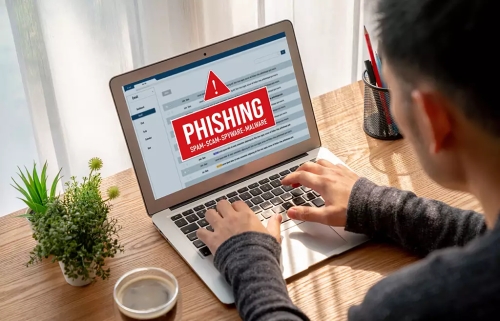
Cyber attacks that affect children come in many forms. Phishing scams, often disguised as school announcements, gaming rewards, or social media messages, trick children into revealing passwords or personal information. Ransomware attacks on schools or online educational platforms can disrupt learning and access to critical resources. Data breaches can expose children’s personal information—including names, birthdates, and addresses—to malicious actors, increasing the risk of identity theft or exploitation.

Another growing concern is cyberbullying. Unlike traditional bullying, cyberbullying can follow children wherever they go, reaching them through social media, gaming platforms, and messaging apps. Cyberbullies can spread rumors, post humiliating content, or directly harass children, which can have serious emotional and psychological consequences. Some attacks are even coordinated, leveraging the anonymity of the internet to intensify the impact.
The Role of Online Gaming and Social Platforms
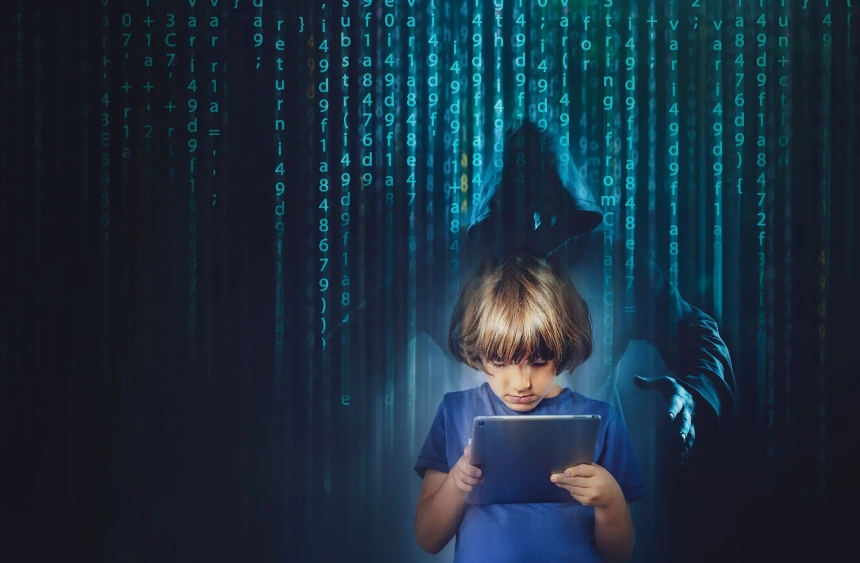
Online games and social media are integral parts of children’s digital lives, but can also be conduits for cyber attacks. Children may be targeted by strangers through chat features or fall victim to scams promising in-game rewards or digital currency. Malicious links shared on these platforms can install malware or spyware on devices, giving attackers access to personal data or compromising device security. Exposure to violent or inappropriate content can also affect children’s mental health and perception of the world.
Identity Theft and Privacy Threats
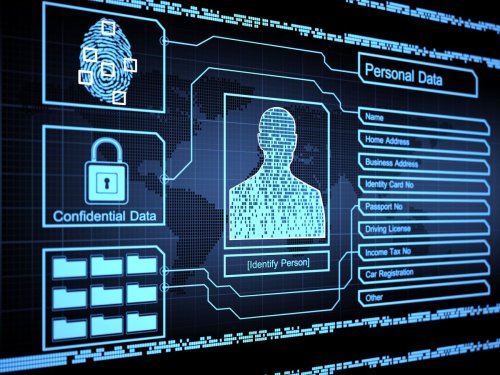
Children are increasingly targeted for identity theft because their information is “clean” and less likely to be monitored by credit agencies. Hackers can use stolen data to open accounts, commit fraud, or create fake profiles in a child’s name. Additionally, personal photos, videos, and other digital content can be misused online, exposing children to exploitation or harassment. Parents must be vigilant about securing devices, monitoring account activity, and teaching children not to overshare online.
Impact on Education and Daily Life
Cyber attacks on schools or educational platforms can disrupt access to lessons, homework, and important communications. When ransomware or phishing attacks strike, children may lose work or experience delays in learning, creating stress and anxiety. Beyond academics, these attacks can affect social interaction, as children rely on digital tools to communicate with peers, participate in clubs, or collaborate on projects.
Emotional and Psychological Consequences
The psychological impact of cyber attacks on children should not be underestimated. Fear of being hacked, losing personal data, or being bullied online can lead to anxiety, depression, or withdrawal from online activities. Children may feel powerless when exposed to attacks they do not understand, making education and guidance critical to their resilience.
How Parents and Educators Can Protect Children
Protection begins with awareness and proactive strategies. Parents should teach children safe online habits, including:
Educators can complement these efforts by integrating digital literacy and cybersecurity education into the curriculum. Schools should maintain secure networks, regularly update software, and prepare response plans for potential cyber incidents.
Conclusion
Cyber attacks are no longer an abstract threat—they can significantly affect the daily lives, safety, and emotional well-being of children. Awareness, education, and practical safeguards are essential tools in protecting young digital users. By fostering safe habits, monitoring online activity, and maintaining open communication, parents and educators can help children navigate the online world confidently and securely, minimizing the risks posed by cyber attacks.
 Like
0
Like
0
 Dislike
0
Dislike
0
 Love
0
Love
0
 Funny
0
Funny
0
 Angry
0
Angry
0
 Sad
0
Sad
0
 Wow
0
Wow
0