
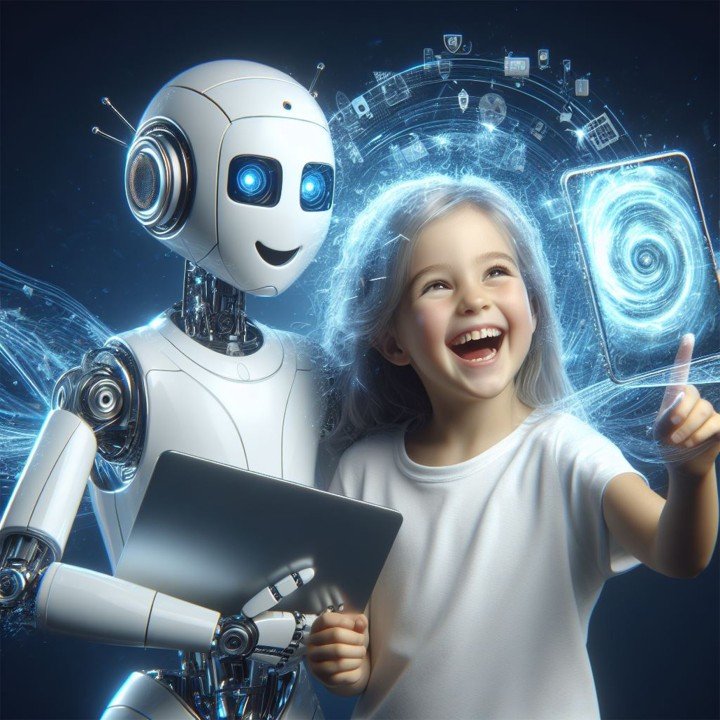
Automated characters are digital entities powered by algorithms and artificial intelligence that simulate conversation or behavior. Examples include:
To children, these characters may feel alive or trustworthy, even though they are programmed systems without real emotions, intentions, or moral judgment. This gap between perception and reality is where risks can arise.
Children process information differently from adults. Their ability to distinguish fantasy from reality, understand intent, and evaluate credibility is still developing.
Without safeguards, automated characters can unintentionally shape beliefs, behaviors, or emotional responses in harmful ways.
Unsafe or poorly designed automated interactions can expose children to several risks:
Automated systems may provide inaccurate, outdated, or biased information. Children may accept this information without question, affecting their understanding of the world.
If an automated character encourages dependency (e.g., "I’m the only one who understands you"), children may rely on it for emotional support instead of real human relationships.
Without proper filtering, children may encounter content that is violent, sexual, frightening, or developmentally inappropriate.
Some automated characters collect voice recordings, behavioral data, or personal information. Children often do not understand consent or data permanence.
Excessive reliance on automated companions may limit opportunities for real-life social interaction, empathy-building, and communication skills.
When properly designed and regulated, automated characters can provide meaningful benefits:
Safety does not mean eliminating automated characters—it means shaping them responsibly.
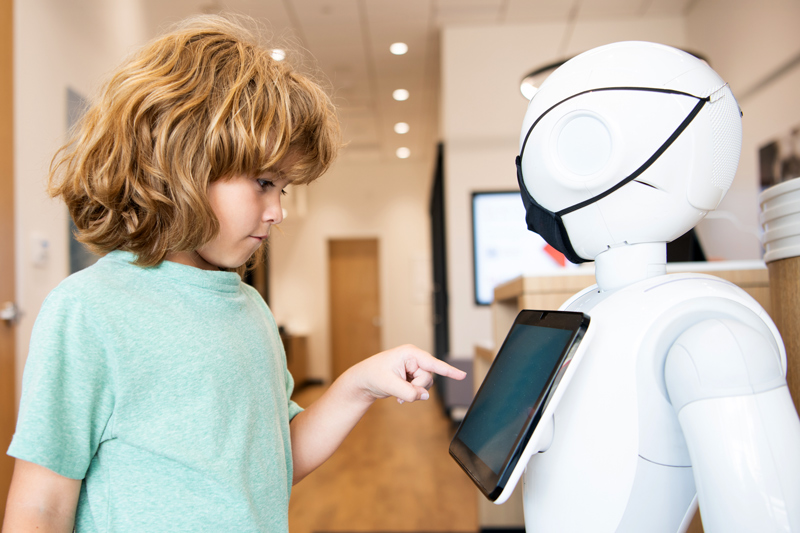
To protect children, developers, educators, and caregivers should prioritize the following principles:
Content, language, and responses should match the child’s developmental stage.
Children should be clearly told that the character is not human and does not have real feelings or intentions.
Systems must actively prevent harmful, misleading, or inappropriate outputs.
Minimal data collection, clear parental consent, and secure storage are essential.
Automated characters should support—not replace—relationships with parents, teachers, and peers.
Adults play a critical role in ensuring safe interactions:
Open communication helps children feel safe and supported when using digital tools.
Governments and organizations must also take responsibility by:
Clear policies ensure that children’s well-being comes before profit or innovation speed.
Automated characters are shaping the digital environments where children learn, play, and socialize. While these technologies hold great promise, they also carry real risks if left unchecked. Children need safe, transparent, and developmentally appropriate interactions with automated characters—interactions that respect their vulnerability, protect their privacy, and support healthy growth.
By combining responsible design, active adult guidance, and strong regulation, we can ensure that automated characters become positive tools rather than hidden threats. Protecting children in the digital age means recognizing that safety, trust, and human connection must always come first.
 Like
0
Like
0
 Dislike
0
Dislike
0
 Love
1
Love
1
 Funny
0
Funny
0
 Angry
0
Angry
0
 Sad
0
Sad
0
 Wow
0
Wow
0