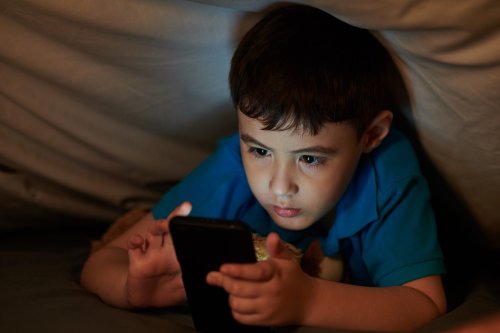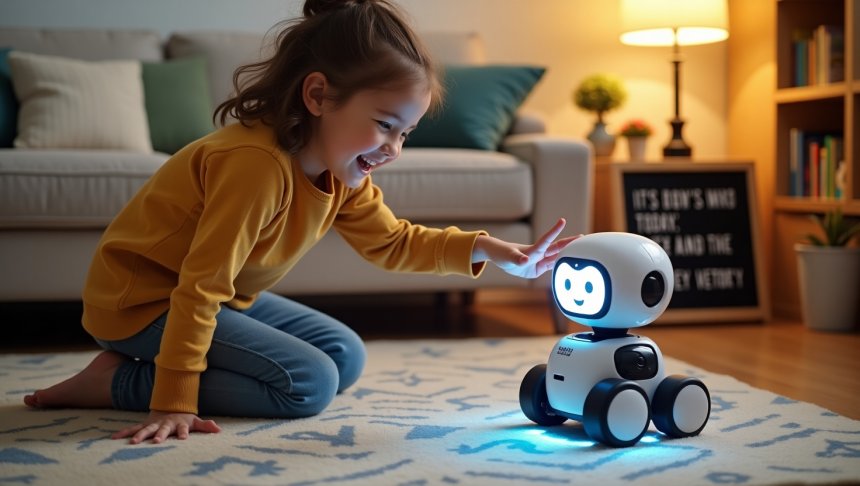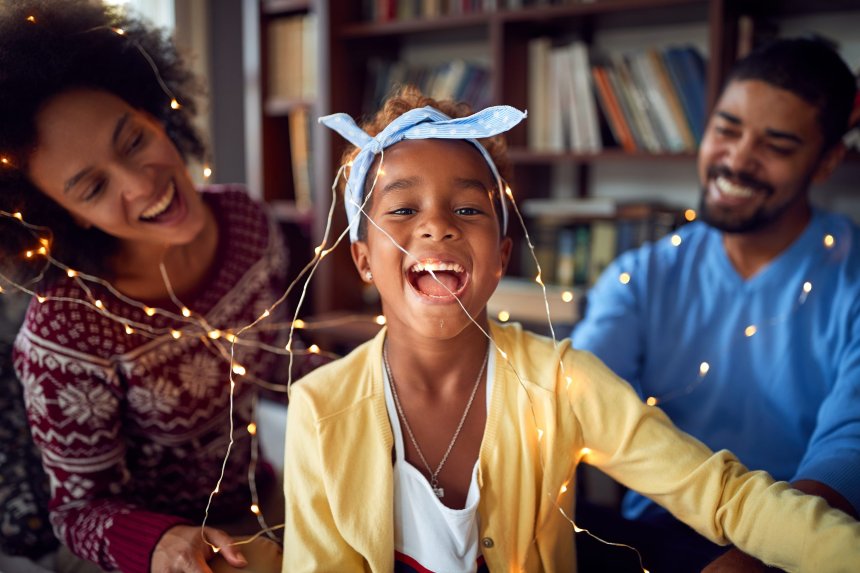

From Christmas tree selfies to New Year's countdown videos, kids today face enormous pressure to share holiday photos online. Many feel that if they don’t post something visually “aesthetic,” they’ll appear boring or left out. The holidays, instead of being restful, turn into a competition for likes, views, or “Who posted it better?”
As the year comes to a close, social media platforms fill with traditions like “year in review” posts, countdowns, highlights reels, and top moments shared by friends and influencers. While these online rituals can be fun and engaging, they can also have unintended effects on children and teenagers, influencing self-esteem, perception, and digital habits.
This seasonal pressure can shape self-esteem, making children compare their celebrations, homes, or gifts to idealized online versions. Kids may also unintentionally share private details—family routines, travel plans, or pictures of younger siblings.
Year-end posts often encourage users to reflect on accomplishments, milestones, and memorable moments. For young people, this can create pressure to present a perfect or exciting life, even if reality is different. Constant comparison with peers’ curated highlights can lead to feelings of inadequacy or anxiety.
Likes, shares, and comments play a major role in year-end posts. Children and teens may measure self-worth based on the attention their posts receive, rather than the content itself. This focus on metrics can reinforce social comparison and affect mental well-being.
Year-end traditions often include viral trends, challenges, or “best-of” content compilations. Some may be harmless, but others can be risky, exposing young users to inappropriate material or encouraging unsafe behavior to gain attention.
• Everyone is posting at the same time.
• Aesthetic trends set unrealistic standards.
• Kids use photos to prove they’re “having fun.”
• Holiday FOMO becomes stronger than usual.
The desire to document everything makes kids forget what should remain private.
• Talk about posting only what they’re comfortable keeping online forever.
• Explain that not everything needs to be public—some moments are for family.
• Encourage enjoying traditions in the moment before photographing them.
• Remind them that no celebration is too simple or too small.
Year-end social media traditions can be fun and celebratory, but they also shape young minds in subtle ways. Awareness, guidance, and open conversations about online habits can help children and teens experience these digital rituals safely and healthily, turning festive online engagement into a positive experience rather than a source of stress.
Holiday memories should be made, not performed. When kids learn this early, they grow more confident, present, and secure in how they share their lives online.
 Like
0
Like
0
 Dislike
0
Dislike
0
 Love
0
Love
0
 Funny
0
Funny
0
 Angry
0
Angry
0
 Sad
0
Sad
0
 Wow
0
Wow
0