
Every holiday season, the internet becomes flooded with “free phone,” “mystery gift box,” and “Christmas promo” posts—many of them designed to attract children. Scammers know kids are eager for presents, and they take advantage of that excitement by crafting offers that feel magical, urgent, or too good to ignore.
Fake giveaways often ask children to share personal information, join suspicious groups, or fill out “holiday surveys” that secretly harvest data. Some even mimic popular brands, using Christmas-themed graphics to look legitimate.
Scammers often take advantage of holidays and major events, knowing that families are busy, distracted, and emotionally engaged. During festive seasons, scams become more convincing by using familiar themes such as gift-giving, discounts, charity drives, and school-related announcements. For parents, understanding these seasonal scam tactics is essential to keeping their children and household safe.
Seasonal periods create a sense of urgency and excitement. Limited-time offers, countdown deals, and “holiday-only” rewards pressure people to act quickly. Scammers exploit this by sending fake emails, messages, and ads that mimic legitimate brands, schools, or delivery services, hoping parents will click before thinking twice.
Many scams are tailored specifically to parents. Fake toy giveaways, fraudulent online stores, and “missed package” notifications often appear during gift-buying seasons. Some scams impersonate schools or community groups, asking for donations or urgent payments for events, uniforms, or activities that do not exist.
Children may encounter scams through online games, social media, or messaging apps. Seasonal events inside games—such as holiday rewards or exclusive items—can lure them into clicking suspicious links or sharing personal information. Scammers know children are less likely to recognize deceptive tactics, making parental guidance crucial.
Children fall for these schemes because:
• The holiday theme lowers their guard.
• “Limited-time” language makes them act quickly.
• They trust brand logos without verifying authenticity.
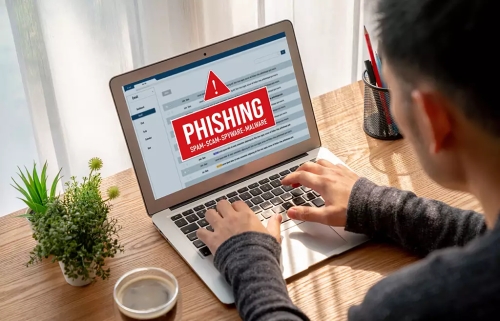
• They don’t recognize signs of phishing or fake pages.
These scams can lead to malware, security breaches, accidental subscriptions, or exposure to inappropriate communities.
• Explain that real giveaways never ask for private details from kids.
• Show them how to spot fake URLs and mismatched branding.
• Encourage them to ask before joining any online promo.
• Use this season to talk about digital honesty and online trickery.
Parents should talk openly with their children about online scams and encourage them to ask before clicking links or entering information. Using parental controls, monitoring app permissions, and verifying messages directly with schools or companies can significantly reduce risk.
Empowering children with basic digital literacy helps them recognize suspicious behavior. Teaching them to pause, question unfamiliar offers, and report strange messages builds long-term awareness that goes beyond seasonal threats.
Seasonal scams thrive on distraction and urgency, but informed parents can stay one step ahead. By recognizing common tactics and maintaining open communication, families can enjoy the holidays without falling victim to online deception.
Holiday generosity is everywhere online, but not all “gifts” are real. Teaching kids to be skeptical of too-perfect offers empowers them to enjoy the season without falling for holiday-themed scams.
 Like
0
Like
0
 Dislike
0
Dislike
0
 Love
0
Love
0
 Funny
0
Funny
0
 Angry
0
Angry
0
 Sad
0
Sad
0
 Wow
0
Wow
0