
Digital platforms are intentionally built around speed and reward. When a child buys an add-on, the item appears instantly—no waiting, no shipping, no delay. This immediate satisfaction triggers the brain’s reward system, releasing dopamine, the chemical associated with pleasure and motivation.
For children, whose impulse control is still developing, instant rewards can be especially hard to resist. Unlike saving for a toy in a store, digital purchases remove the natural pause that allows reflection. The result is a cycle of “see it, want it, get it now.”
Many games and apps use limited-time offers, seasonal events, or exclusive items. Kids are told that a skin or character will “never return” or is “only available today.” This creates urgency and anxiety, pushing them to act quickly rather than think carefully.
Children often fear being left out socially if they do not own the same digital items as their friends. When classmates talk about a new costume or rare weapon, the pressure to keep up can feel intense. FOMO turns optional purchases into perceived necessities.
Digital add-ons are not just functional; they are symbolic. A rare skin or badge can signal skill, dedication, or popularity within a game community. For kids, these items become part of their identity and self-expression.
Owning premium content can:
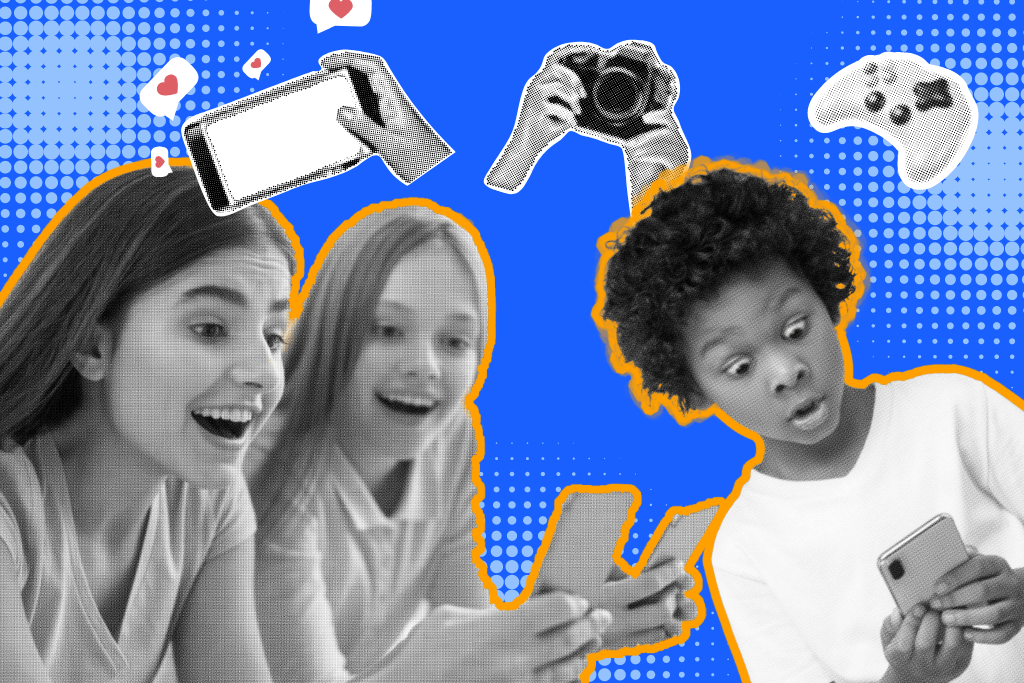
Because friendships and social acceptance are extremely important during childhood and adolescence, virtual items can feel as meaningful as real-world clothing or accessories.
Children are heavily influenced by streamers, YouTubers, and online personalities who showcase digital purchases. When influencers celebrate new add-ons or open “loot boxes” with excitement, kids associate buying with fun, success, and recognition.
Unlike traditional advertising, influencer marketing often feels personal and trustworthy. Kids may not recognize it as marketing at all, making them more vulnerable to persuasion.
Game developers frequently use behavioral design techniques to encourage spending. These include:
Because the costs are usually low per purchase, children may not realize how quickly spending adds up. A few dollars here and there can turn into large totals over time.
Most children do not yet fully understand the value of money, especially digital money. Virtual currencies such as gems or coins create distance from real-world costs. Spending 500 game coins feels less serious than spending five actual dollars, even if they are equal.
Additionally, stored credit cards or one-click purchasing systems remove the physical act of handing over money, making transactions feel almost invisible.
Digital add-ons can also appeal to emotions. A child might buy something to:
When purchases become emotional reactions rather than thoughtful decisions, urgency increases, and self-control decreases.
Children are highly influenced by what their friends are doing. Group chats, school conversations, and multiplayer gaming sessions often revolve around new digital items. Even if a child wasn’t initially interested, repeated exposure can create desire.
Peer influence can make kids feel that not buying means falling behind socially or competitively, intensifying the pressure to act quickly.

The urgency kids feel to buy digital add-ons is not accidental—it is shaped by psychological design, social pressure, emotional triggers, and limited financial understanding. Virtual items may not take up physical space, but they carry real emotional and financial weight. By teaching children critical thinking, money awareness, and digital literacy, families can transform impulsive spending into thoughtful choices. In a world where digital marketplaces are always open, the most valuable skill children can learn is the ability to pause, evaluate, and decide wisely.
 Like
0
Like
0
 Dislike
0
Dislike
0
 Love
0
Love
0
 Funny
0
Funny
0
 Angry
0
Angry
0
 Sad
0
Sad
0
 Wow
0
Wow
0