
Holiday shopping apps fill with bright banners, cheerful characters, and limited-time deals designed to excite young users. Many kids browse these apps to create digital wishlists or check prices for toys they hope to receive. But these platforms—while fun—often collect more data than parents expect.
Some shopping apps track search history, location, age estimates, device behavior, and even browsing patterns to build a detailed profile. When kids eagerly scroll through holiday gifts, they unknowingly feed these systems with valuable insights.
Festive seasons such as Christmas, New Year, and special online sales bring excitement—especially for children. Colorful ads, countdown deals, and fun characters make online shopping feel like part of the celebration. However, while these digital marketplaces are entertaining, they can also pose risks for young users. This is why children need proper guidance when browsing festive online stores.
One of the main concerns is impulsive buying. Festive online shops are designed to create urgency through limited-time offers and flashy promotions. Children may not understand the value of money or the consequences of online purchases, which can lead to accidental spending or unauthorized transactions.
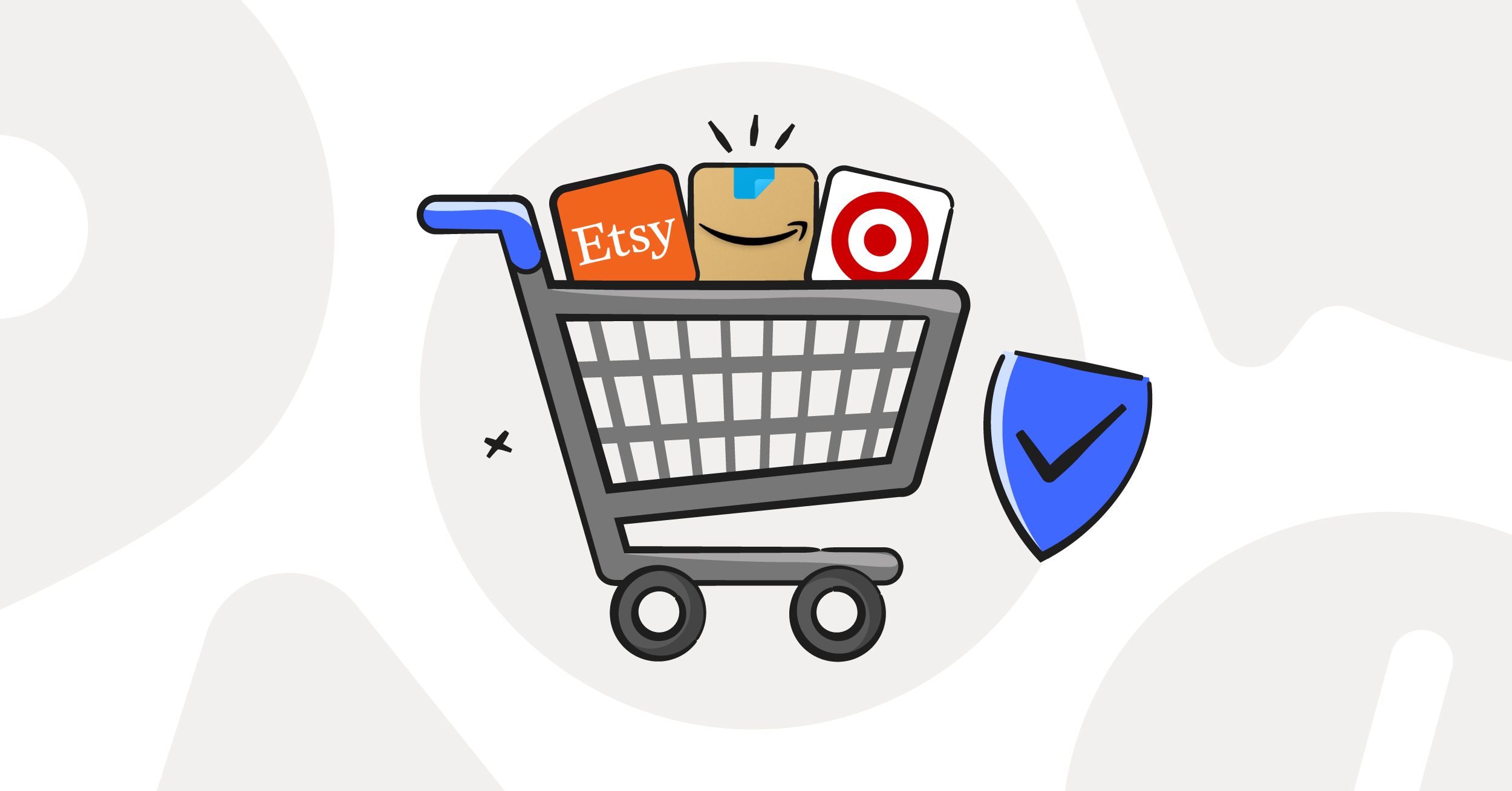
Holiday browsing can expose children to:
• Targeted ads that shape their desires and expectations
• Manipulative “suggested items” designed to increase impulsive wants
• Data-tracking tools that gather information on family habits
• Unsafe user reviews containing inappropriate language or adult jokes
• Pressure to want expensive items just because an app promotes them
Another risk involves exposure to inappropriate or misleading content. Not all online stores are child-friendly. Some advertisements may promote unsuitable products, exaggerated claims, or hidden costs. Without guidance, children may struggle to tell the difference between genuine offers and deceptive marketing tactics.
Online privacy and safety are also major issues. Many festive sites request personal information, such as names, addresses, or email details, to join games, contests, or giveaways. Children may unknowingly share sensitive data, putting them at risk of scams or identity misuse.
Kids may begin believing they need certain holiday items to “fit in,” even when those products don’t match their real interests.
• Guide kids when exploring online wishlists.
• Discuss how ads influence desire by showing “popular” items.
• Help them design a realistic wishlist that isn’t driven by targeted content.
• Choose apps with kid-friendly privacy settings or supervised modes.
Additionally, festive shopping platforms often encourage in-app purchases and digital rewards. Games, bonus points, or “free” items may require real money or subscriptions. Without adult supervision, children may click through these options without fully understanding the terms.
Guidance from parents or guardians helps children develop smart digital habits. By browsing together, setting clear rules, and explaining how online shopping works, adults can teach children to recognize safe websites, avoid suspicious links, and make responsible choices.
Holiday gift browsing can teach kids about budgeting, needs vs wants, and digital influence. With guidance, they learn not just what gifts they want—but why they want them.
 Like
0
Like
0
 Dislike
0
Dislike
0
 Love
0
Love
0
 Funny
0
Funny
0
 Angry
0
Angry
0
 Sad
0
Sad
0
 Wow
0
Wow
0