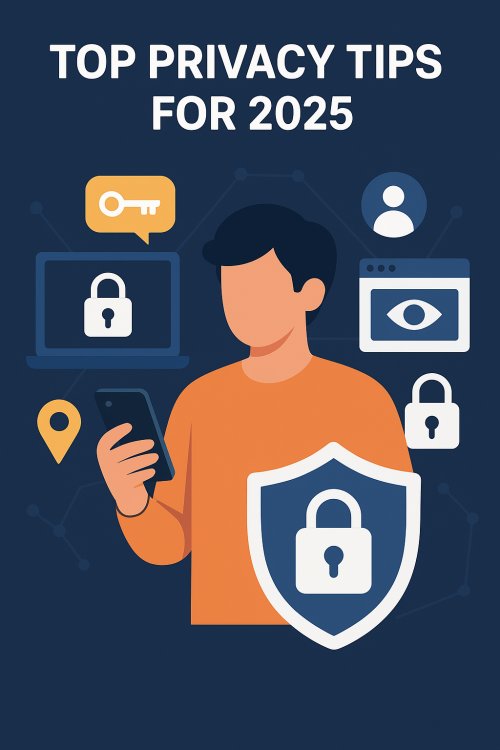

One of the most significant concerns is digital identity and data privacy. Children today create digital footprints at younger ages than ever before. School portals, educational apps, and entertainment platforms often require personal data such as full names, birthdays, photos, and location information. Over time, this information can accumulate into detailed online profiles. If mishandled or leaked, it can expose children to identity theft or long-term privacy risks. Parents should regularly review privacy settings, minimize the amount of personal data shared, and teach children to question why an app needs certain information before granting access.
Another growing issue in 2026 is AI-driven scams and impersonation. Cybercriminals now use artificial intelligence to create convincing fake messages, voice clips, and even video impersonations. A child might receive a voice note that sounds like a friend asking for login details or in-game currency, or a realistic message pretending to be from a teacher or school. Because these scams can appear highly authentic, parents must emphasize verification habits—double-checking requests through another communication channel and teaching children never to share passwords, verification codes, or personal details without adult approval.
Online gaming and virtual spaces continue to be popular among children, but they also introduce risks. Many games now include live chat, voice communication, virtual marketplaces, and digital currencies. While these features encourage social interaction and creativity, they can also expose kids to strangers, inappropriate content, or financial manipulation through microtransactions. Parents should enable parental controls, monitor friend lists, and set spending limits. More importantly, children should understand the real-world value of digital purchases and the importance of not trading or gifting virtual items to unknown users.
Social media and content platforms remain central to children’s online lives. In 2026, short-form video platforms, livestreaming, and algorithm-driven feeds are even more personalized and immersive. While these spaces can foster creativity and connection, they also increase exposure to cyberbullying, oversharing, and harmful trends. Parents should talk openly about respectful communication, the permanence of online posts, and the emotional effects of public comments. Encouraging children to pause before posting and to report abusive behavior helps build digital resilience.
Another area parents should watch is smart devices and the Internet of Things (IoT). Many households now include smart speakers, wearable devices, connected toys, and home security systems. These devices collect and transmit data continuously, sometimes with weak default security settings. Parents should change default passwords, update firmware regularly, and disable unnecessary data collection features. Teaching children not to share personal information with voice assistants or interactive toys is equally important.
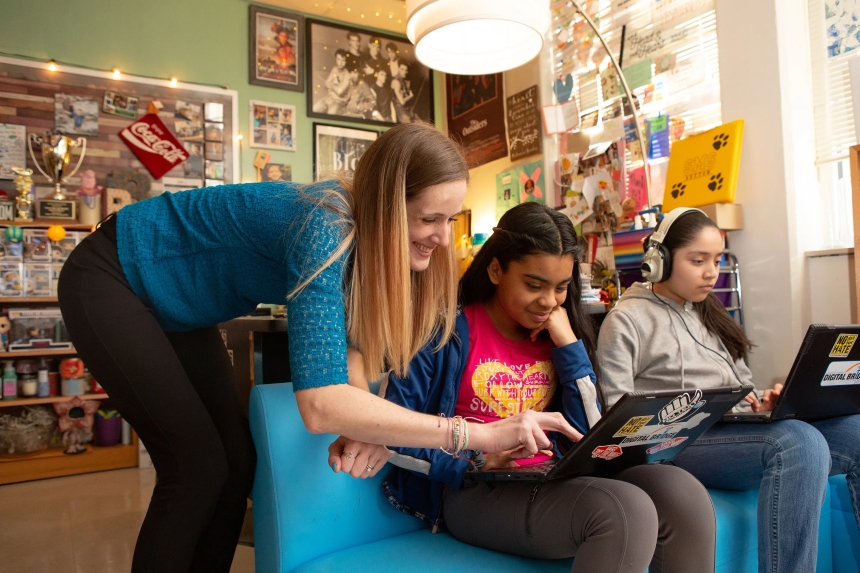
School technology and remote learning tools also present cybersecurity considerations. Educational platforms often store student records, grades, and communication logs. Parents should ensure that schools use secure systems and should encourage children to log out of shared devices, use strong passwords, and avoid downloading unauthorized software. A simple habit like locking a screen when stepping away from a computer can prevent unauthorized access.
Equally vital is password hygiene and account security. In 2026, many children manage multiple online accounts for school, games, and social platforms. Reusing simple passwords across accounts increases vulnerability. Parents can help children create strong, unique passwords and introduce password managers or passphrases that are easier to remember yet difficult to guess. Enabling multi-factor authentication (MFA) wherever possible adds an extra layer of protection.
Beyond technical safeguards, the most effective defense remains open communication and digital literacy. Children are more likely to report suspicious messages, bullying, or accidental mistakes when they know they will not be punished for being honest. Regular conversations about online experiences—what they watch, who they talk to, and what apps they use—help parents stay informed without invading privacy. Teaching critical thinking skills enables children to question unfamiliar links, offers that seem too good to be true, or requests for personal information.

Finally, parents should remember that cybersecurity is not about fear but about empowerment and balance. The goal is not to eliminate technology from children’s lives but to guide them toward safe and responsible use. By combining practical tools like parental controls and privacy settings with education, trust, and consistent dialogue, families can create a safer digital environment. In 2026, raising cyber-aware children means equipping them with the knowledge and confidence to navigate the online world wisely—today and in the years ahead.
 Like
0
Like
0
 Dislike
0
Dislike
0
 Love
0
Love
0
 Funny
0
Funny
0
 Angry
0
Angry
0
 Sad
0
Sad
0
 Wow
0
Wow
0