In today’s connected world, kids spend more time online than ever before. From streaming videos to playing games and chatting with...
Cybersecurity threats can be daunting, but understanding and preparing against them is essential for today’s digital citizens, bus...
Numerous laws in the U.S. cover the Internet, data security, and privacy in the United States, with the 1974 Privacy Act arguably ...
A Zero-Day Vulnerability is a software security flaw that is unknown to the vendor and for which no patch or fix exists. The term ...
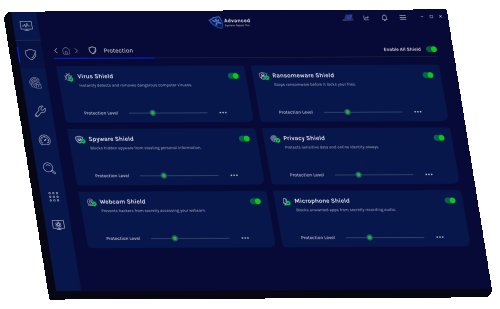
As threats to computer performance and security become more advanced, hundreds of system repair tools are being produced. Advanced...
Surfing the Web or transacting on an unsecured Wi-Fi network means you’re placing your private information and anonymity at risk. ...
Using a Virtual Private Network (VPN) is one of the most effective ways to protect your online privacy. A VPN encrypts your intern...
Your digital identity is the collection of data that defines who you are online — from your email address and social media profile...
Constant browser tracking allows advertisers and data brokers to monitor your online habits, often without consent. Limiting track...
Encrypted messaging apps protect conversations from eavesdropping and hacking, but users must remain vigilant about metadata, devi...
Leaving location services always on can expose your movements to apps, advertisers, and even criminals. While necessary for naviga...
Posting personal information publicly may seem harmless, but it exposes you to identity theft, scams, and digital profiling. Real-...