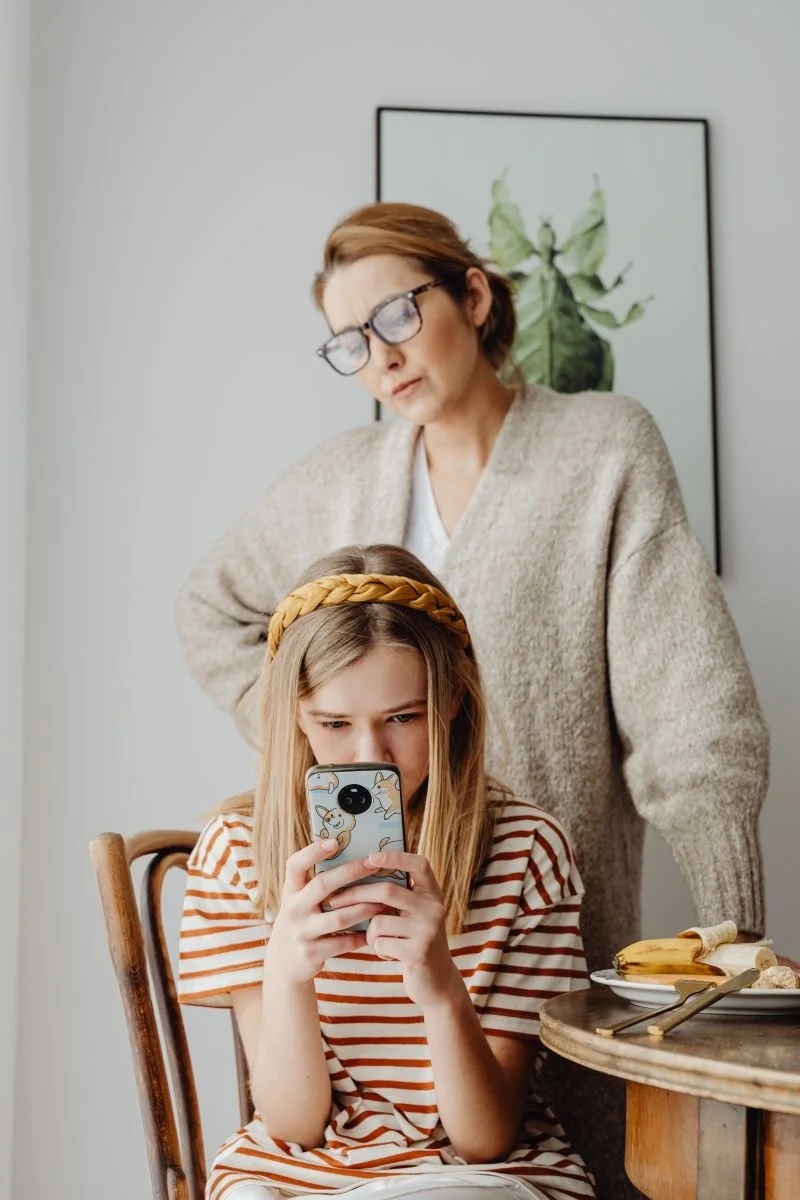

Comment sections are a ubiquitous part of online content, from social media posts to videos and news articles. While they allow for discussion and interaction, these spaces can expose children to harmful commentary. Young users, whose social and emotional skills are still developing, may interpret harsh criticism or bullying as a reflection of their own worth. This exposure can subtly influence their self-esteem, emotional resilience, and even social behavior over time.
How Online Reactions Shape Children’s Mood and Self-Perception
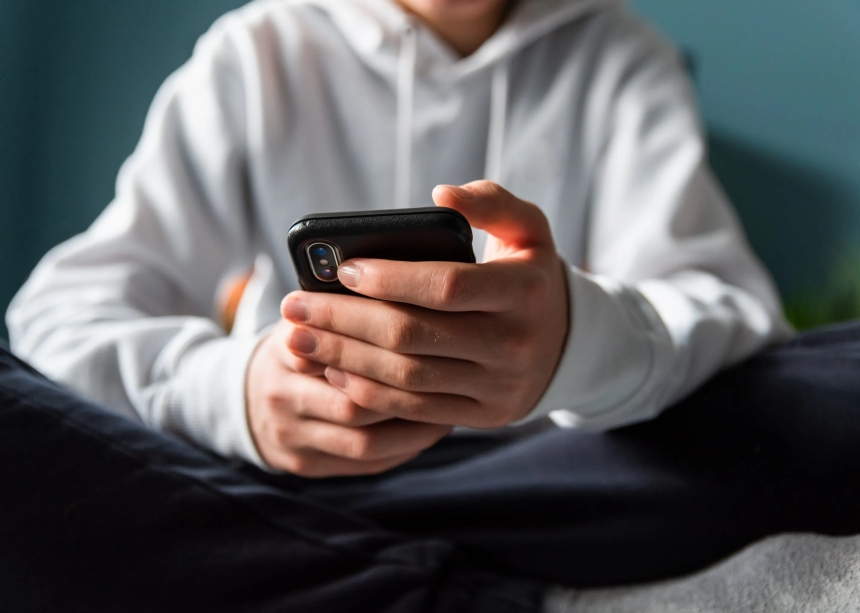
Kids love sharing creations—drawings, photos, videos, and builds from games. Posting online feels rewarding, especially when others respond. But open comment sections can expose them to harsh criticism, sarcasm, or dismissive remarks that may deeply affect their confidence.
Even neutral or mild comments can stick with kids longer than expected.
Beyond overt negativity, comment sections can also expose children to misinformation, inappropriate language, and harmful opinions. Children may internalize biased or misleading content without the critical thinking skills necessary to evaluate it properly. The cumulative effect of repeated exposure can shape how they perceive social norms, influence their attitudes toward peers, and affect decision-making in both online and offline contexts.
Parents and educators play a crucial role in mitigating the potential harms of comment sections. Monitoring online activity, discussing the nature of online interactions, and teaching children to critically evaluate the content they encounter can help reduce negative impacts. Some platforms also offer comment moderation tools or restricted comment sections that allow for safer engagement with content.
Why Comment Sections Carry Emotional Weight
Unfiltered reactions can lead to:
Sudden drops in self-esteem
Overthinking harmless comments
Fear of posting again
Dependence on positive feedback
Kids may measure their creativity based on strangers’ reactions rather than their own joy.
How Parents Can Support Emotionally Safe Posting
You don’t need to censor—just guide.
Recommend posting in controlled spaces. Private groups or family-only channels reduce risk.
Talk about online tone. Explain how comments can sound harsher than intended.
Praise the effort, not the response. Celebrate the creation itself.
Encourage breaks after posting. Kids don’t need to monitor reactions constantly.
Helping Kids Build Healthy Creative Confidence
When kids learn not to tie their worth to online comments, they grow stronger creatively and emotionally. They discover that self-expression is valuable even without public approval.
 Like
0
Like
0
 Dislike
0
Dislike
0
 Love
0
Love
0
 Funny
0
Funny
0
 Angry
0
Angry
0
 Sad
0
Sad
0
 Wow
0
Wow
0