
One of the most important aspects of cybersecurity awareness is understanding personal information protection. Students often share details online without realizing how valuable that information can be. Full names, birthdays, school names, addresses, and even daily routines can be misused if they fall into the wrong hands. Learning to limit what is shared publicly and adjusting privacy settings on social media accounts are simple but powerful steps toward online safety. A good rule of thumb is: if the information would not be shared with a stranger in person, it should not be shared online either.

Strong passwords and account security are another foundational element. Many students reuse the same password across multiple platforms because it is easier to remember. However, this habit increases vulnerability—if one account is compromised, others can quickly follow. Students should be encouraged to create unique passwords or passphrases that combine letters, numbers, and symbols. Enabling multi-factor authentication (MFA) wherever possible adds an extra layer of defense by requiring a second verification step beyond the password.
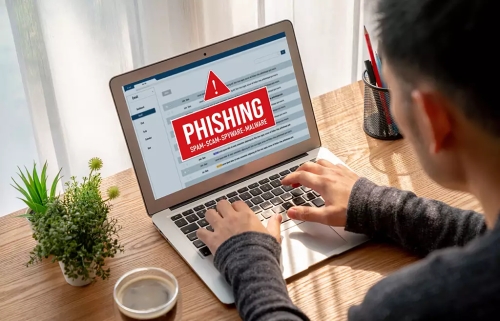
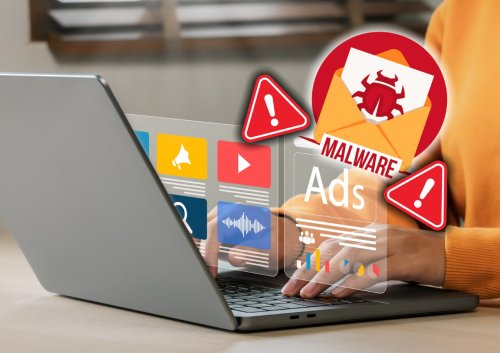
Students must also be aware of phishing and online scams. These attacks often come in the form of emails, direct messages, or pop-ups that appear urgent or exciting—such as winning a prize, receiving free game credits, or being asked to verify an account immediately. The goal is usually to trick the user into clicking malicious links or revealing login credentials. Recognizing warning signs, such as suspicious sender addresses, spelling errors, or unusual requests for personal information, can prevent many security incidents. When in doubt, students should verify messages with a teacher, parent, or trusted adult.
Another major area of concern is social media behavior and digital reputation. What students post online can remain accessible for years, even if deleted later. Photos, comments, and videos can be copied, shared, or misinterpreted. Practicing respectful communication, thinking before posting, and avoiding oversharing help protect both personal safety and future opportunities. Colleges and employers increasingly review digital footprints, making responsible online behavior an investment in long-term success.
Cyberbullying and online harassment are also closely tied to cybersecurity awareness. Students should understand how to block, mute, and report abusive users, as well as the importance of not engaging in harmful exchanges. Equally important is knowing when to seek help. Reporting incidents to school authorities or guardians is not a sign of weakness but a step toward maintaining a safe digital environment for everyone.
Technology used for education—such as school portals, shared computers, and collaboration platforms—introduces additional responsibilities. Students should learn safe device practices, including logging out of accounts on shared devices, avoiding unknown downloads, and keeping software updated. Regular updates often include security patches that protect against newly discovered vulnerabilities. Simple habits, such as locking screens and not sharing devices casually, can significantly reduce risks.
In recent years, emerging technologies like artificial intelligence, virtual reality, and connected devices have introduced new cybersecurity considerations. Students may interact with AI chat tools, smart assistants, or wearable technology that collects personal data. Understanding what data is being collected, how it is used, and how to manage permissions empowers students to make informed digital decisions. Awareness of deepfakes and AI-generated misinformation is also increasingly important, as not all online content can be trusted at face value.
Ultimately, cybersecurity awareness is about building critical thinking and responsible habits, not creating fear. Students who understand online risks are better equipped to enjoy the benefits of technology while minimizing harm. Schools and families share the responsibility of providing guidance, education, and open communication. Encouraging questions, discussing online experiences, and practicing safe behaviors together create a supportive environment where students feel confident navigating the digital world.
By developing cybersecurity awareness early, students gain skills that extend beyond the classroom. They learn how to protect their identities, respect others online, and make thoughtful digital choices. In a world where the internet is woven into nearly every aspect of life, these skills are not just technical—they are essential for personal growth, safety, and future success.