Every day, millions of people unknowingly leave traces of their personal information scattered across the internet. From signing up for an app to shopping online or posting on social media, your digital identity is constantly being collected, stored, and—sometimes—stolen.
Identity theft has evolved into a multi-billion-dollar criminal industry. In the modern digital world, your identity is more valuable than cash, and once stolen, it can be used for fraud, impersonation, loan applications, credit card scams, and even crimes you didn’t commit.
In this comprehensive guide, we break down how identity theft works, why it’s increasing, and what you can do to stay protected.
Identity theft happens when someone uses your personal or financial information without your permission.
This may include:
Once attackers obtain any of these, they can impersonate you, steal money, damage your credit, or commit fraud under your name.
Identity theft has surged globally, primarily due to:
Companies are hacked daily. Banks, hospitals, schools, tech companies—no sector is safe.
When databases leak, millions of personal records end up for sale on the dark web.
Every personal detail you post can help scammers build a complete identity profile.
AI can create:
These tools make scams more believable than ever.
Banking, shopping, healthcare—everything is digital now. The more accounts you create, the more entry points attackers have.
Fake emails, SMS, or social media messages that mimic trusted companies.
Example:
“Your account is locked. Click here to verify your identity.”
These lead to fake login pages designed to steal passwords or OTPs.
When a company suffers a breach, your information might be exposed even if you did nothing wrong.
Attackers can collect:
And combine these to impersonate you.
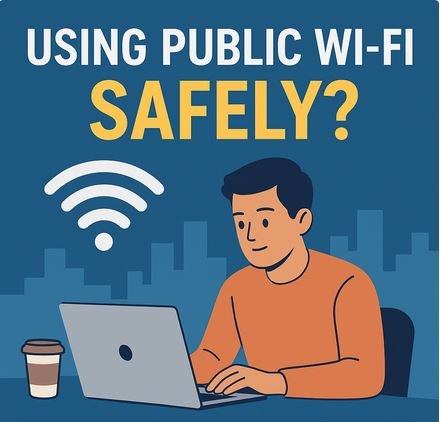
Public Wi-Fi networks are unsecured. Hackers can intercept:
Fake “free Wi-Fi” networks are even worse—they capture everything you do.
Hidden software can:
Some fraudulent apps disguise themselves as games or utility tools.
Attackers gather small pieces of information from:
Then impersonate you to banks, service providers, or even friends.
A criminal convinces your mobile provider to transfer your phone number to their SIM card.
Once they control your number, they can:
This expanded list provides deeper, more actionable steps:
Avoid using the same password on multiple sites.
Good practice:
Protects your accounts even if your password is stolen.
Best option:
🔐 Authenticator apps (Google Authenticator, Authy)
Not recommended:
❌ SMS codes (vulnerable to SIM swaps)
Search your name online regularly.
Use data-removal tools to opt out of data broker sites.
Hover over links before clicking.
If it feels urgent, emotional, or threatening, it’s probably a scam.
These “social logins” expose your identity across multiple platforms.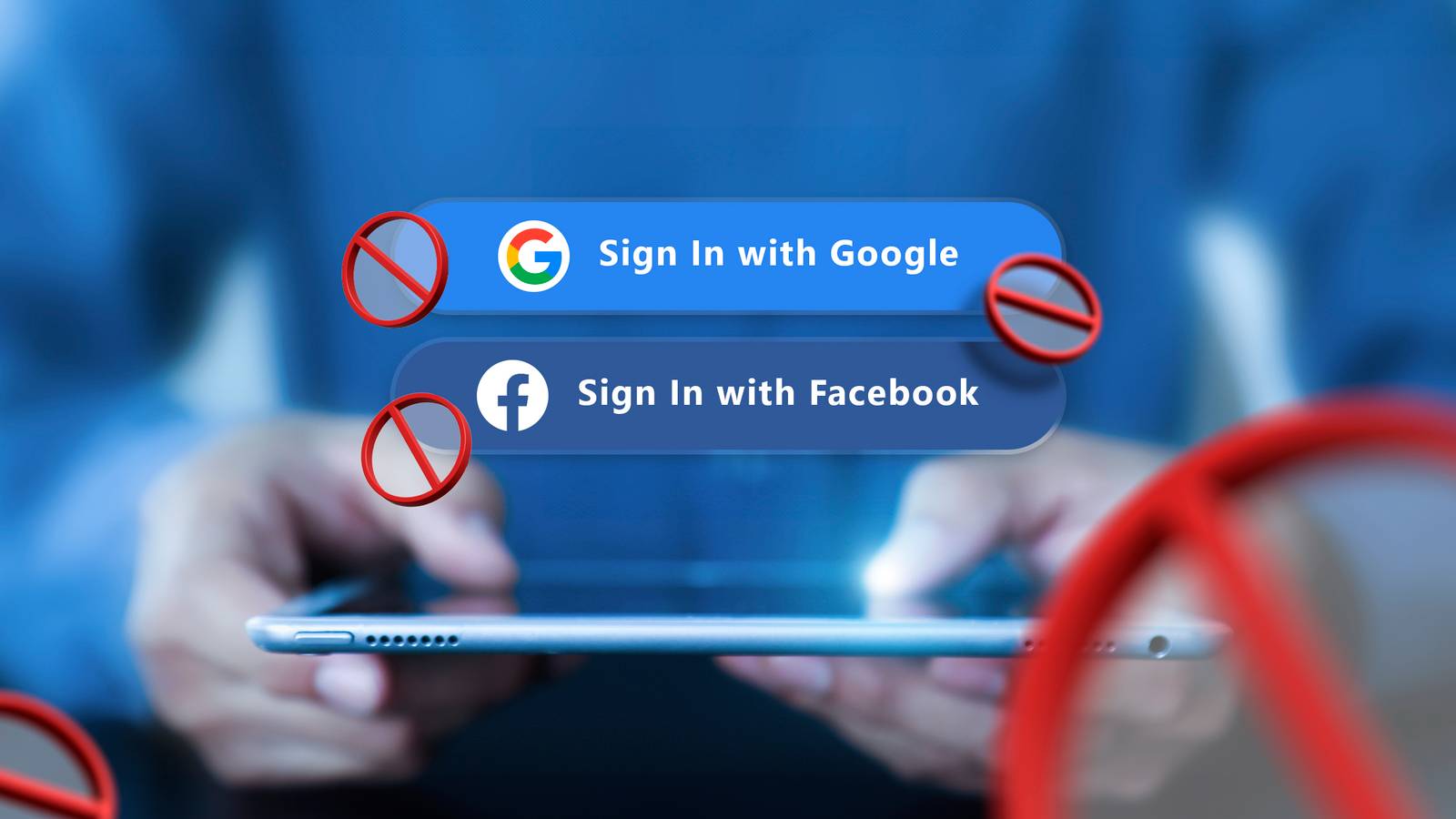
Never share:
Oversharing fuels social engineering attacks.
Use:
Your home router is your first line of defense.
Hides your IP address and encrypts your connection—especially important when traveling or using cafés, hotels, and airports.
Early detection prevents major damage.
Anti-malware and security apps help detect harmful applications before they steal your data.
If you see any of these signs, act immediately.
Prioritize email, banking, and social media.
Freeze your accounts and debit/credit cards.
Your local cybercrime unit can trace fraudulent activity.
Hackers may impersonate you to scam others.
Identity protection isn’t something you do once—it’s an ongoing practice.
Every new app you download, every website you visit, and every account you create adds to your digital identity.
The key is awareness, prevention, and early detection.
 Like
0
Like
0
 Dislike
0
Dislike
0
 Love
0
Love
0
 Funny
0
Funny
0
 Angry
0
Angry
0
 Sad
0
Sad
0
 Wow
0
Wow
0