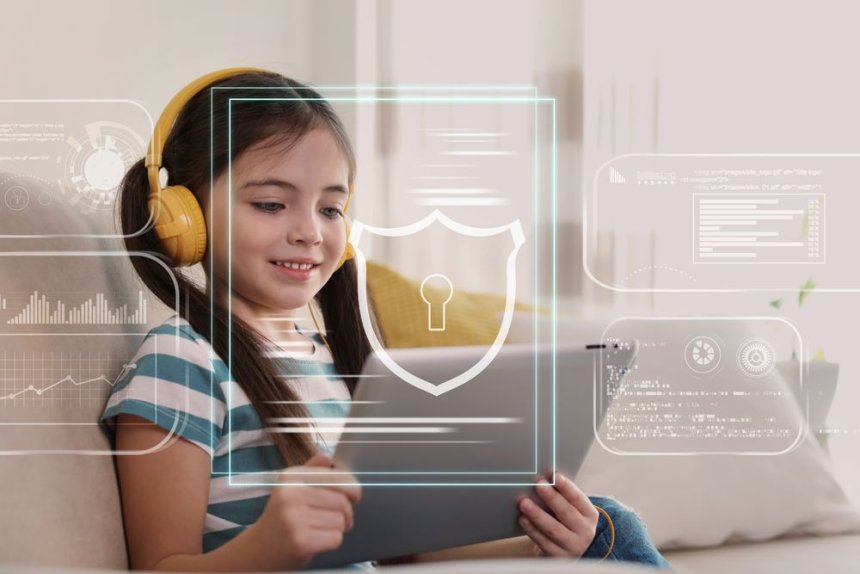

Technology itself is neither inherently good nor bad; it’s a powerful tool that can enrich lives or complicate them depending on how it’s used. The goal isn’t perfection, and it certainly isn’t complete avoidance. The challenge is finding balance amplifying the benefits while reducing the risks in a way that honors our children’s needs and preserves the connection that matters most.
Before diving into the effects, let’s remember what’s at stake. Childhood isn’t just a set of milestones; it’s a rich process of growing cognitively, emotionally, socially, and physically. Technology interacts with every one of these areas. For instance:
These contrasts remind us why nuanced conversations matter. Technology isn’t one thing, it's a spectrum. The outcome depends on how we guide, model, and partner with our kids.
When used thoughtfully, technology can extend learning far beyond the classroom and spark genuine curiosity, especially when children are guided to see the positives in screen time. Educational apps, virtual tours, and interactive platforms can make complex ideas feel engaging and fun. A child interested in dinosaurs, for example, can:
These experiences do more than transfer facts; they nurture persistence, problem-solving, and creativity. When parents join in asking questions or sharing excitement they turn screens into a bridge between the digital and physical worlds, making learning active and connected.
Screens aren’t only for consuming content they can be powerful tools for making, creating, and sharing ideas. Many children use digital platforms to explore their imagination in ways that build confidence and problem-solving skills. With the right support, kids can:
These creative outlets help children develop a sense of identity and agency. When parents show interest by asking, “How did you make that?” instead of critiquing we validate their effort and reinforce the idea that technology can be a tool for expression, not just entertainment.
For many children, friendships and connections now exist both offline and online. Digital spaces can provide a sense of belonging especially when physical interactions are limited. Technology can help kids:
These interactions can strengthen social bonds and reduce isolation when guided thoughtfully. Instead of dismissing online friendships, parents can ask questions like, “Who do you enjoy talking to the most?” This keeps communication open and helps children feel supported in both their digital and real-world relationships.
The world our kids are growing in demands digital literacy alongside traditional learning. Knowing how to use technology responsibly is as important as reading and writing. With early guidance, children can:
When parents model these habits asking questions like, “Who created this and why?” children learn that technology is not just for entertainment but a tool for problem-solving, creativity, and communication. These future-ready skills empower kids to navigate the digital world with confidence and integrity.
How do we embrace technology’s benefits while reducing its risks without parenting from fear? The key is connection.
This approach replaces control with collaboration, helping children build skills and responsibility while preserving your relationship.
Technology will always evolve. But what steadies children is not a perfect set of screen-time rules, it's the secure bond with a parent who listens, leads, and learns alongside them. By balancing the positive and negative effects of technology on child development, we create space for what really matters: relationships, resilience, and readiness for a complex world.
Screens will always be part of our children’s lives. Let’s make sure love, laughter, and human connection remain the brightest lights in the room.

 Like
0
Like
0
 Dislike
0
Dislike
0
 Love
0
Love
0
 Funny
0
Funny
0
 Angry
0
Angry
0
 Sad
0
Sad
0
 Wow
0
Wow
0